Once upon a time, it was assumed that progressive voters, even if they were gritting their teeth, would fall behind Labor to block the Coalition and One Nation from winning power.

Mon 2 Nov 2026 08.14 AEDT
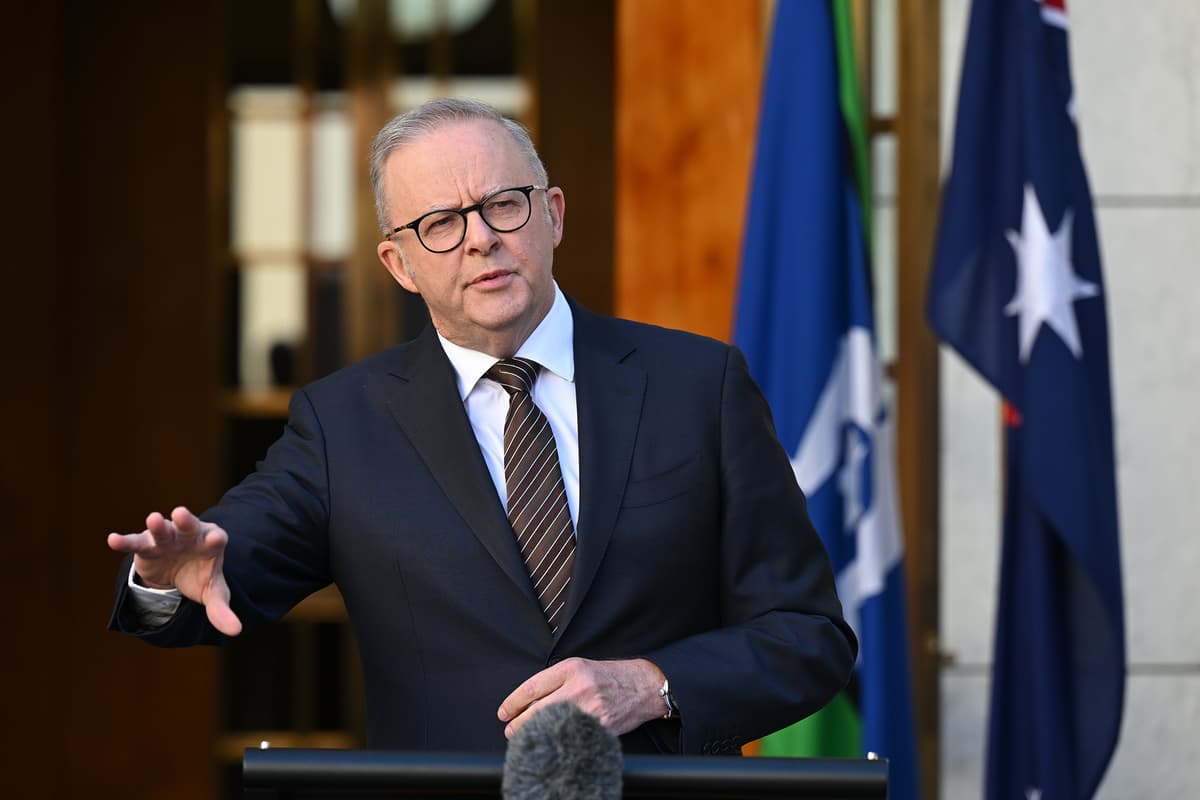
Albanese must realise he needs some Green voters if he is to beat the Coalition. Photo: AAP Image/Lukas Coch


Once upon a time, it was assumed that progressive voters, even if they were gritting their teeth, would fall behind Labor to block the Coalition and One Nation from winning power.
It seems a lifetime ago, but it was only a little over a year ago. Labor’s last election campaign – like the one before that, and the one before that – was that only a vote for Labor would stop the Coalition.
As One Nation began rising in the polls, the message switched to only a vote for Labor would keep the Coalition-One Nation parties, the “throup-a-lition” if you will, from winning government.
One Nation is now a legitimate electoral force. The only question left in Victoria is whether or not the Coalition governs in its own right or with One Nation (which hasn’t stopped Opposition Leader Jess Wilson from adopting increasingly conservative positions, including banning phrases like “globalise the Intifada” but not phrases like “Islam is a cancer”, for reasons she doesn’t care to explain). In NSW, the major parties are already spooked and that election isn’t until March.
While the impact of One Nation has focused on what will happen to the Liberals in Australia’s most populous state, most people forget that NSW Labor is already in minority and can’t exactly afford to lose any seats if it wants to retain power and, from there, workable pathways to passing legislation.
Then we get to the federal sphere, where Labor spends more time demonising the Greens then it does its official opposition and One Nation.
This is business as usual for Labor, at least since the mid to late-2000s, when it made the switch to wanting product differentiation from the Greens. That was later driven by Coalition electoral attacks, exploiting middle Australia’s then scepticism over any vaguely progressive-sounding policy.
The Coalition’s scare campaign worked so well with Labor that the party spent the next few decades acting as if working with the Greens would be the worst thing that could potentially ever happen to it.
This is ridiculous for many reasons, the main one being that for the most part, the Senate make-up means that both the Coalition and Labor work with the Greens all the time. But the Senate usually gets quarantined from these sorts of defensive messages.
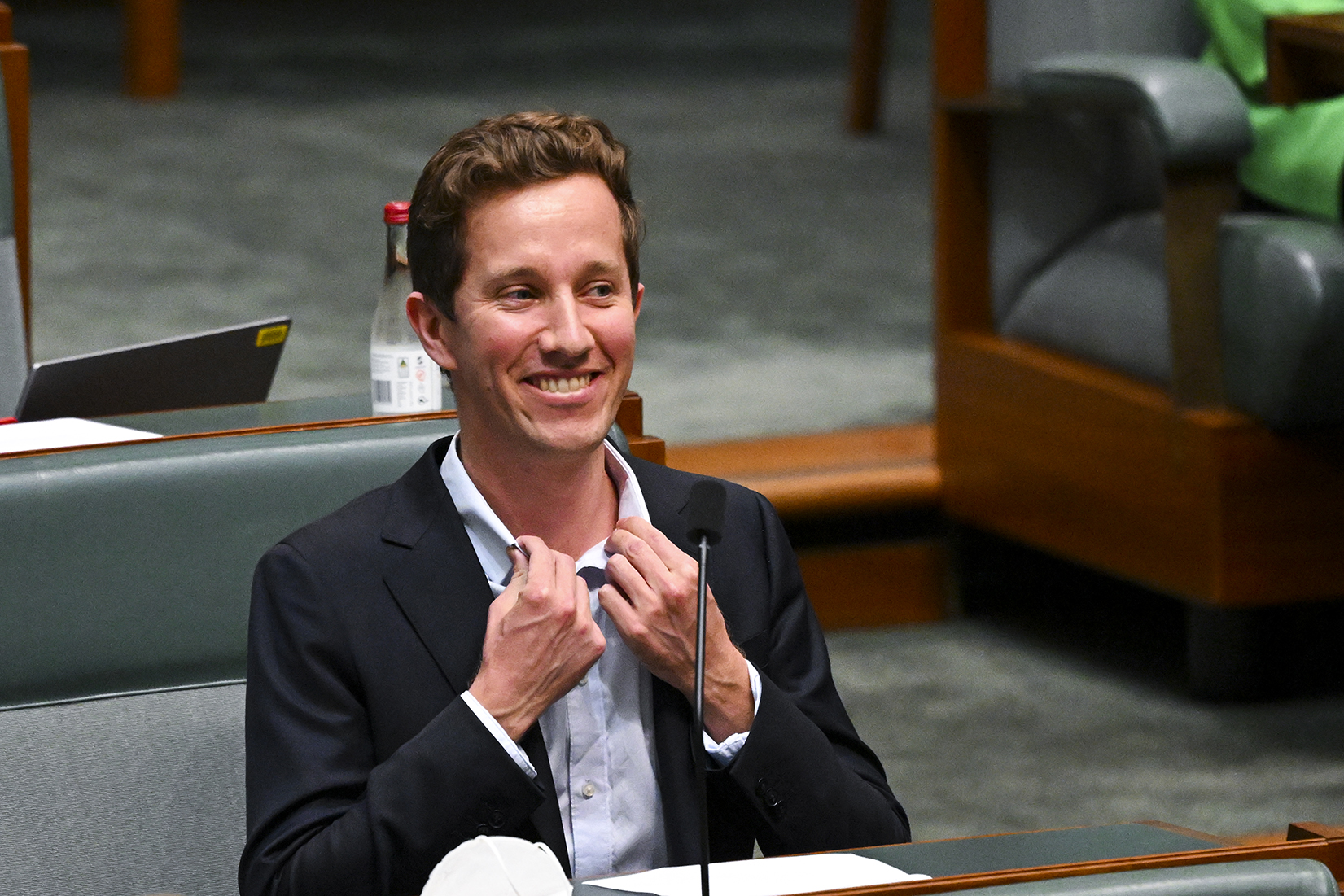
Labor spent more than $1m to unseat the Greens’ Max Chandler-Mather in Queensland. Photo: AAP Image/Lukas Coch
Quality research, analysis, explainers and factchecks from experts you can trust.
Labor fell into the habit of demonising the Greens as a matter of course. After successfully ousting Max Chandler-Mather (which came with a $1.3 million price tag as Paul Karp at Politico revealed, along with another $1.3 million spent in the nearby seat of Brisbane to unseat Stephen Bates), Anthony Albanese – primed from disagreements with Greens-aligned students at university – has largely continued the habit.
One wonders, at what point does senior Labor leadership remember that, to hold seats, Labor also needs to appeal to Greens voters?
And that Coalition-lite isn’t going to do it? Because the idea that progressive voters will continue to grit their teeth and vote Labor, after it was gifted a historic majority and, if it so wished, a progressive pathway in the Senate and to date has done the least possible it could with it is, frankly, a fairy tale.
Much like UK Labour did under Keir Starmer, Labor is now trying to shape two messages for voters. One – that a Coalition-One Nation government would be very bad for the country. And two – that no one can take the Greens seriously.
That may have worked for voters who were able to kid themselves that the bare minimum Labor had offered in its first term was hampered by a hostile opposition and threatening polls. Midway through this second one, there is no excuse.
Labor’s main focus is trying to win back those soft voters who have cleaved off to One Nation. But much like the UK Labour voters who began flirting with the Greens, it’s not so much other party policies that have voters looking elsewhere but that there is nothing to keep them with Labor.
While Labor could once pretend that voting for the Greens would mean the Coalition would come up the middle, it now has to find a way to convince voters looking elsewhere to put it higher than One Nation or the Coalition. The easiest way to do that, as the British party has done with some early success, is to actually appeal to voters by offering some product differentiation from, not just itself over the past 4½ years, but the Coalition, and start offering progressive policies and positions.
So far, Albanese’s Labor seems unable to get out of its own way. The Greens don’t need to replace Labor – if the party keeps going this way, it’ll do it itself.
Amy Remeikis is a contributing editor for The New Daily and chief political analyst for The Australia Institute
This piece was first published in The New Daily. Read the original piece here

