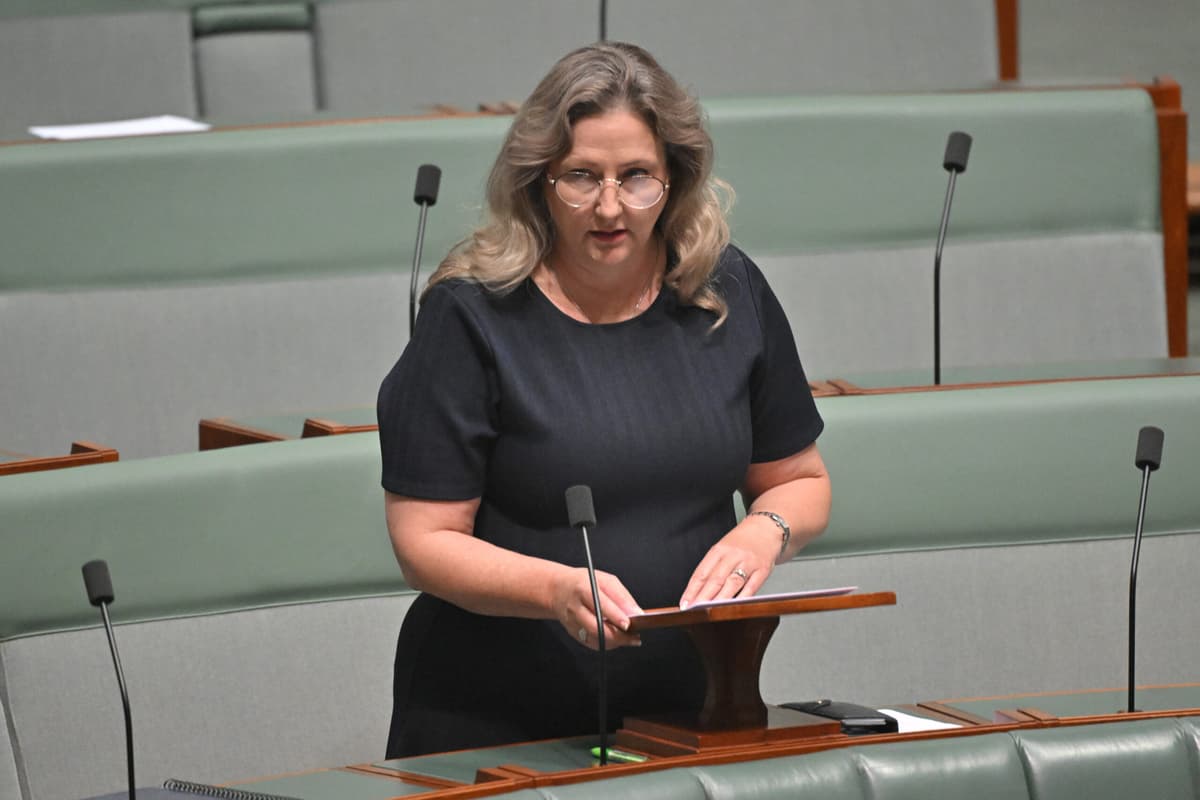
On 14 May 2026, Rebekha Sharkie, Member for Mayo, spoke to the House of Representatives about rural and regional access to healthcare:
“When we look at the health gap, regional Australians experience higher costs of health care and worse health outcomes than our metro counterparts…
In fact, the National Rural Health Alliance in 2021 saw that there was an $848 spend gap between a person who lives in regional Australia and a person who lives in metro Australia. Well, for the 2023-24 year, that’s blown out to over $1000 per person.
And what that means is that we die younger… It’s a postcode lottery.”
And Rebekha Sharkie is right: Australia Institute research has found that Medicare is failing regional and remote Australians, with rural people getting sicker and dying younger than their city counterparts.
But the rural heath divide is not an unavoidable geographical fact; it is the predicable and preventable result of bad health policy.
Medicare was built on the promise that access to healthcare in Australia would be universal. But unless Medicare is reformed, there will continue to be a rural health divide.
Verdict: True