Former Queensland Premier, Steven Miles has detailed how his government turned a record deficit during Covid into “the state’s biggest ever surplus”, while also sparing households from extra financial strain.
By Tegan George
Wed 29 Oct 2025 15.45 AEDT
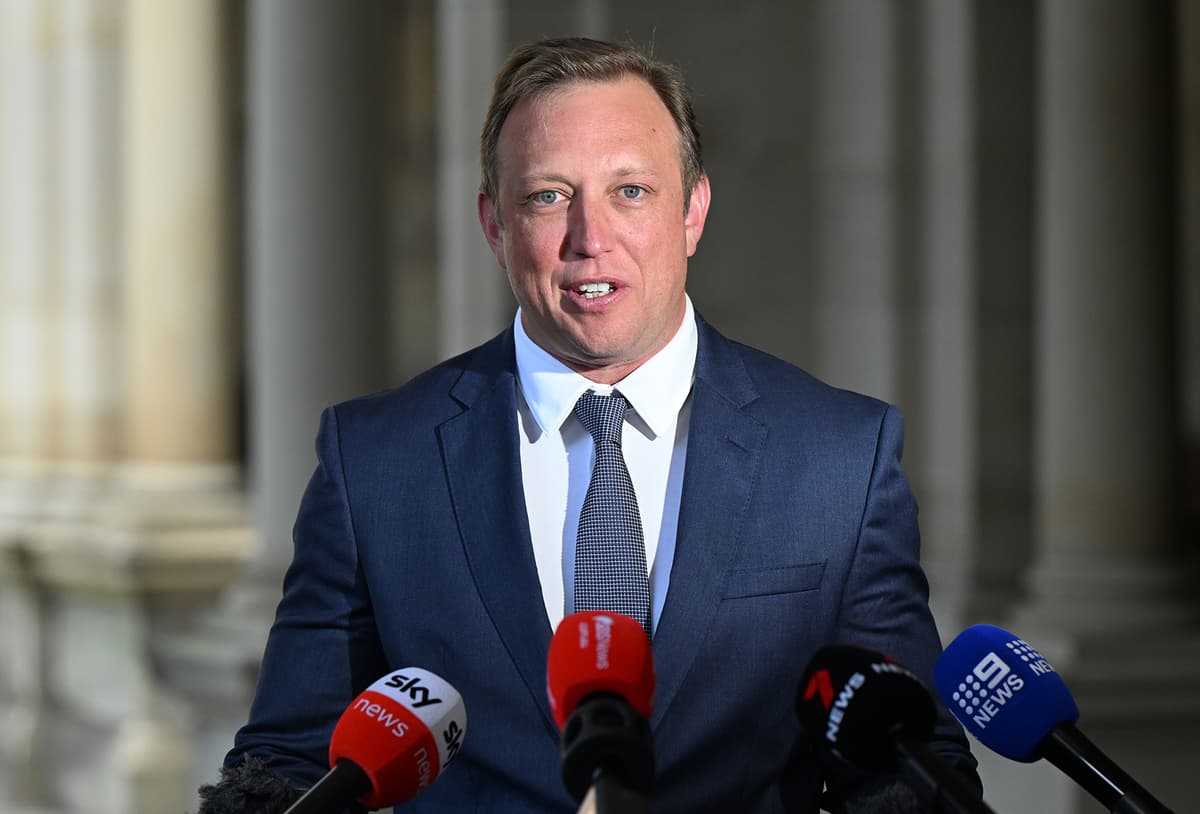
Photo: AAP Image/Darren England


In 2022, Queensland introduced “progressive coal royalties” which Mr Miles said meant, “the more money big international corporations made of our valuable and limited resources, the more money was returned to Queenslanders”.
In a pre-recorded address to the Australia Institute’s Revenue Summit in Canberra, Mr Miles said when energy prices “skyrocketed around the world … coal mining companies started reporting their largest profits ever”.
However, “those energy prices were being passed on to Queensland households. That wasn’t fair, if you ask me,” he said.
“Those multi-billion-dollar multinationals were doing very well from Queenslanders because ultimately Queensland’s resources belong to every single Queenslander.
“So, we did something about it.”
He said in its first year of implementation the new tax generated revenue worth $5.8 billion and in two years had brought in an extra $9.4 billion.
Mr Miles said it meant his government was able to, “deliver the biggest cost of living package in the country $1,000 electricity rebates for every household, 20% off car rego, 50 cent public transport fares everywhere.
“We funded free kindy for every four-year-old, we delivered $3.6 billion dollars for new and upgraded hospitals across regional Queensland, including a new hospital for the coal-mining community of Moranbah.”
The now Queensland Opposition Leader said while governments are often critiqued on expenditure, they need to equally be assessed on revenue generation.
However, the move “wasn’t without its challenges”.
Mr Miles said there was pushback and relentless campaigns from the companies … multi-million-dollar campaigns from the companies’ crying poor.”
Earlier at the Revenue Summit, the Australia Institute’s co-chief executive Richard Denniss said, “Australia, as one of the richest countries in the world, is so generous that we’ve actually decided to give away more than half of the gas we export for free.
“Australia is not a greedy country … It’s not that we won’t help our neighbors. We’re very happy to help Chevron. We’re very happy to help British Petroleum. We’re very happy to help the Norwegian gas industry.
“We give more than half of the gas we export away for free. Zero royalties paid. No gas exporter in Australia has paid a cent in petroleum resource rent tax, according to the ‘pinko lefties’ at the Australian Treasury.”
He said it’s time for governments to stop crying poor and hiding behind the excuse that “we can’t afford to have nice things”.
“Of course we can’t afford to have nice things, we just choose not to.”
Former Premier Miles said, “We stuck to our guns and took a stance. It paid off for Queenslanders and it continues to pay to this day.
“The pathway we took to deliver new revenue into the Queensland Budget is a lesson for other states in what can be done when you tune out the noise, when you focus on delivering for everyone.”

