“House prices have massively increased at a time when we’re building houses faster than the population is increasing.”
By Tegan George
Tue 28 Oct 2025 10.08 AEDT
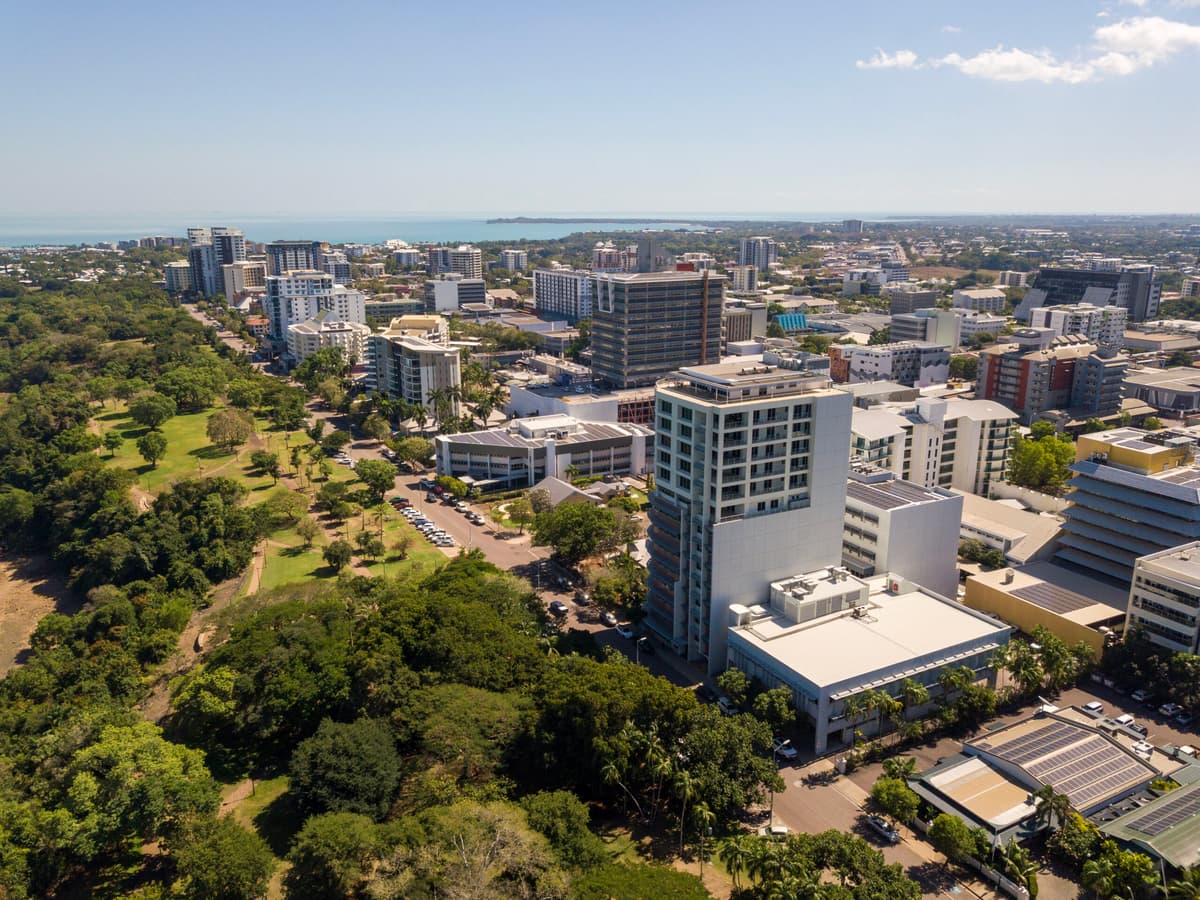
Photo: AAP Image/Jono Searle


A leading economist has dismissed government claims that a housing supply shortage is solely to blame for Australia’s affordability crisis.
Speaking at the Australia Institute’s Politics in the Pub, senior economist Matt Grudnoff said the argument most favoured by Australia’s politicians doesn’t pass the pub test.
“If you listened, particularly to federal politicians, you would think that the only problem with the housing market is supply, supply, supply.
“House prices have massively increased at a time when we’re building houses faster than the population is increasing.”
Mr Grudnoff said between 2001 and 2021, the population increased by 34 per cent but the number of dwellings increased by 39 per cent.
“Over that period house prices increased and fivefold”.
He said politicians continue to blame supply because it shifts responsibility onto state governments.
“Just to be super clear,” he said, “building more houses is part of the solution […] but certainly it is not a lack of housing that has caused this problem.”
Bill Code, the director of the new documentary Sold! Who Broke the Australian Dream?, agreed.
“It’s a nice thing for politicians on both sides of parliament to say we’re doing something […] they’ll talk about supply until they’re blue in the face and not necessarily be looking at other solutions.”
The issue, Mr Grudnoff believes, is on the demand side, in particular investor demand driven by the government’s 50 per cent capital gains tax discount which was introduced in 1999.
“It supercharged the perceived benefits of owning property,” said Mr Grudnoff, who supports axing the tax all together.
“We currently hand out $13 billion a year [in subsidies] to make housing less affordable.”
“All the incentives are there,” agreed Mr Code. “The levers are there. If you don’t do it, you’re an idiot in Australia.”
Mr Code said it became clear in production that changes to the capital gains tax triggered a cultural shift, prompting the documentary’s central question: “When did the great Australian dream go from owning your own home to owning someone else’s?”
“There’s got to be a limit,” he said. “At some point there’s probably too many [properties] you can have.
“When Covid was upon us and people were hoarding toilet paper, we didn’t applaud those people.”
Advertisement
One group, according to Mr Grudnoff, that isn’t clamouring to get into the property market – Australian governments.
“There are a lot of countries around the world that do housing badly. Australia is one of the best at doing housing badly.
“For some weird reason, the Government thinks housing is a terrible investment.
“They give money to the private sector to build housing that the private sector then keeps. If they built their own housing, they would have the asset that would go up in value.”
Both panellists called for Canberra to adopt a renewed role in housing and for the states and territories to focus on providing more public housing, not just social or affordable accommodation.
Economist Matt Grudnoff believes axing the capital gains tax would encourage Australians to consider alternative investments beyond property and the money the Government saves could be funnelled into more public housing instead.
“The housing market in Australia is an enormous behemoth that has massively distorted our economy.
“If everybody jumped into the stock market and the stock market became overvalued, we’d have an overvalued stock market but nobody would be homeless.
“There’s nothing wrong with investing and trying to make money and building a nest egg for retirement but there are lots of ways that don’t cause the kind of pain we’re seeing in the housing market at the moment.”
Advertisement

