The Greens, with the support of the Coalition, have established a Senate inquiry into the capital gains tax (CGT) discount. The CGT discount is an enormous tax concession that goes to people who buy investment properties.
Wed 5 Nov 2025 23.57 AEDT
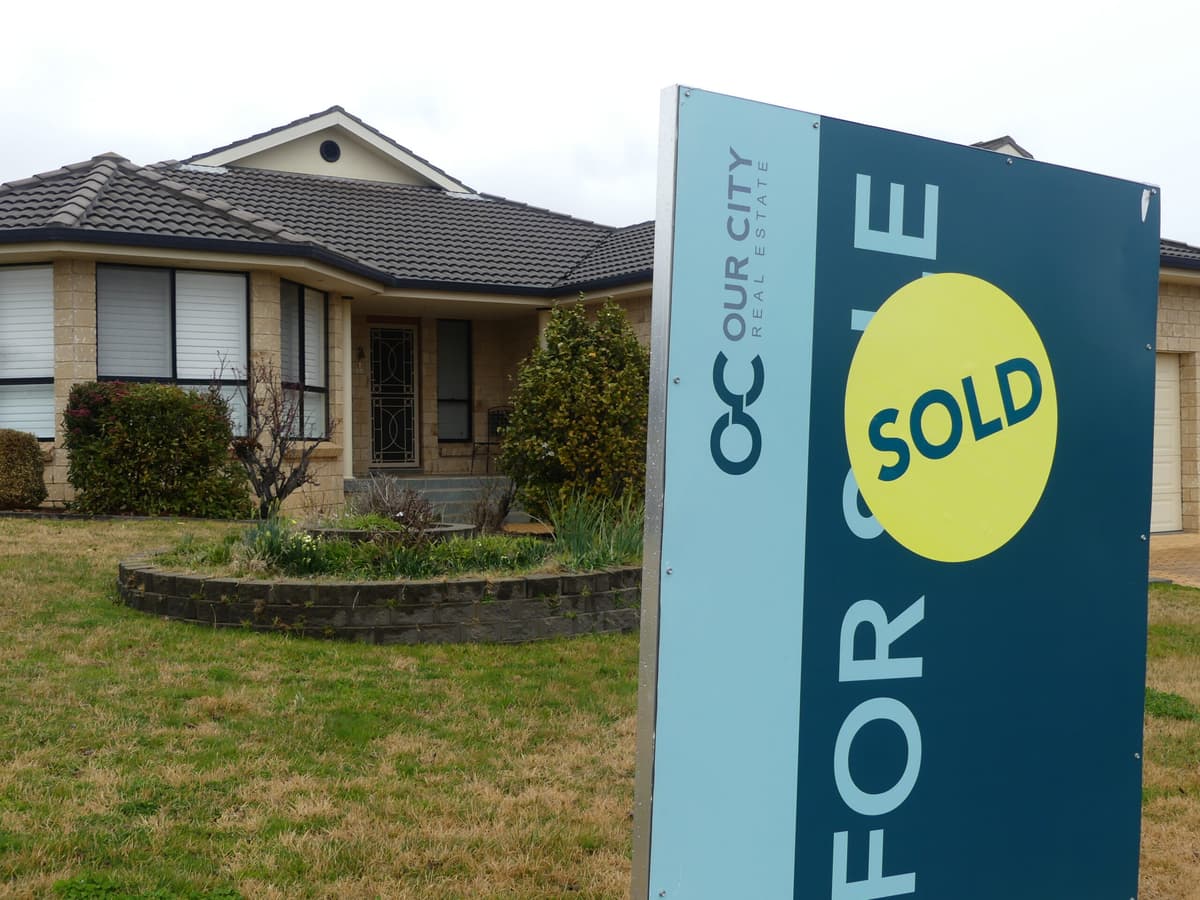
Photo: AAP Image/Stephanie Gardiner


Along with negative gearing, the CGT discount gives $13 billion a year to encourage speculators to bid up the price of housing.
In the case of housing, a capital gain is when someone sells their investment property for more than they bought it for. Normally that gain would be added to your income, and you would pay tax on it. But the CGT discount means you get half the capital gain tax free.
For example, if a high-income earner bought a house for $800,000 and four years later sold it for $1 million, they would have made a capital gain of $200,000. Without the CGT discount the whole $200,00 would be added to their income and they would pay tax on this. If we assume they pay the top tax rate (47%) then they would pay $94,000 of tax on that capital gain.
But the CGT discount means they get half the capital gain tax free. This means that they only pay tax on $100,000. If we again assume they are paying the top rate, then they would pay $47,000 in tax. This means the CGT discount has saved them $47,000.
The CGT discount encourages people to earn money through capital gains because they then pay a lot less tax.
For these capital gains to occur, house prices must keep rising and that is exactly what has happened since the CGT discount was introduced in 1999. House prices started rising rapidly after the CGT discount came in. The more house prices went up, the more these speculators made, and the bigger the tax concession they got from the CGT discount.
If the CGT discount was scrapped, this would discourage these speculators. They would stop showing up to auctions and outbidding first home buyers. More houses would be sold to people who want to live in them, and it would become more affordable.
But currently the Government is not keen on changing the CGT discount. They voted against the Senate inquiry. Labor hasn’t always been against changes to the CGT discount. They went to the 2016 and 2019 elections promising to reform it.
Rather than reform the CGT discount, the Government is keen to focus on housing supply. But it hasn’t been a lack of supply that caused house prices to soar. Over the last 10 years the population has increased by 36%. That means we would need to increase the number of dwellings by at least 36% just to keep up with the increase in population.
But over that same 10 years dwellings have increased by 39%. Dwellings have been increasing faster than the population.
Just to be clear, building more dwellings will help make housing more affordable and all levels of government should work to make this happen. But trying to outbuild the speculators is the slowest and most expensive way of making housing more affordable.
It’s also important to realise that building housing is a state and local issue. The federal government can give the states more money to build housing, but it is state and local government that have all the planning and approval powers.
So, when you hear the Federal Minister for Housing say it’s all about supply, supply, supply, she is really saying it’s not my problem.
What the federal government does have control over are the very tax concessions driving up house prices. Not only would reforming them get more people into their own home, but it would also raise billions of dollars because speculators would have to pay more tax. This money could be used to build more public housing, adding to supply and making housing even more affordable.
This inquiry into the CGT discount will help shine a light on the real driver of expensive housing. Hopefully it will push the government into real reform, and we will see housing truly become more affordable.

