Public education advocate Jane Caro has warned Australia’s education system is on a ‘disastrous’ path, arguing the nation’s school funding system is driving growing inequality and segregation. Ms Caro said successive governments had spent decades 'turbocharging' the divide between advantaged and disadvantaged students.
By Tegan George
Thu 18 Jun 2026 11.19 AEST
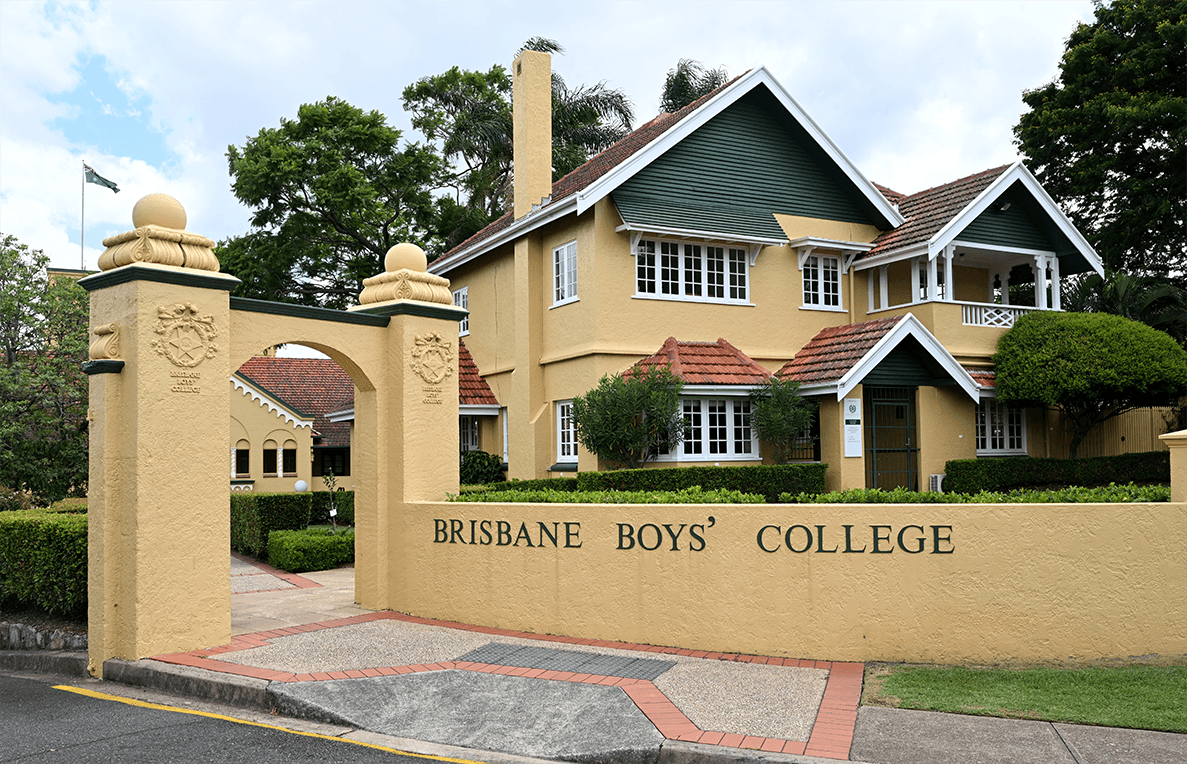
Photo: AAP Image/Darren England


Public education advocate Jane Caro has warned Australia’s education system is on a ‘disastrous’ path, arguing the nation’s school funding system is driving growing inequality and segregation.
Speaking at the Australia Institute’s Politics in the Pub event in Canberra, where she discussed her essay Rich Kid, Poor Kid: The Battle for Public Education, Ms Caro said successive governments had spent decades ‘turbocharging’ the divide between advantaged and disadvantaged students.
“It’s really been going on for half a century, I think — a quiet move by those who drank the neoliberal Kool-Aid, which unfortunately includes both our major political parties,” she said.
“What we’ve been watching is really pretty deliberate public policy to move the cost of education from governments to parents.”
She described growing inequality as ‘the elephant in the classroom’.
All schools in Australia — both public and private — receive taxpayer funding from federal and state governments.
The amount a private school receives depends in part on how much the government believes its families can afford to contribute through fees.
The author and columnist argued that the approach inevitably widens inequality because wealthier families can supplement public funding with additional fees, allowing some schools to access far greater resources than others.
“Most countries still use their education funding to at least try to narrow these differences. We gave that up a long time ago,” she told the audience.
“We are turbocharging those differences.”
Research by the Australia Institute earlier this year found Australia is the most expensive place in the developed world for families to send a child to high school.
“They pay almost four times the average per year as other countries in the OECD,” Ms Caro said.
“That is entirely due to the preponderance of private schools, publicly subsidised private schools charging unregulated fees.
“The public subsidy of private supply is almost always inflationary unless you cap the fees, the private supply charge in return for the subsidy.”
The Walkley Award-winner said the growing reliance on public funding undermined claims that many private schools were truly independent.
“How can you be independent? You are getting, in some cases, as much public funding as the public school down the road,” she asked.
“You are not independent schools. You are publicly subsidised private schools,” she said.
More than 40 per cent of Australian high school students now attend private schools, and if current trends continue, private enrolments could outnumber public enrolments by 2055.
According to Ms Caro, Australia has effectively created two taxpayer-funded education systems.
“One with all the rights — the rights to pick and choose what kids they’ll educate and won’t educate, pick and choose where they will open schools, where they won’t, what fees they’ll charge,” she said.
“We’ve got another publicly subsidised system with all the responsibilities.”
Ms Caro said most private schools were funded above their Schooling Resource Standard — the amount governments consider necessary for a school to adequately educate its students.
By contrast, she said almost every public school remained below that benchmark.
“We now have increasing concentrations of disadvantaged kids in disadvantaged schools and advantaged kids in advantaged schools,” she said.
“The OECD is constantly warning us … saying we now have one of the most segregated by social class education systems in the OECD.”
She warned that the current system was “unsustainable”.
“If we keep going the way we’re going, well, it’s disastrous,” she said.
Advertisement