The Greens are pushing for a Senate inquiry into the fossil fuel industry’s influence on children, after a landmark investigation found coal, oil and gas companies are involved in more than 260 education initiatives and sponsorships.
The report, ‘From Cradle to Career’, by climate communications group Comms Declare, found the industry had invested tens of millions of dollars in activities that potentially reach millions of Australian children through early learning programs, museums, science centres, sporting clubs and scholarships.
“Children should be able to learn, play and grow without being exposed to coal and gas marketing,” said Comms Declare founder Belinda Noble.
The Australian-first investigation identified more than 260 publicly documented programs and sponsorships involving major fossil fuel companies, including Woodside, Shell, Chevron, Santos and BHP.
“We need to ensure children receive accurate, independent education, free from corporate influence,” Ms Noble added.
Researchers uncovered more than $54 million in publicly disclosed funding across just six programs, with oil and gas producer Santos involved in the highest number of initiatives, at 71.
“A child may recognise that a television commercial is trying to sell them something,” the report said.
“They are far less likely to view information provided by a teacher, museum educator, sporting coach or educational institution through the same lens.”
Earlier this year, the Australian Capital Territory became the first state or territory to ban fossil fuel sponsorships in its schools.
Environmental advocates have been calling on the Queensland Museum to axe its partnership with Shell’s QGC business, following claims that its branded teaching materials are misleading students on climate change.
In November 2025, Monash University announced it would end its controversial ties with fossil fuel giant Woodside Energy, with vice-chancellor Professor Sharon Pickering saying the decision reflected clear expectations from the university community that its partnerships align with its values.
“Big coal, oil and gas companies are helping drive climate change, yet simultaneously funding educational programs that shape how young Australians understand energy, resources and climate issues,” argued Ms Noble.
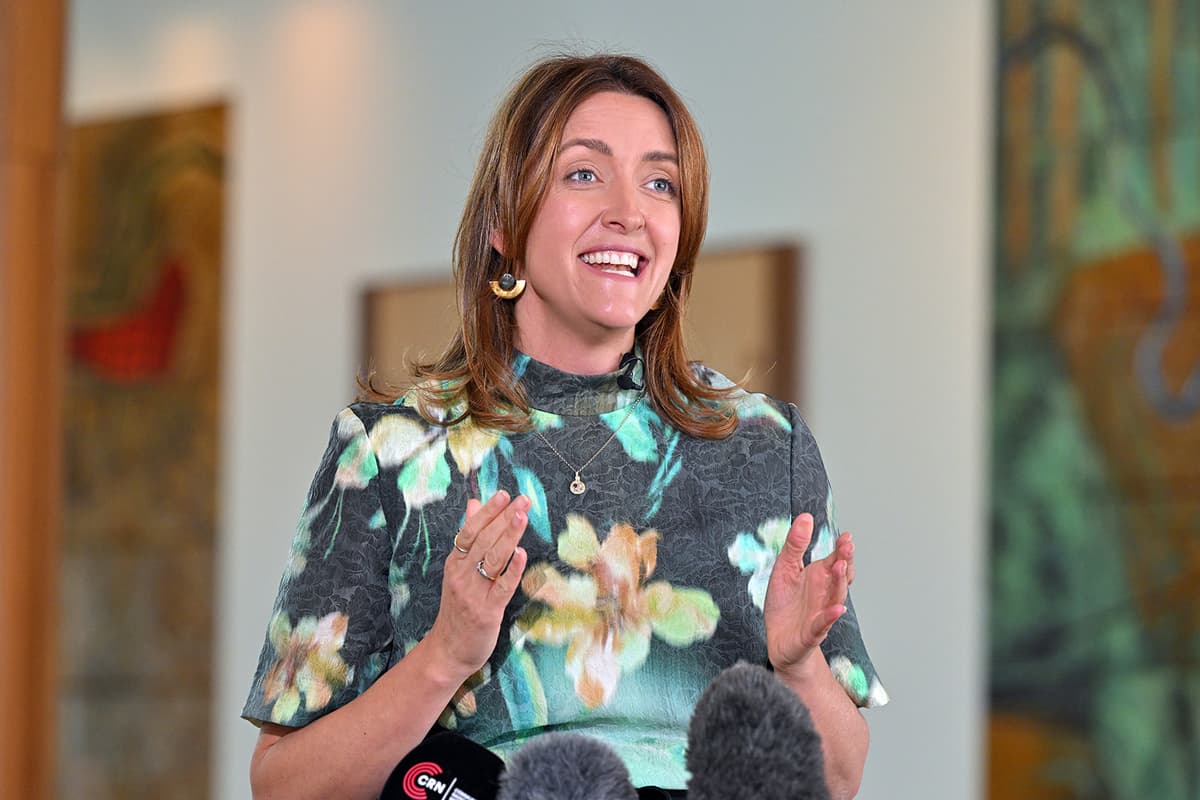
Greens senator Steph Hodgins-May said a Senate inquiry was necessary to assess the impact of the programs and sponsorships.
“‘Get them young’ was Big Tobacco’s strategy, and it appears the fossil fuel industry has copied the playbook from cradle to career. They’re going after our kids,” she said.
“Labor approves new coal and gas projects with one hand, takes millions in fossil fuel donations with the other, and stands by while these corporations gain access to Australian classrooms.”
Ms Hodgins-May said the industry had no place in classrooms.
“Fossil fuel companies teaching children about climate change is like tobacco companies teaching health education or gambling companies teaching financial literacy,” she said.
“They’re rewriting the story of climate change for a generation that will live with the consequences.”
Polling commissioned by Comms Declare in April found that 87 per cent of parents and grandparents believe educational programs should be funded by governments, rather than fossil fuel corporations, and 58 per cent support fossil fuel advertising bans.
“Six years ago, an ASIC investigation forced banking programs, like Dollarmites, out of schools,” Ms Noble said.
“Now big polluters are using the same loopholes to reach children, proving we need to find different ways to fund children’s programs once and for all.”
The Greens argue there’s a straightforward funding solution.
“If Labor made multinational gas corporations pay their fair share of tax on the resources they export, we could properly fund public education without relying on fossil fuel-backed teaching materials,” said Senator Hodgins-May.
The Australia Institute is backing a national plebiscite for a 25 per cent gas exports tax, which could raise an estimated $17 billion in revenue each year.