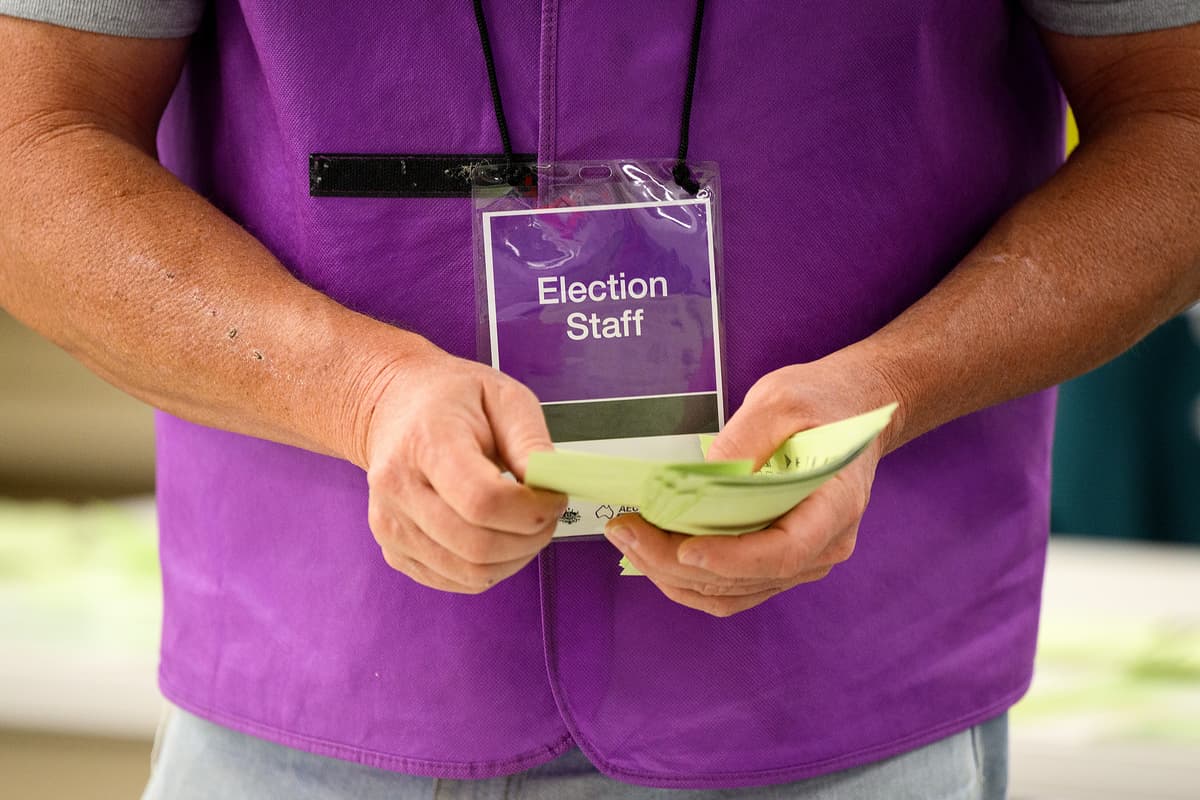
Who spent big in Canberra’s last election – and how proposed changes would hurt newcomers
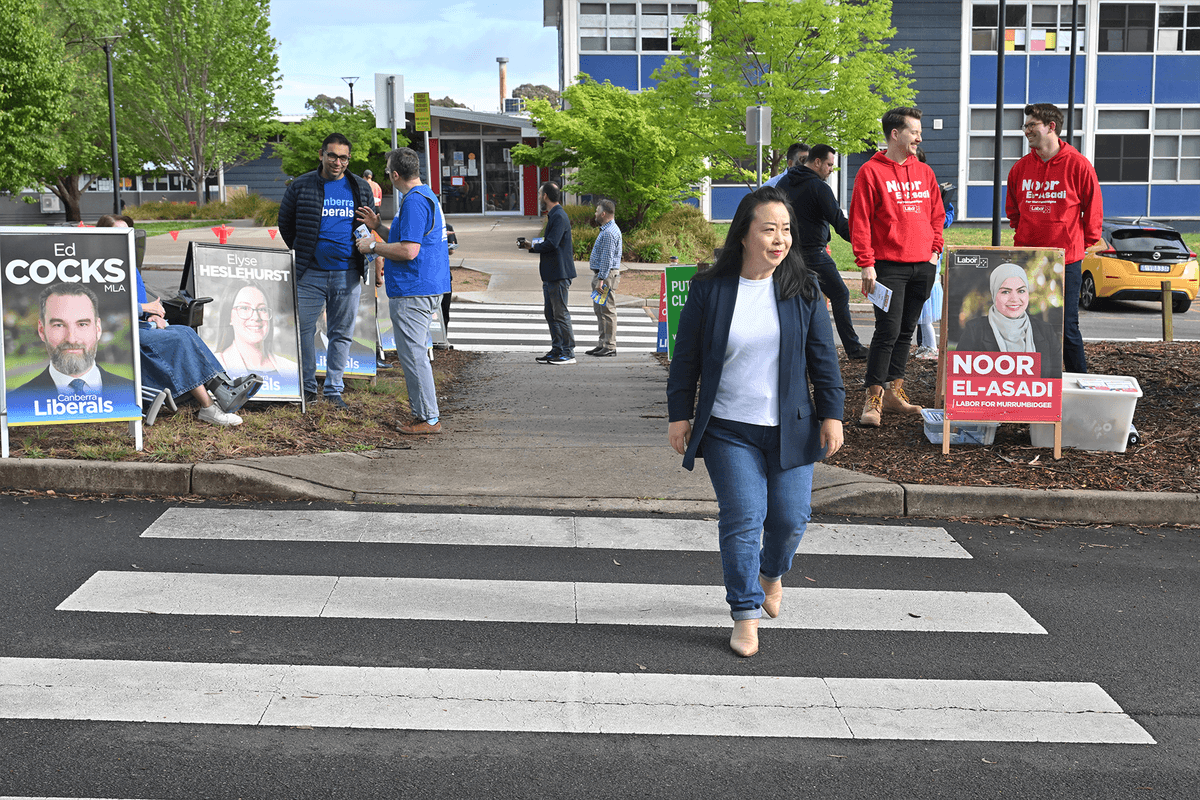
Could big spending explain the success of the independents at the ACT election? New data from the ACT Electoral Commission shows this isn't the case.
Greens leader Larissa Waters has argued the rise of One Nation reflects growing anger at a system many Australians feel no longer works for them, rather than an embrace of Pauline Hanson’s brand of politics.
Mon 6 Jul 2026 01.00 AEST
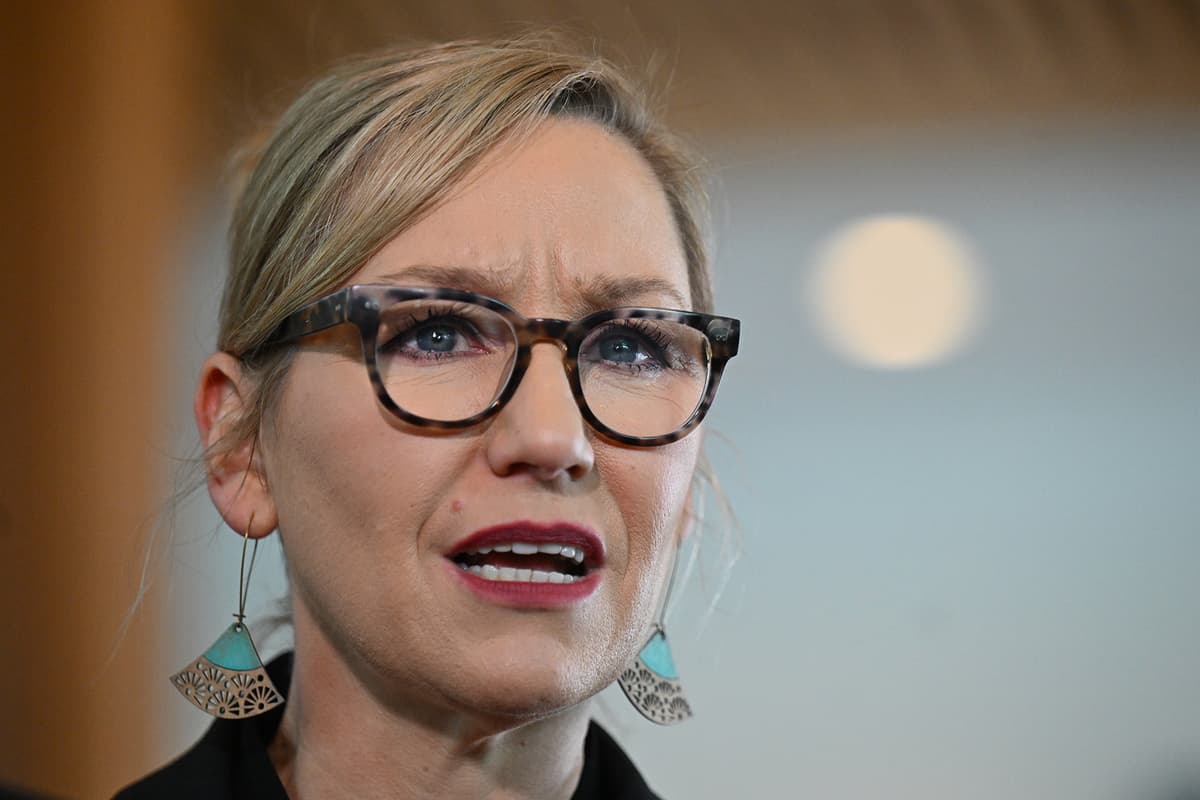
Photo: AAP Image/Lukas Coch
Greens leader Larissa Waters has argued the rise of One Nation reflects growing anger at a system many Australians feel no longer works for them, rather than an embrace of Pauline Hanson’s brand of politics.
Speaking at the Australia Institute’s Politics in the Pub event on Wednesday night, Senator Waters said people were desperate for change.
“Part of the reason why we’re seeing such a shift in the political sands is that deep economic despair that people are feeling,” she said.
“We’re in a cost-of-living crisis that seems to get worse with every turn, and of course we’ve got a complete rise of the global far right, which is striking terror into the hearts of anyone who actually likes other human beings.”
One Nation has been enjoying a surge in support, with the party posting its strongest-ever primary vote in the latest Sky News/YouGov poll.
But Senator Waters argued that didn’t necessarily mean voters wanted to see Pauline Hanson become prime minister.
“I really think that part of the reason why there’s been such a shift in the polls is that people are rejecting the status quo thinking that has led us to the deep inequality that we’ve got at the moment,” she told the audience.
“They’re looking for something else.
“So I don’t take it as an endorsement of Pauline Hanson’s terrible values, I don’t think she represents what Australians want for ourselves, or how we think of each other.”
A cost-of-living crisis, coupled with a housing shortage, high rents and a fall in real wages, has left voters desperate for change.
According to the Poverty in Australia 2025: Overview report, 1 in 7 Australians, or 3.7 million people, were living below the poverty line in 2022-23.
“It boggles my mind,” said Senator Waters.
“We’ve got all of the ingredients to have a successful and prosperous life and society, and yet we have inequality that’s getting worse.”
It’s why the Greens believe Australia is “at a tipping point” and needs to introduce a wealth tax to help raise revenue for more public services and support.
According to analysis by Oxfam, Australia now has 178 billionaires with a combined wealth exceeding $686 billion.
“There is something fundamentally wrong with a system where extreme wealth keeps skyrocketing while so many people are struggling to afford the basics, and governments claim there is not enough money for housing, healthcare, climate action and essential services,” Jennifer Tierney, Oxfam Australia chief executive, said in May.
Senator Waters argued big corporations and billionaires should be made to pay more tax, alongside the government axing negative gearing and the capital gains tax discount.
“Then we could afford to fund our daily needs, and we wouldn’t have to have a government with the moral bereftness of deciding to punch down on the disability community in their budget because they say they’re poor,” she said.
Rather than pursuing up to $38 billion in savings from the NDIS, the Greens argued the Albanese government should have instead sought to raise revenue by taxing the wealthiest 1 per cent.
While only a handful of countries, such as Norway, Spain and Colombia have a wealth tax, Senator Waters said Australia didn’t lack international examples to follow.
“It’s not a managerial barrier to doing any of these things, it’s a lack of political will to actually stand up to the vested interests,” she said.
The current system, she warned, was “anti-democratic” and events in other countries have shown that “it “doesn’t end well”.
“They’re not just buying up all of the assets, but they’re buying political power as well, they’re buying access, they’re buying influence, buying media and now they’re buying actual political parties’ planes, they’re making huge donations to them,” Senator Waters said.
And that includes Pauline Hanson’s One Nation, which was gifted a $1 million plane by mining magnate Gina Rinehart in April.
“This is the same bunch of vested interests that are just backing a different horse to achieve the same outcomes,” she said.
Advertisement
Could big spending explain the success of the independents at the ACT election? New data from the ACT Electoral Commission shows this isn't the case.
The Australian Electoral Commission (AEC) has been urged to rethink plans that could shut or merge about one third of its divisional offices, with a union warning the loss of local expertise could disrupt future elections.