Housing inequality now extends beyond rent and property prices, with millions of Australians locked out of cheaper electricity because they cannot access rooftop solar or batteries, a Senate inquiry has heard.
Solar Citizens senior campaigner Alia Armistead said unequal access to renewable energy was not only a missed opportunity to reduce emissions, but also a growing form of structural housing inequality.
“We argue that housing inequality is not defined only by the affordability of purchasing or renting a home, but it also includes the quality of a home and the cost tied directly to living in a home,” she said.
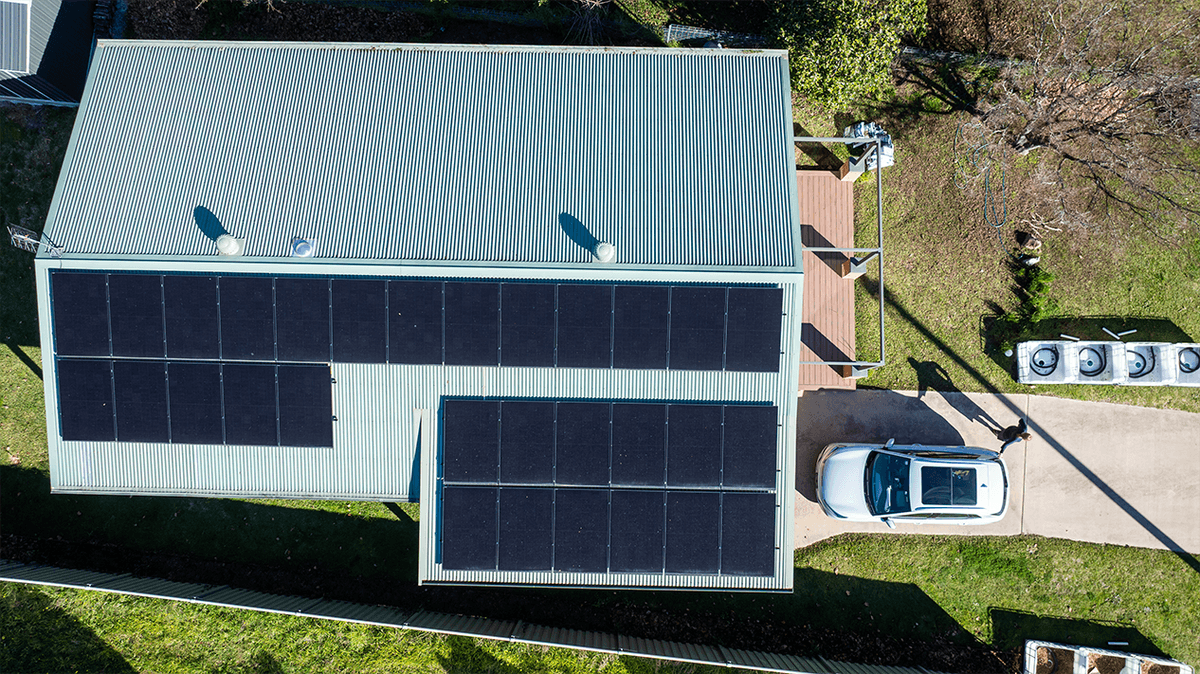
Australia leads the world in per capita rooftop solar adoption, with more than 4 million homes – approximately one in three – equipped with solar panels, delivering approximately $3 billion in savings.
Home battery installations have also surged, with more systems installed in the five months to May 2026 than in the previous six years combined.
Ms Armistead said housing inequality, energy affordability and a transition to clean energy were becoming increasingly intertwined.
“One in five households are vulnerable to experiencing energy hardship, … and renters are disproportionately likely to be in this hardship category,” she said.
Solar Citizens is calling for a new tax incentive to encourage landlords to install rooftop solar, proposing the depreciation schedule be reduced from 20 years to five years for those invest in the technology.
The community-based organisation said the measure would help unlock rooftop solar for more than two million renters living in suitable homes and deliver significant savings.
“We know that the tax system is very effective at driving behaviour change,” she told the inquiry.
The inquiry heard that modelling showed renters could save more than $38,000 on electricity bills over the system’s 20-year lifetime, while landlords would save an average of between $3,000 and $6,000 through the incentive.
Solar Citizens believes the measure would address the two biggest barriers identified by its members: the lengthy tax depreciation period and the upfront installation costs.
It reported that 80 per cent of the members it surveyed would be “very likely” to take up such an incentive.
Alongside financial incentives, the organisation also supports stronger minimum standards to improve the energy efficiency of rental homes.
Ms Armistead said such requirements had already been introduced in the ACT and Victoria, while New South Wales was consulting on similar reforms.
However, she cautioned it should not come at the expense of the organisation’s broader goal.
“We don’t want the unintended consequences of mandating energy upgrades and installing solar on rental properties to be … increased evictions or excessive rent increases,” she said.
“The reason we are advocating for this is to improve the quality of rental housing and improve the quality of renters’ lives.”