Australia’s newly released National Environmental Standards have been torn apart by conservation and legal groups, which warn the Albanese government’s centrepiece reforms have failed to close the loopholes that allowed habitat destruction under the old law.
The Standards were a key part of the “historic” reforms pushed through Parliament on the final sitting day of 2025, with the government hailing it a “landmark day for the environment”.
“These Standards had one job: to stop the loose language and endless discretion that let nature go on losing under the old law,” said Louise Morris, the Australia Institute’s head of fossil fuel transition.
“Instead, they hand decision-makers the same wriggle room, dressed up as reform.”
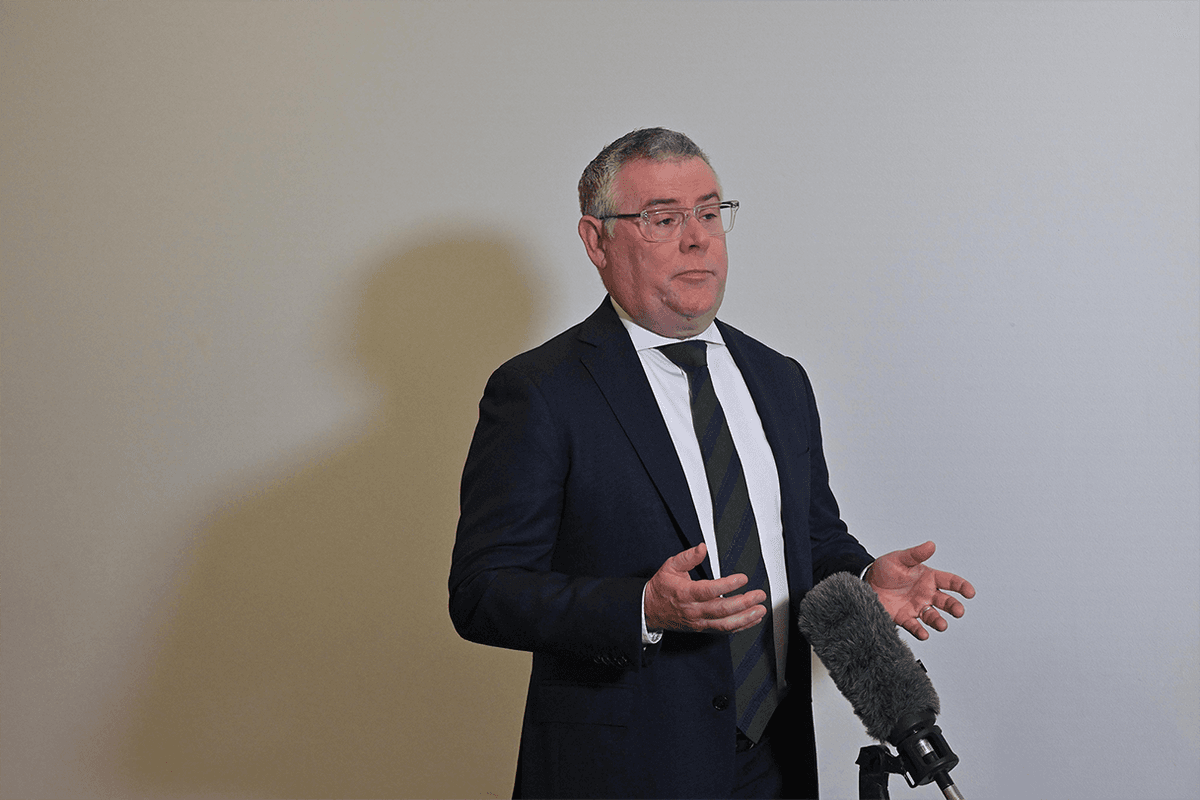
Environment Minister Murray Watt said the Standards were a “central plank” in the legislation and provided “clearer, more consistent benchmarks” that must be met in decisions made by the new, independent National Environmental Protection Agency.
The four new Standards cover:
- Matters of National Environmental Significance (MNES Standard)
- Environmental Offsets
- Community Engagement
- Data and Information
Ms Morris said the Albanese government needed “Standards with teeth” that didn’t allow industrial polluters to “hide behind dodgy offsets”.
She argued the offsets system doesn’t stop habitat being cleared or ecosystems being damaged, but rather it allows destruction to proceed in exchange for a company paying to protect or restore nature elsewhere.
“The market exists to excuse destruction, not prevent it,” she said.
“Weak Standards plus more offsetting doesn’t add up to protection, it adds up to two systems that both let the damage happen while cooking the books to say otherwise.”
“You get a system that lets destruction proceed today on the promise of restoration tomorrow, a promise regulators rarely check and almost never enforce.”
Environmental Justice Australia Co-CEO Nicola Rivers described the new Standards as “vague” and said they fall short of the protections recommended by the Samuel Review.
Get our newsletter
Quality research, analysis, explainers and factchecks from experts you can trust.
“They were meant to provide the guardrails as more environmental decision-making is devolved to the states,” she said.
“These Standards cannot become the blueprint for weaker protections across the country.”
From this week, the benchmarks will apply to new bilateral agreements with states and territories, as they’re increasingly being given more environmental decision-making powers.
However, the Standards won’t change how individual developments are assessed until December 2026.
“Tasmania is the immediate concern,” said Ms Rivers.
“As native forest logging moves under national environment laws, the federal government is looking to a bilateral agreement that could give Tasmania a greater role in approvals.”
The Australian Conservation Foundation (ACF) argued the Standards were a “licence to continue habitat destruction”.
“The standards retain too much of the discretion and ambiguity that has been a central problem of Australia’s nature law – the problem these standards were supposed to fix,” said ACF’s national biodiversity policy adviser Brendan Sydes.
“ACF’s analysis shows thousands of hectares of threatened species habitat is approved for destruction every year. These standards provide no confidence this is about to change.”
Mr Sydes said the devastating impacts of bird flu was yet another major threat to Australia’s wildlife, which is already under stress and battling loss of habitat.
He said the Albanese government needed to move beyond the status quo if it was serious about delivering better outcomes for nature.
“This is not the big shift you would expect from a government that was committed to tackling Australia’s extinction crisis and the longstanding failures of the nature law,” he said.