Resource company Glencore is set to list on the Australian Securities Exchange (ASX) today. The controversial Switzerland-based company has a long reputation for involvement in corruption, tax avoidance and environmental scandals around the world.
Wed 14 Oct 2026 10.16 AEDT
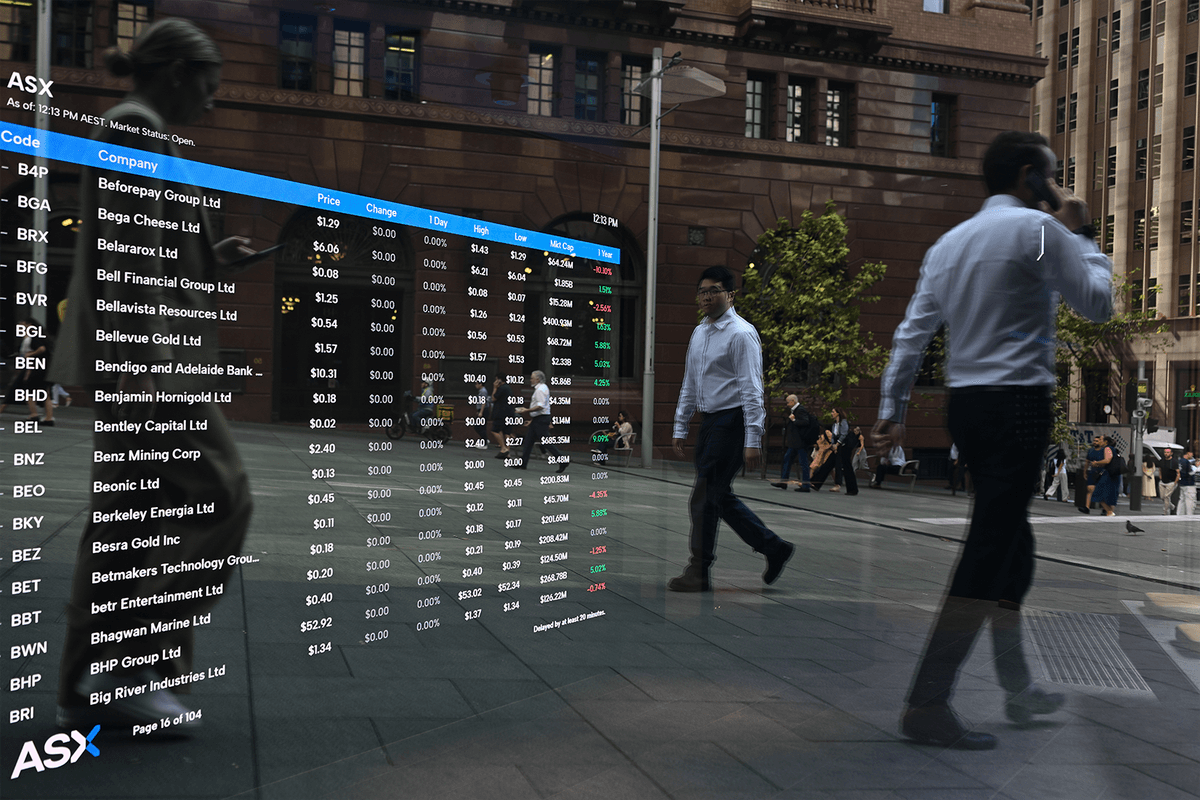
Photo: AAP Image/Lukas Coch


Resource company Glencore is set to list on the Australian Securities Exchange (ASX) today.
The controversial Switzerland-based company has a long reputation for involvement in corruption, tax avoidance and environmental scandals around the world.
Glencore co-owns the Hunter Valley Operations (HVO) coal mine, which the NSW Independent Planning Commission recently approved to operate until 2045, despite the millions of tonnes of greenhouse gas emissions that the project will cause.
Glencore says that the ASX listing “could attract more investors and improve familiarity with Glencore”, particularly Australia’s large superannuation funds, according to reporting in the Australian Financial Review.
Glencore’s arrival on the ASX brings risks for investors, according to the Australasian Centre for Corporate Responsibility (ACCR).
“Glencore is pitching directly to Australian super funds,” said Naomi Hogan, Head of Engagement and Sector Strategy, ACCR.
“Many super members will own a stake in Glencore through their fund’s index options, whatever their view on coal.
“Every fund should be asking how a holding in one of the world’s largest thermal coal exporters fits its own climate policies, and what it will do as a shareholder to hold Glencore accountable to emissions reduction targets.”
Ms Hogan pointed to the approval of Glencore’s HVO coal mine as an example of how the company had overstated the economic case for coal, with ACCR analysis finding that climate costs were likely to be 600 times greater than Glencore’s estimate.
“Using NSW Treasury’s target-consistent method would put their cost at $2.3 billion, around 600 times the $3.8 million in the proponent’s assessment,” she said.
As a result, “every other part of the NSW economy now has to cut harder to keep the state on track [to reach climate targets]”.
Ms Hogan’s concerns were echoed by Rod Campbell, Research Director at The Australia Institute.
Quality research, analysis, explainers and factchecks from experts you can trust.
“Glencore fudging their Hunter Valley emissions figures and duping NSW planners and politicians is hardly surprising,” said Mr Campbell.
“This is a company that was founded on tax avoidance, trading with rogue states and corruption. It now has a sideline in climate destruction.
“Despite its appalling history, superannuation executives seem desperate to funnel Australians’ retirement savings into Glencore.
“Australia’s regulators, planners, super funds and governments will need to show a lot more spine and vigilance with Glencore than they have in the past.
“My personal favourite Glencore story is when they tried to count payroll tax payments over 1,000 years at their McArthur zinc mine in the Northern Territory, to distract from the mine almost never having paid royalties and causing huge environmental damage to the local area.”
In its ASX listing compendium document, Glencore states that “We produce, recycle, source, market and distribute the commodities that support growing energy demand/security, continued urbanisation, the energy transition and AI infrastructure.”
“We are committed to upholding a culture of ethics and compliance across our business.
“Our Ethics and Compliance Programme supports responsible and ethical decision-making at all levels of the organisation and helps us manage the risks associated with operating in complex and dynamic environments,” the compendium document says.
“Let’s hope that Australia’s governments, regulators and superannuation funds are ready to hold Glencore to its stated responsible and ethical decision making,” said Mr Campbell
“This should start with a responsible policy like no new coal expansions and campaigning against diesel subsidies for mining companies, like Fortescue has.”
Data released recently by the Australian Taxation Office shows that Glencore Holdings Pty Limited had total income of $23.3 billion and paid zero corporate tax over the last four years.
Glencore Investment Pty Limited had total income of $120 billion over the same period, which resulted in taxable income of $34 billion and tax payable of just under $9 billion.

