Motor racing could be permitted in parts of the long-awaited Great Koala National Park precinct, sparking outrage among conservationists who say the NSW Government is putting recreational activities ahead of protecting endangered koalas.
By Tegan George
Thu 15 Oct 2026 11.53 AEDT
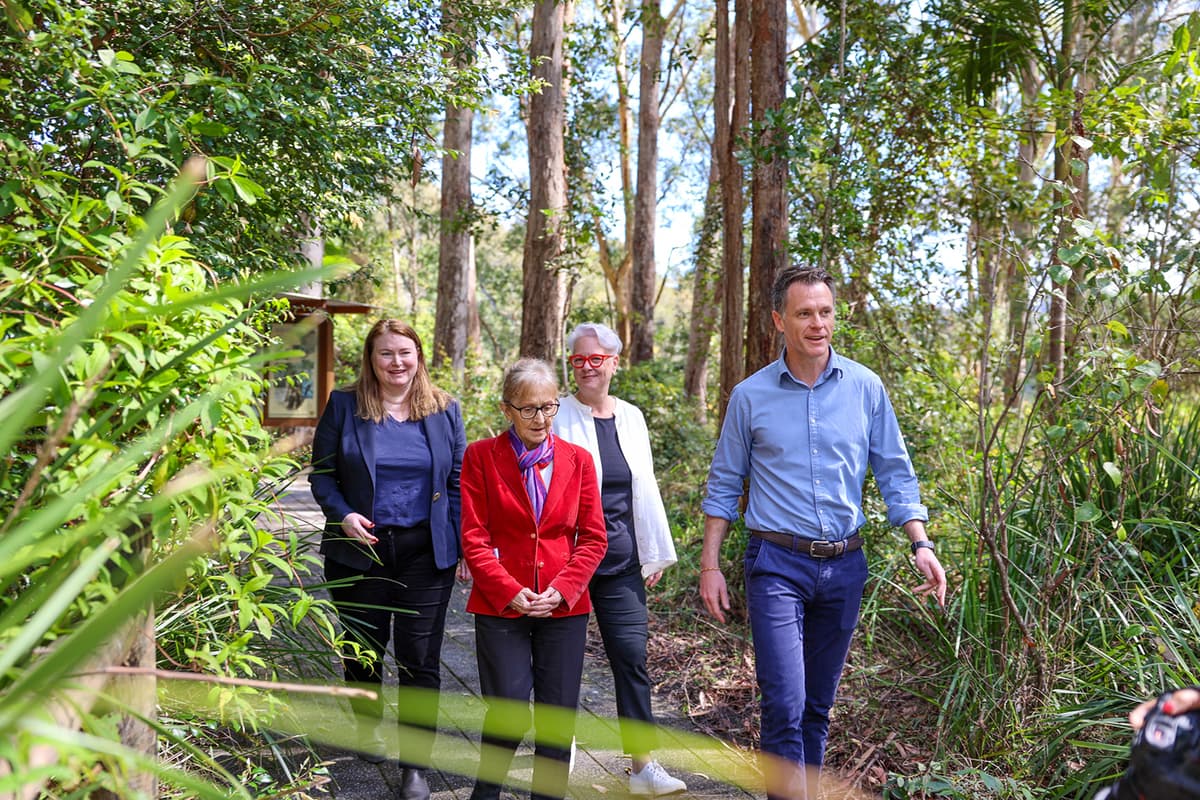
Photo: AAP Image/David Wigley


Motor racing could be permitted in parts of the long-awaited Great Koala National Park precinct, sparking outrage among conservationists who say the NSW Government is putting recreational activities ahead of protecting endangered koalas.
More than 23,000 hectares of land earmarked for the national park will instead be designated regional parkland, where car rallies could continue with government approval.
“We are horrified that 13 per cent of the 178,000ha of state forest that was promised to become a National Park has now been downgraded to regional park,” said the Koala Clancy Foundation President Janine Duffy.
“That’s over 23,000 hectares of koala habitat now effectively unprotected.
“The vast majority of the areas downgraded from National Park are coastal forests – the very areas that koalas will need most under climate change scenarios.”
The Koala Clancy Foundation, which works with koalas in Victorian regional parks, warned the classification could have serious ramifications for wildlife protection.
“Funding in regional parks is tight, and usually prioritised for human infrastructure rather than biodiversity. Dogs are allowed in the parks, on lead, but only 50–70% of dog walkers respect that rule, and policing is poor or non-existent,” Ms Duffy warned.
“Off-track trail biking damages a large part of these parks, with significant noise and erosion impacts.”
She said speed limits in Victoria’s regional parks were rarely enforced and the foundation had lost at least one koala to a vehicle strike on a 40km/hr dirt road.
The Minns Government revealed its plans as it introduced legislation into NSW Parliament to establish the Great Koala National Park (GKNP).
The legislation would allow the Environment Minister to approve motor racing events on existing roads in the regional park sections, with the government citing the region’s long history of car rallies.
“The Great Koala National Park is one of the most important things we can do to save koalas in NSW,” said Environment Minister Penny Sharpe.
“It is also about creating an area that people can explore and enjoy for generations.”
Quality research, analysis, explainers and factchecks from experts you can trust.
Minister for the North Coast Janelle Saffin said the government had listened closely to local families, outdoor enthusiasts and communities to “get this balance right”.
“The Great Koala National Park delivers crucial protection for our koalas and native wildlife while creating world-class recreation opportunities that will boost local tourism and support North Coast businesses,” she said.
The park has already been the centre of controversy over the New South Wales Government’s initial plans to fund its establishment and ongoing management through a new carbon credit method.
Australia Institute co-CEO Dr Richard Denniss accused the Minns government of orchestrating “one of the bigger environmental frauds in Australian history”, describing its plan as “deeply fraudulent”.
The new Improved Native Forest Management (INFM) ACCU method allows state governments to earn carbon credits by ending planned logging in in eligible public native forests.
The controversial method survived an attempt to overturn it in the Senate last month, although three Greens senators crossed the floor to oppose the scheme.
As part of a deal to secure the Greens’ support, the NSW government committed to stopping fossil fuel companies from buying credits generated under the scheme in the state.
The creation of the GKNP remains conditional on the Clean Energy Regulator’s registration of the carbon project.
The Minns Government estimates the park will provide habitat for 12,000 koalas, 36,000 gliders and more than 100 threatened species.
However, the end of forest logging in the proposed park is expected to affect up to 300 jobs and six of the region’s 25 timber mills.
“We made a promise to create a Great Koala National Park and to support workers, and we’re delivering on that commitment,” said Minister for Agriculture and Regional NSW Tara Moriarty.
“Alongside this park, we’re rolling out a comprehensive package to help support impacted forestry workers.”

