

Double standards from supermarkets to an uncomfortable ‘shrug emoji’
Double standards are pretty standard in Australia – so standard that the past couple of weeks have been full of them in politics and barely an eyebrow has been raised.
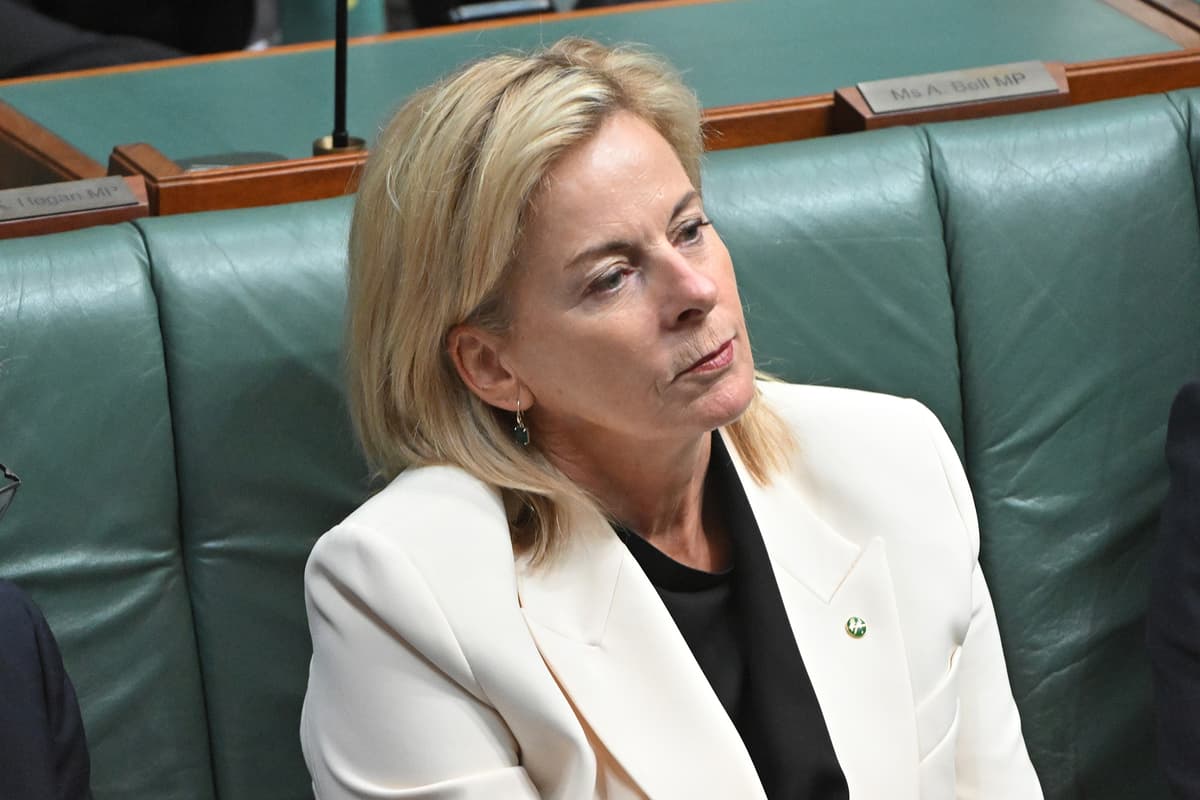
Earlier this week, researcher Alex Fein talked with Richard Denniss about why cost-of-living pressures, strained public services and declining trust are fuelling Australians’ anger.
Wed 21 Oct 2026 01.00 AEDT
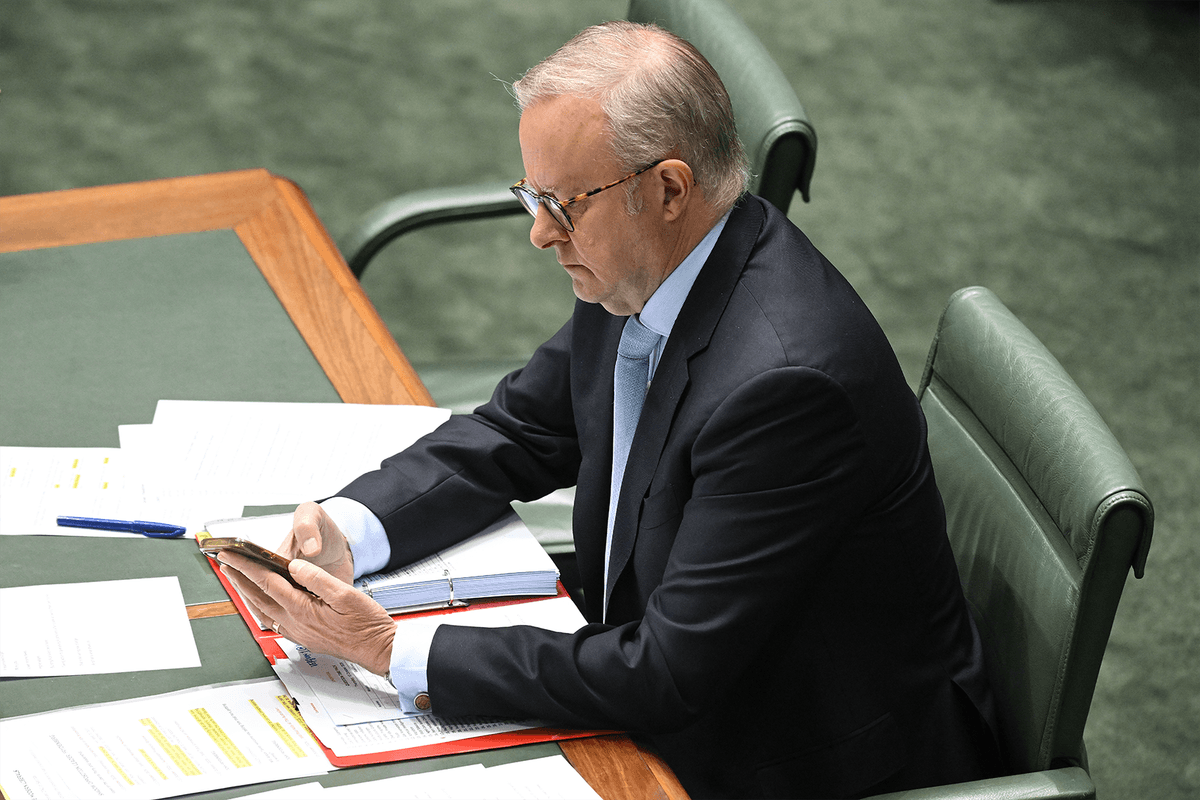
Photo: AAP Image/Lukas Coch


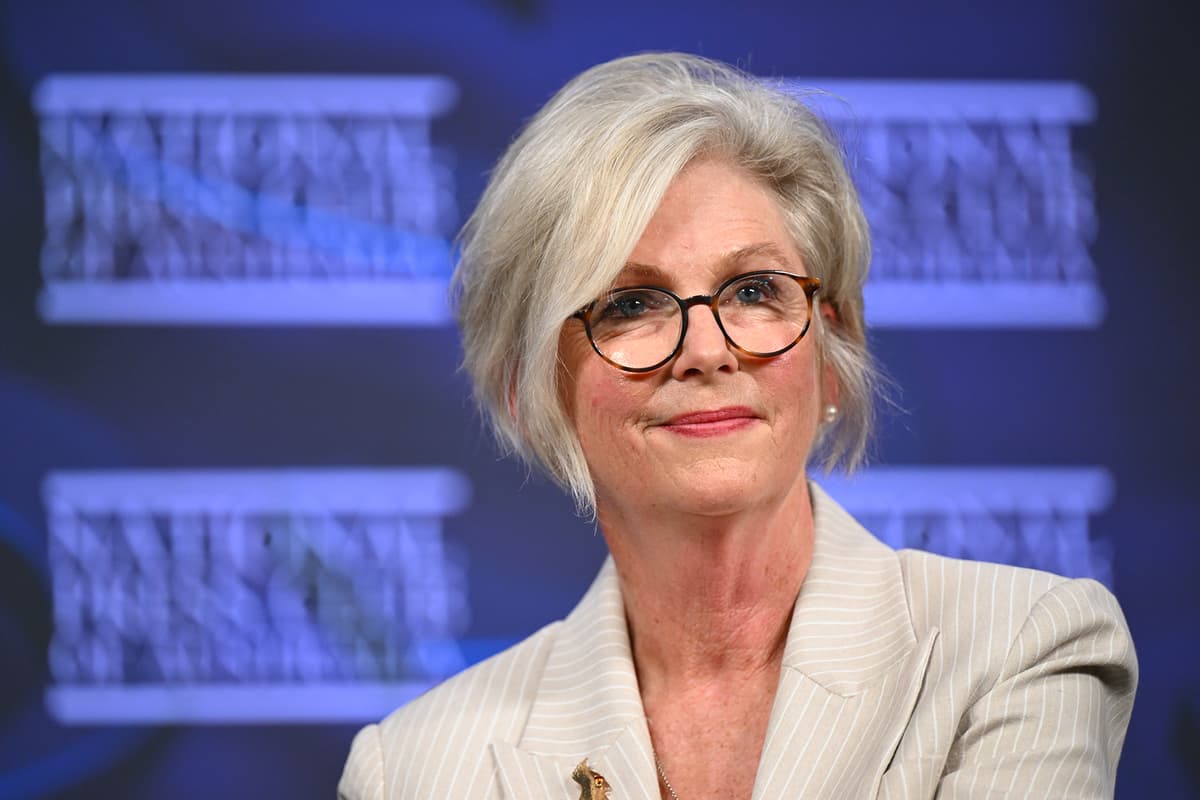
Independent MP Helen Haines is in a critical condition after being hit by a car outside her electorate office in Wangaratta in what the Prime Minister has described as an “attack”.
Double standards are pretty standard in Australia – so standard that the past couple of weeks have been full of them in politics and barely an eyebrow has been raised.
The shocking attack on independent MP Helen Haines has brought long-held fears among politicians to the surface, with MPs revealing they have been worried for years that escalating hostility and threats could eventually lead to serious violence.
Prime Minister Anthony Albanese said the incident reflected a rise in the political temperature, while ASIO director-general Mike Burgess called for “respect” and “restraint” in political debate.
As it happens, earlier this week, Australia Institute co-CEO Dr Richard Denniss sat down with Alex Fein, a researcher and strategist at political research and polling firm RedBridge, for his podcast What’s the Point?
Ms Fein holds focus groups “most nights of the week”, digging into the “why” behind the figures.
Dr Denniss’ first question: “Why are so many Australians so angry?”
“I think people aren’t just angry. They’re also scared. They’re really scared and their trust in the system is collapsing,” said Ms Fein.
“We’ve got a few things I think going on. The main one is we’ve had a pretty precipitous drop in standard of living.
“So, we’re here in the [focus] groups, traditionally middle-class people like teachers and nurses, particularly if they’re single mothers, will have to sometimes get a second job. They’re doing gig work on top of their day job in order to make ends meet.
“And services are stretched to breaking point. People can’t get the healthcare they need. Their schools are falling down around them.
“Life is so complicated and confusing for people.”
She said an “impossible information environment”, where social media algorithms amplify outrage and conflicting messages leave people overwhelmed, was making matters worse.
“The algorithms want us to fight with each other. It prioritises the most enraging, infuriating, awful stuff to keep us hooked,” she said.
Quality research, analysis, explainers and factchecks from experts you can trust.
She warned that online information was vulnerable to manipulation by people and businesses competing for attention.
“They see a political class and by extension, leaders in business, the media that are completely divorced from their everyday experiences and don’t seem to understand or care what they’re going through,” she explained.
“They feel like they’re being lied to a lot and they feel like they’re not being protected by government.”
Dr Denniss observed that falling real wages had left Australians worse off than they were five or seven years ago, while the information they consumed was playing to their biggest fears and prejudices.
“So, just who are they angry at?” he asked.
Ms Fein said there were several groups people tended to direct their anger towards.
“The out group that everybody agrees on is politicians, particularly the major party politicians,” she said.
“They’re angry at big corporates and the predatory practices they feel big business gets up to,” she said.
“What government is meant to be there to do is to protect them from that predation, and they see government failing to do that.”
She said that frustration with government extended across the political spectrum.
The attack on Ms Haines has added new urgency to the conversation about political anger and how it’s expressed.