Nearly 2.8 million Australians are in line to receive a pay rise after the Fair Work Commission (FWC) awarded a 4.75 per cent increase to modern award minimum wages.
The increase, which takes effect from July 1, comes as the Commission sought to balance ongoing cost-of-living pressures against concerns about inflation and economic uncertainty.
In its annual wage review decision, the FWC said award-reliant workers – which account for around 21 per cent of all Australian employees – remained worse off in real terms than they were before the post-pandemic surge in inflation.
However, it decided that it wouldn’t be “practicable or responsible” to fully close that gap in the current economic climate.
“A fundamental consideration … is that most modern award-reliant employees are still in the position that their wage rates, in real terms, remain lower than what they were in July 2021,” it stated.
It noted that last year’s wage increase had “narrowed the real wage gap to a significant degree”.
However, much of that progress has been eroded by what it described as the “wild card” of the Middle East conflict and the resulting disruptions to oil supplies.
“The determination of this year’s Review outcome has been particularly challenging because of the unusual degree of complexity,” it stated.
With the Reserve Bank of Australia (RBA) forecasting inflation for the year to June 2026 to be 4.8 per cent, the Australia Institute’s Chief Economist Greg Jericho estimated it would have taken a wage increase of around 5.65 per cent to close the gap again.
“The impact of the past few years has meant that people on the award wage have less purchasing power than someone on the award wage did five years ago,” he said.
“But even worse is that the award (and the minimum wage) is meant to go up by more than inflation.
“It did before the pandemic at a pretty constant rate.
“Had that trend continued, the real award wage would be around 6.6 per cent higher than it is now.”
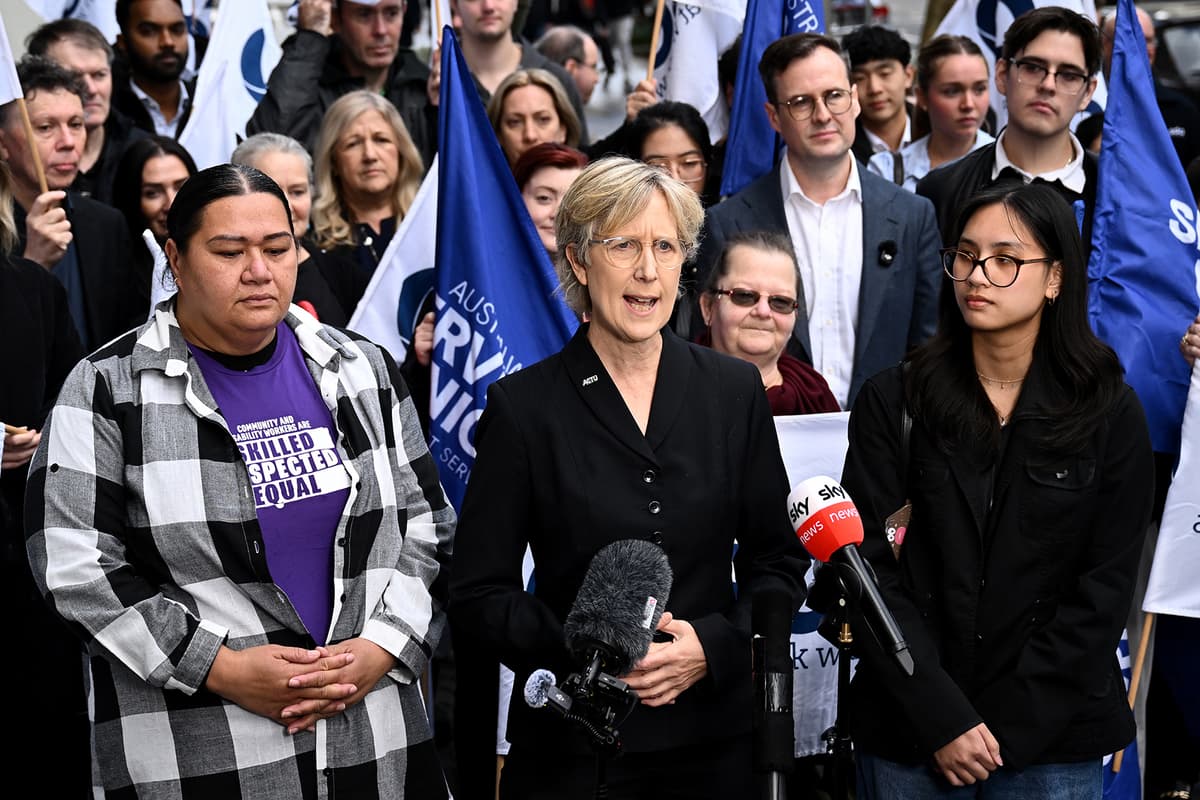
The Australian Council of Trade Unions (ACTU) had campaigned for a 6 per cent increase but said the uplift would still provide much needed support.
“This is a positive real wage increase, and it will provide some buffer against the worst impacts of the Trump war, providing it doesn’t drag on throughout the year,” said ACTU Secretary Sally McManus.
She also welcomed the FWC’s decision to boost wages for around 100,000 of the country’s lowest paid workers.
The national minimum wage will also receive an extra boost – equating to an overall 6 per cent increase – to $1,004.90 a week, or $26.44 an hour.
That equates to an extra $56.90 per week or $1.49 per hour.
“We now look forward to every other employer group telling us this will destroy the economy, as they do every year,” said Mr Jericho.
The Australian Retail Council (ARC) released a statement warning the wage increases will “significantly increase labour costs” for already-struggling retailers.
“Labour is one of the largest costs in running a retail business. Combined with rising energy, rent, insurance, freight, compliance and security costs, this decision will place additional strain on already thin margins across the sector,” said ARC Chief Legal & Industrial Relations Officer Lindsay Carroll.
Meanwhile, the Australian Chamber of Commerce and Industry (ACCI) – which had pushed for a 3.5 per cent increase – said it was “disappointed” with the decision.
“Today’s decisions further delink wage outcomes from productivity, and economic activity will suffer as a result,” said ACCI’s Chief of Policy and Advocacy David Alexander.
The Australian Council of Social Service (ACOSS) welcomed the wage increase but said there was more to be done.
“Far more government action is needed to reverse the decade-long stagnation of living standards endured as wages and incomes have failed to keep pace with costs,” said ACOSS Acting CEO Edwina MacDonald.
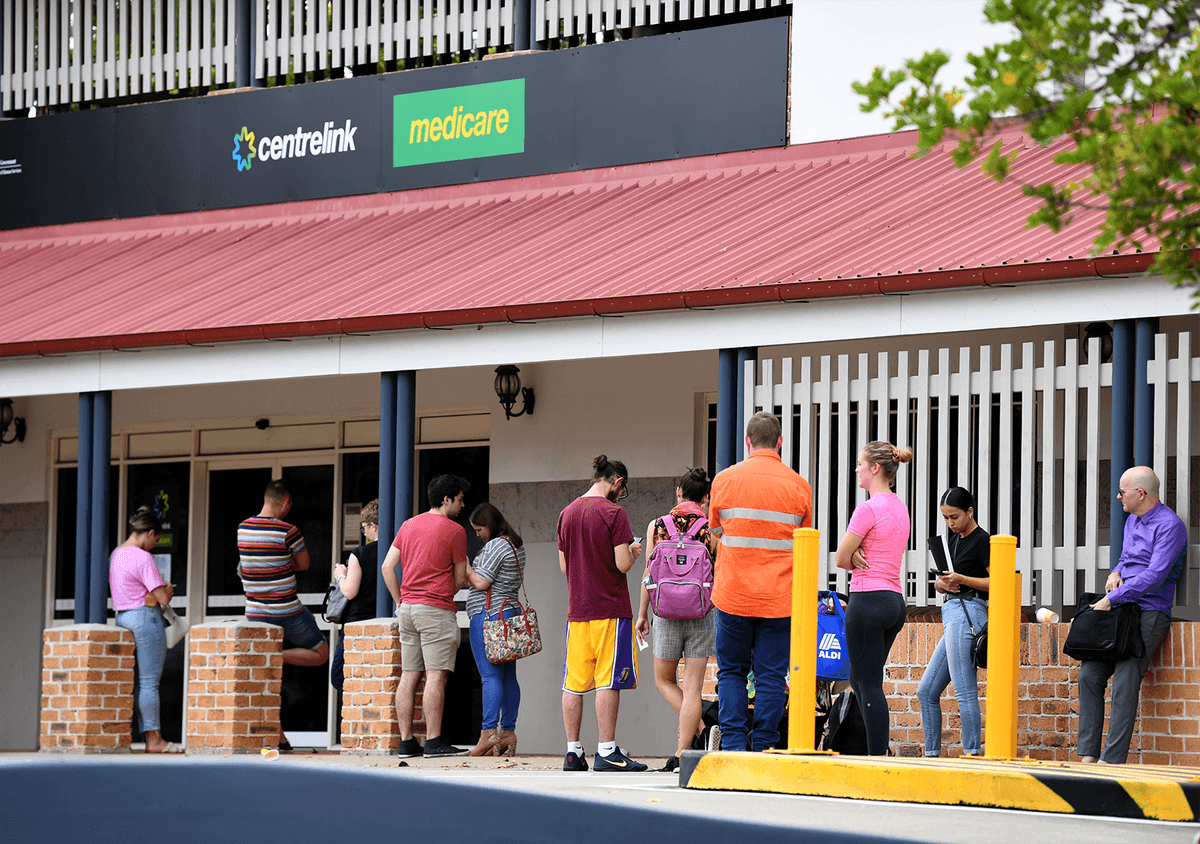
“The government must also raise the rate of JobSeeker and related payments to levels that allow people to cover the basics and live decently.”
ACOSS also called on the Albanese government to provide additional funding for community sector organisations grappling with rising costs and growing demand for their services.