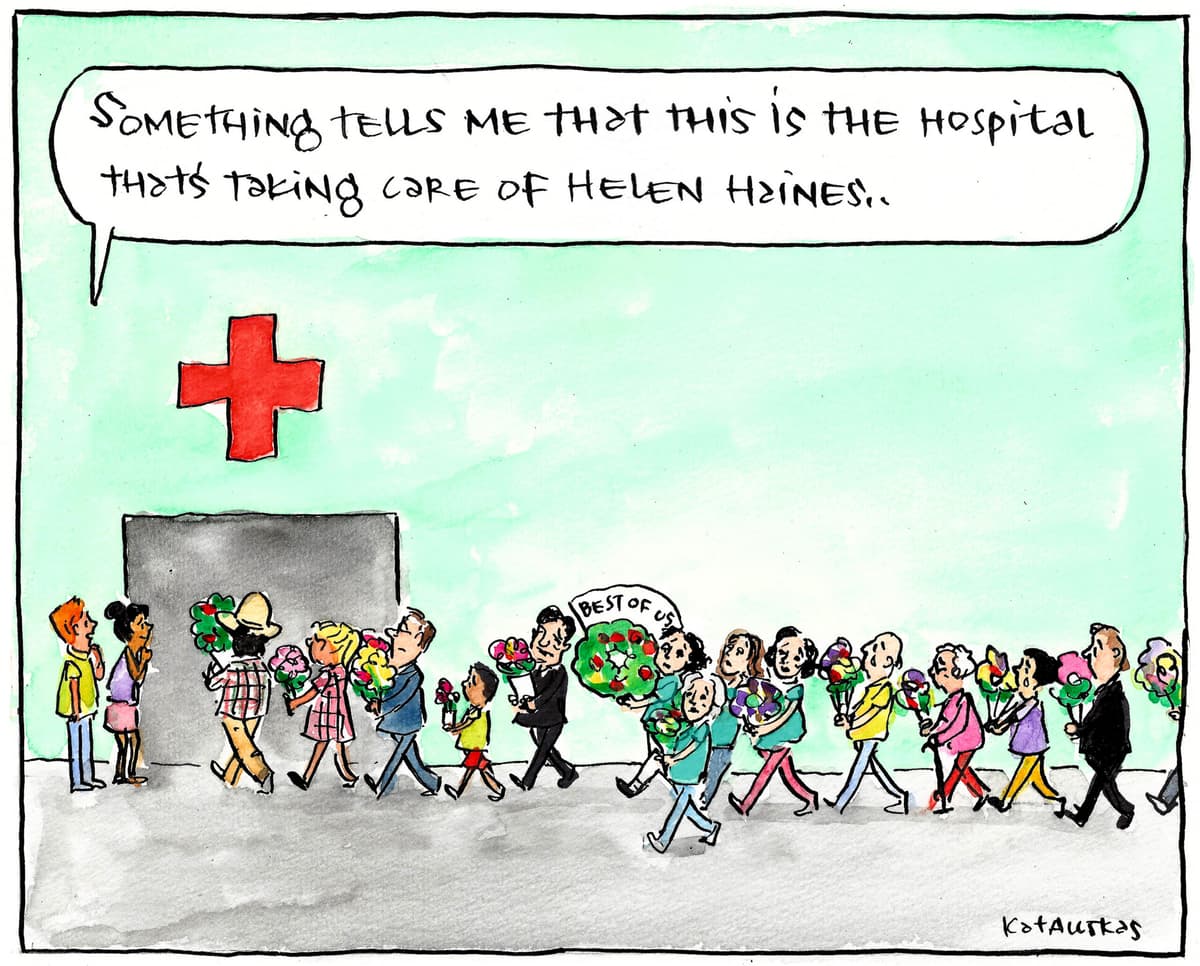
Cost-of-living pressures, declining trust driving public anger
Earlier this week, researcher Alex Fein talked with Richard Denniss about why cost-of-living pressures, strained public services and declining trust are fuelling Australians’ anger.
Almost nine in ten NSW residents support truth in political advertising laws, according to polling cited by a new push for reforms before next year’s state election. The findings come amid growing concern about misinformation, deepfakes and AI-generated content, with advocates warning voters are increasingly being exposed to false and misleading political claims online.
Thu 11 Jun 2026 16.38 AEST
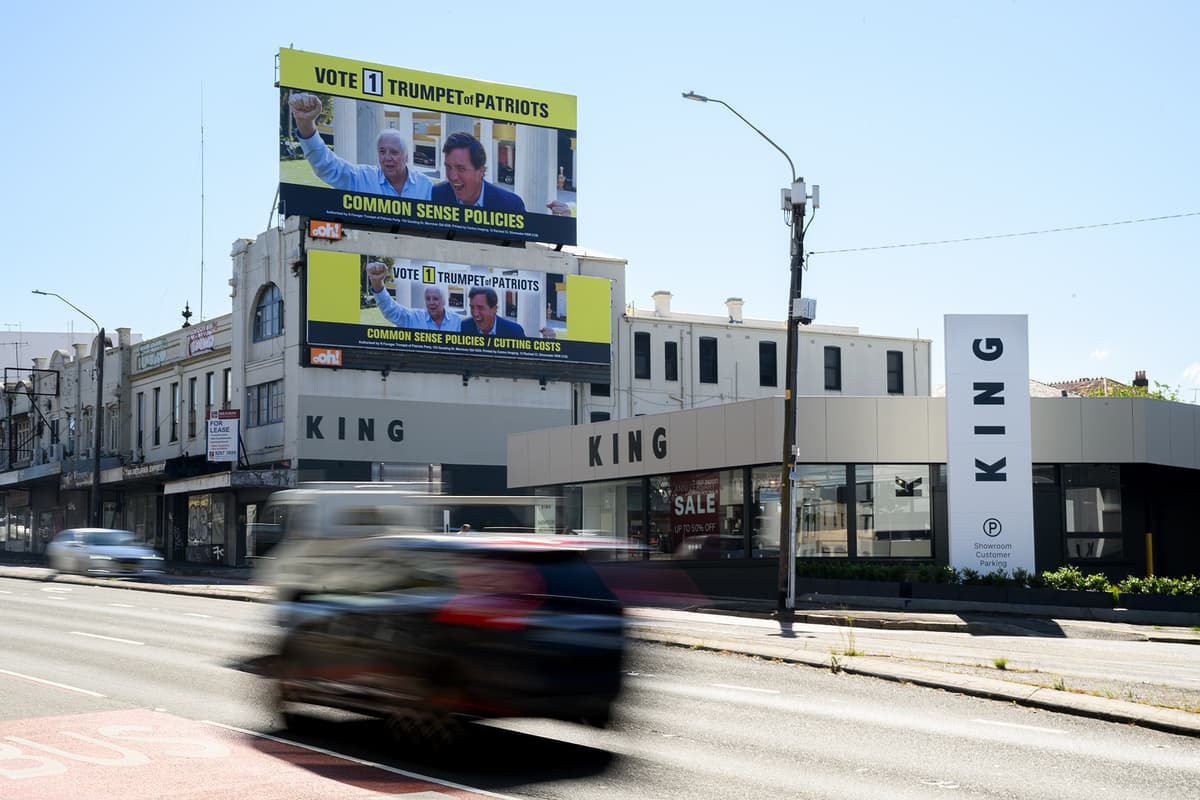
Photo: AAP Image/Bianca De Marchi
Almost nine in ten NSW residents support truth in political advertising laws, according to polling cited by a new push for reforms before next year’s state election.
The findings come amid growing concern about misinformation, deepfakes and AI-generated content, with advocates warning voters are increasingly being exposed to false and misleading political claims online.
“Truth in political advertising is vital to restoring public trust that has been greatly eroded,” said Michelle Millner, who has launched a petition backed by the Australia Institute.
“Without laws around this, our democracy is broken,” she said.
The petition needs 20,000 signatures from NSW residents to trigger a parliamentary debate in the Legislative Assembly.
There is still time for truth in political advertising laws to be introduced before the March 2027 election.
The proposed legislation would outlaw misleading political advertisements, such as those falsely claiming a party will introduce a new tax or cut a government service.
Advocates point to South Australia, where inaccurate and misleading electoral advertising has been regulated for four decades.
“Truth in political advertising laws have transformed campaigning in South Australia, leading political party directors to scrutinise all political ads for accuracy,” said Bill Browne, Director of The Australia Institute’s Democracy & Accountability Program.
“NSW voters are entitled to the same standard of rigour and honesty, but currently there is no guarantee they will get it.
“Trust in politics is already low. Allowing politicians to knowingly spread falsehoods during election campaigns is indefensible.”
The proposal has already attracted support from crossbenchers, who argue existing safeguards have failed to keep pace with misinformation and AI-generated content.
“There’s no place for misinformation in politics, particularly at a time when trust in our democratic system is critically low and highly polarised,” said Jacqui Scruby, Independent MP for Pittwater.
“Election campaigns should be a contest of ideas, where good policy rises to the top, not a race to the bottom driven by rage bait, scare tactics and misleading claims.”
The laws would be “common sense reform to protect our democracy”, according to independent member for Wakehurst Michael Regan.
“If the major parties have nothing to hide, this should get universal support,” he said.
Independent MP for Wagga Wagga, Dr Joe McGirr, said truth in political advertising was key to maintaining public trust.
“Honesty and integrity are essential to democracy and at a time when truth can be threatened and trust can be undermined, we must do what we can to protect both,” he said.
Independent MP for Orange Phil Donato said honesty in political ads was needed to retain public confidence in democracy.
“If we want to ensure public confidence and trust in our democracy, this begins by ensuring that political advertising is honest,” he said.
“How can you trust a candidate or party who deliberately spreads misinformation and lies?” he asked.
Last year, the NSW Government passed legislation strengthening protections against digital deepfake abuse, but supporters of truth in political advertising laws argue further reforms are needed to address misleading political claims.
“With so much misinformation and “alternative facts” being shared so far and wide, including through AI, it is critical for our democracy that we urgently implement truth in political advertising laws,” said Independent MP for Sydney Alex Greenwich.
Greens democracy spokesperson Kobi Shetty warned the state could not afford to delay action.
“With the emergence of AI, the risk of misinformation spreading is at an all-time high, especially with an election on the horizon,” the Balmain MP said.
“People simply don’t know what to believe. This erodes trust in politics and, if left unchecked, it ultimately undermines our democracy.”
Advertisement
Earlier this week, researcher Alex Fein talked with Richard Denniss about why cost-of-living pressures, strained public services and declining trust are fuelling Australians’ anger.