Environmental groups are launching a coordinated push to make native forest protection a national political issue, arguing communities can no longer be left to fight logging and clearing “one forest at a time”.
By Tegan George
Thu 20 Aug 2026 11.36 AEST
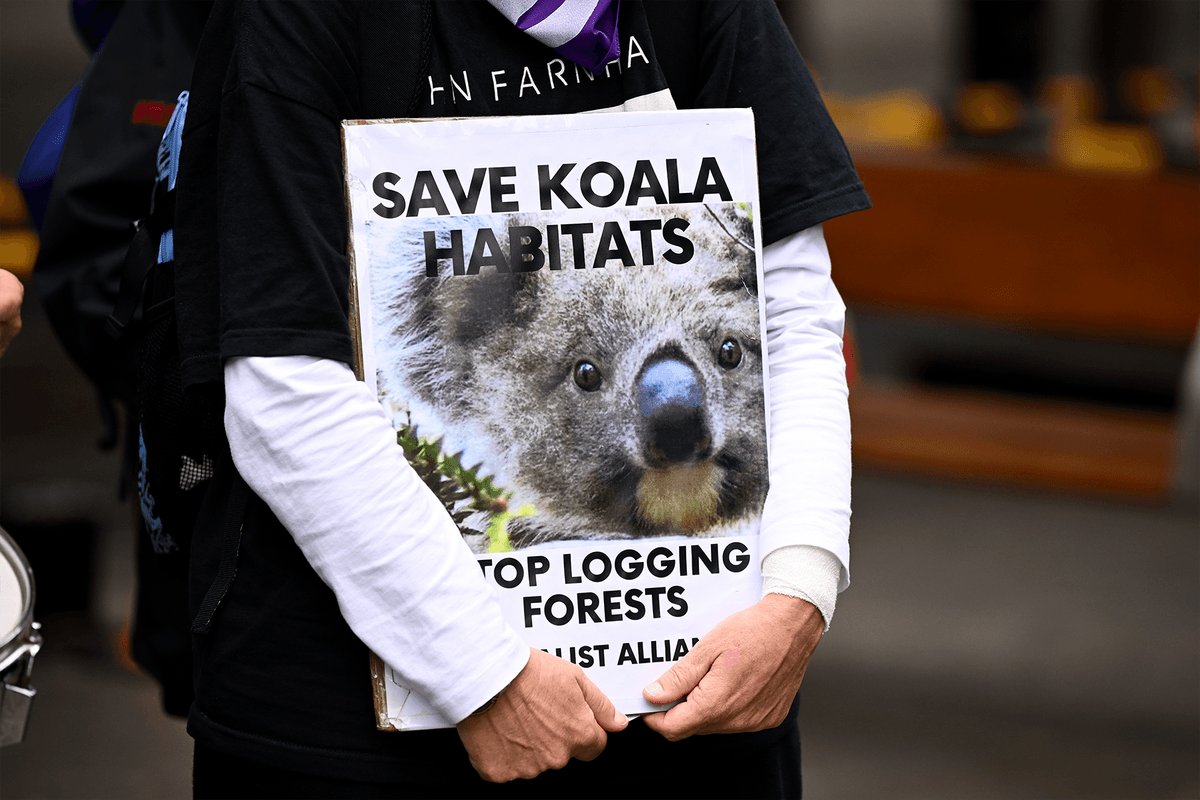
Photo: AAP Image/Dan Himbrechts


Environmental groups are launching a coordinated push to make native forest protection a national political issue, arguing communities can no longer be left to fight logging and clearing “one forest at a time”.
The Australia Institute has joined other national organisations such as the Australian Conservation Foundation, Wilderness Australia, the Bob Brown Foundation and the Wilderness Society, partnering with regional and grassroots groups to develop a common national strategy.
“With government failing to protect our forests, conservation organisations and grassroots groups are coming together to demand a national approach – because protecting Australia’s forests can’t be left to communities to fight one forest at a time,” said Melanie Audrey, the Wilderness Society’s Biodiversity Policy Campaign Manager.
Representatives from almost two dozen groups gathered in Canberra this week for a “historic meeting” to establish common forest protection principles that include calling for an immediate and permanent end to native forest logging, clearing and conversion.
More than 50 environment and climate groups have signed on to the campaign, which is also calling for stronger federal environment laws, despite the Albanese government passing its long-awaited reforms late last year.
“The conservation of the forests is one of the best ways we have to arrest climate change,” said former NSW environment minister Bob Debus.
“Strong community support will be the best way to get political action.”
They’re also pushing for an end to carbon offsets generated from public native forests, with the groups describing the Forest Protection Principles as a “shared roadmap” for protecting and restoring Australia’s native forests and setting out their long-term vision.
Quality research, analysis, explainers and factchecks from experts you can trust.
The Australian Conservation Foundation’s president Ros Harvey said protecting native forests was essential to tackling climate change.
“Native forests stop global warming,” she said.
“By coming together, we’re growing a people-powered movement to protect native forests and cut climate pollution.
“The public wants to see an end to native forest logging, and by working together, we’ll make it happen.”
Bob Brown Foundation campaigns director Jenny Weber said the groups were united in building resistance to ongoing native forest destruction.
“Native forest logging and clearing has zero social licence and it must be halted across the nation,” she said.
“Protecting native forests is an immediate solution to ensuring water security and addressing the extinction and climate crises we all face. Nationwide, all native forests need immediate protection without compromise.”
The alliance said its principles also recognise the need to restore ecosystems, respect First Nations rights and leadership, and recognise the “extraordinary benefits” native forests provide to people, wildlife and the climate.
It warned that continued logging would further jeopardise habitat for threatened wildlife, including greater gliders, quolls, owls, koalas, swift parrots and black cockatoos.

