

It isn’t always easy to keep up with what’s happening in the US. “Shorter America” is a series where Dr Emma Shortis loops you in on what’s going on in America and shares news and analysis that you can trust.
Fri 11 Sep 2026 12.33 AEST

Photo: The White House/Flickr
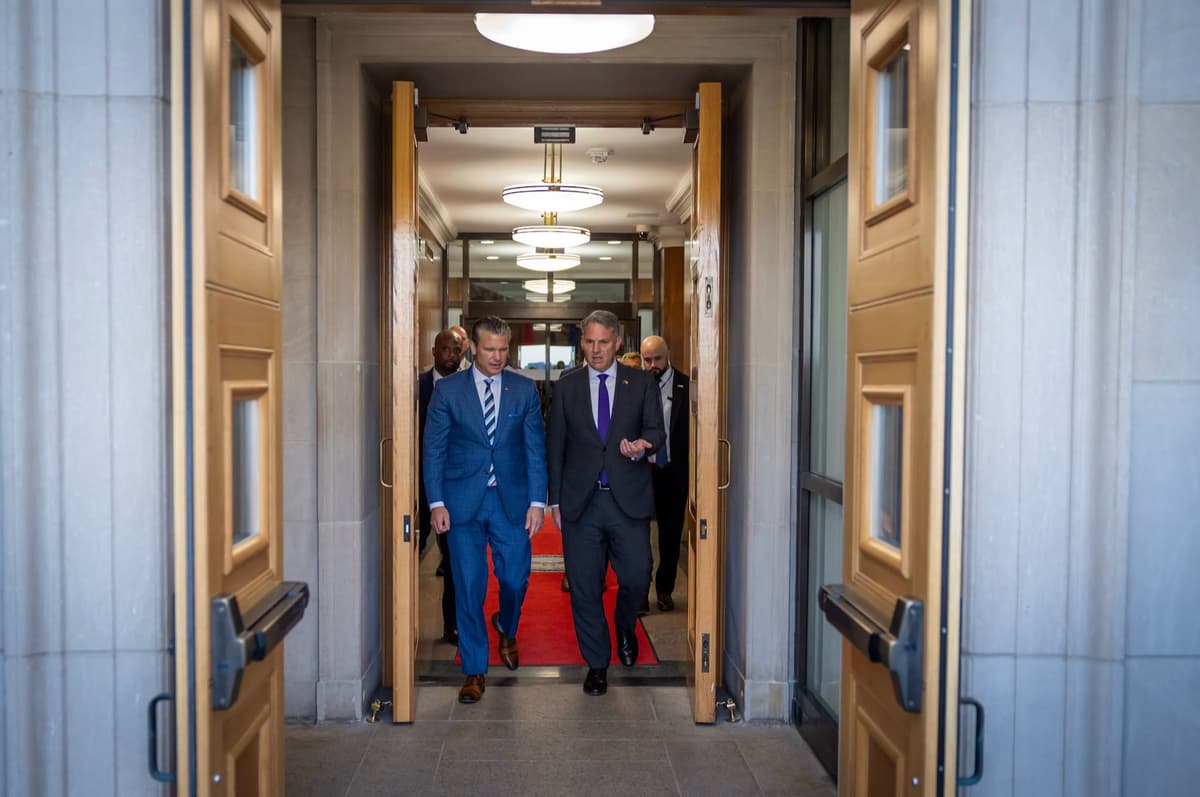
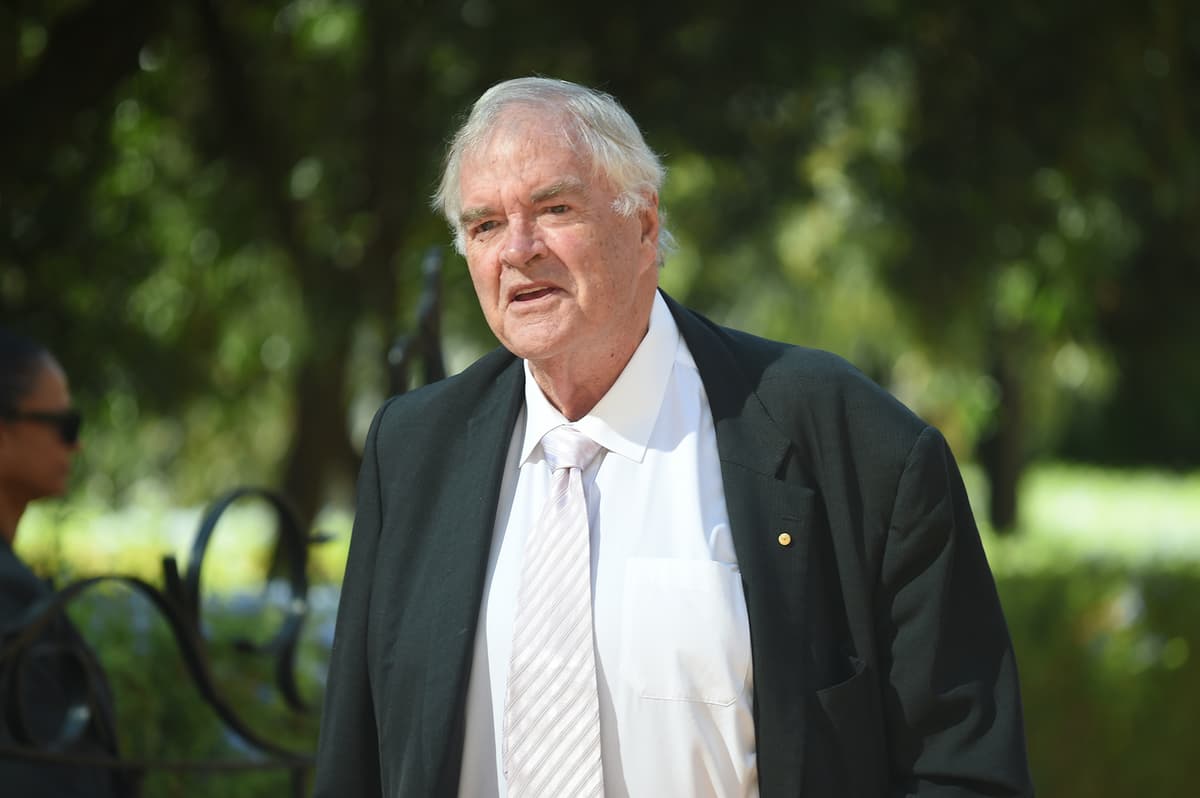
Former defence minister Kim Beazley expects the United States to deliver its promised Virginia-class submarines to Australia, arguing the country cannot afford to go it alone and would be left “substantially deafened and blinded” without the alliance.
It is a time of anniversaries: last week, it was the 75th anniversary of the ANZUS Treaty; this week, on the 25th anniversary of 9/11, it is also the anniversary of the first time that the Treaty was ever invoked.
To quote American novelist William Faulkner, “The past is never dead. It’s not even past.”
This week:
In a previous life, I taught American history at The University of Melbourne, and I often reflect on what it was like to watch something become history. 9/11 was the event that shaped my adolescent life – my first real experience of political mobilisation was the mass protests against the Bush administration’s war on Iraq. Over just a few years, I watched as my students went from vaguely remembering their parents or their teachers being very scared, to having no memory of it at all.
That event nevertheless continues to shape American politics. I return often to this 2021 Esquire long read from Tom Junod on “The Falling Man”. Published in the same year, Netflix’s Turning Point: 9/11 and the War on Terror is also brilliant.
As my colleague Allan Behm writes in The Point, “the damage of 9/11 is burnt deeply into the American psyche.”
Quality research, analysis, explainers and factchecks from experts you can trust.
As it is into ours. This week, the fight between Liberal MP Andrew Hastie and Pauline Hanson’s One Nation has been framed as a largely personal brawl – another run in the domestic political horse race.
It is really about serious and credible allegations of war crimes committed by an Australian during the War on Terror (which the alleged perpetrator denies). Refusing to have a reckoning with what that says about our relationship with the United States, Australia continues to support the WoT through our deep enmeshment with the American military-industrial complex. In case you missed it, Guardian Australia published an extraordinary piece the week documenting the breadth and depth of that enmeshment.
But as usual, the question is personalised and individualised in an effort to avoid the deeper, structural questions for our politics and our role in the world.
So too it is for the United States. On the anniversary of 9/11, Trump was at it again, telling weird and egregious lies about being pulled from the rubble, or whatever. As Parker Molloy outlines over at The Present Age: Trump “can’t stop lying about 9/11”.
At the equally weird mid-term convention he’s holding, and in the press, we can still see the long-tail of 9/11’s legacy in the deliberate and racist singling out of Michigan Senate Candidate Abdul El-Sayed.
It’s no coincidence that New York Mayor Zohran Mamdani faces similar, relentless attacks. That’s at least partly because he’s so good at identifying the deep hypocrisy at the heart of all this 9/11 bluster. In New York, Mamdani authorised the release of 170,000 documents outlining how the city didn’t take care of people in the aftermath of the attacks. As Mamdani said: “close to 25 years later, more people have died from 9/11-related illnesses than were killed on the day itself.”
Mamdani reminds us that the past is never past, and – perhaps more importantly – that another way is possible.


