Treasury has warned climate inaction will leave Australia’s future economy worse off, but young advocates say its 40-year economic forecast is “pointless” while the country continues to back fossil fuel projects.
The latest Intergenerational Report shows that Australia’s economy could be one percentage point higher in 2066 if the world meets its Paris climate goals, compared to a scenario where global warming exceeded 3°C.
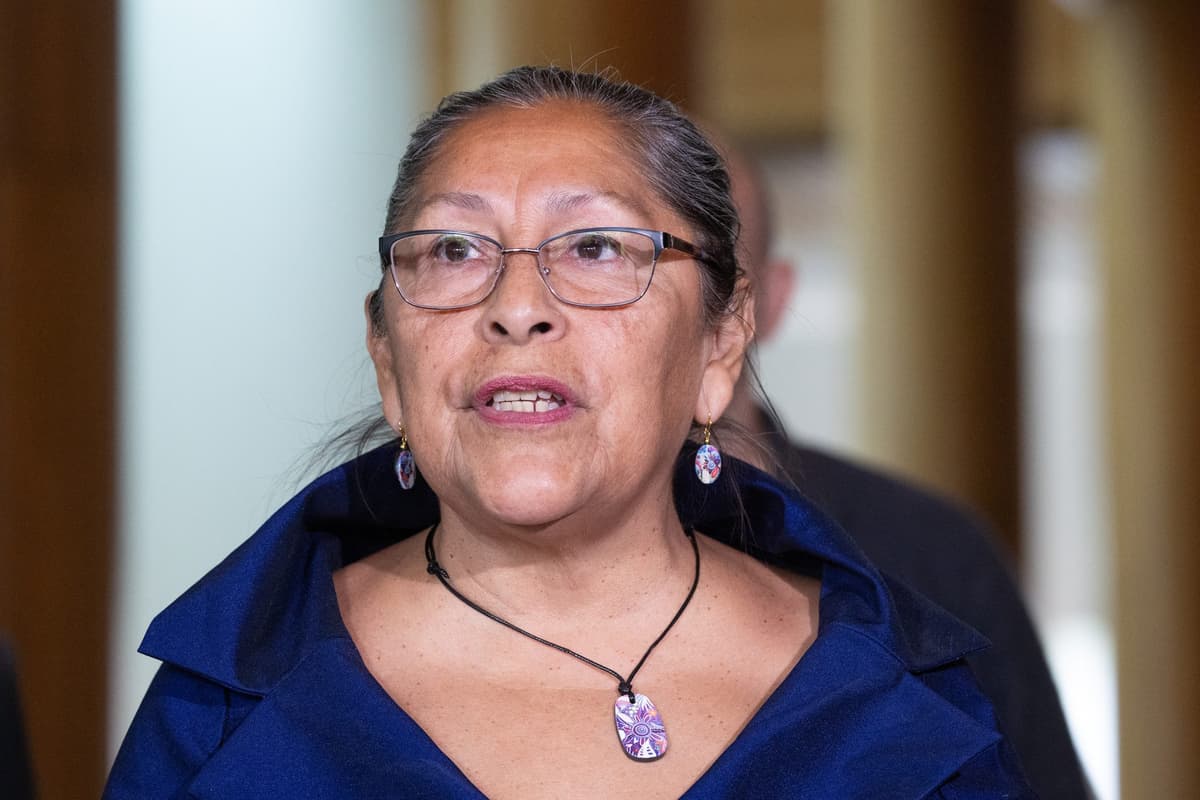
Anjali Sharma, who led a landmark class action against the federal environment minister as a teenager, said the forecast was meaningless without stronger action right now.
“The Treasurer’s Intergenerational Report is pointless,” she said.
“Young people won’t be looking at this report to know their future. What use is a report forecasting the next forty years by a government failing to tackle the greatest challenge of our time?”
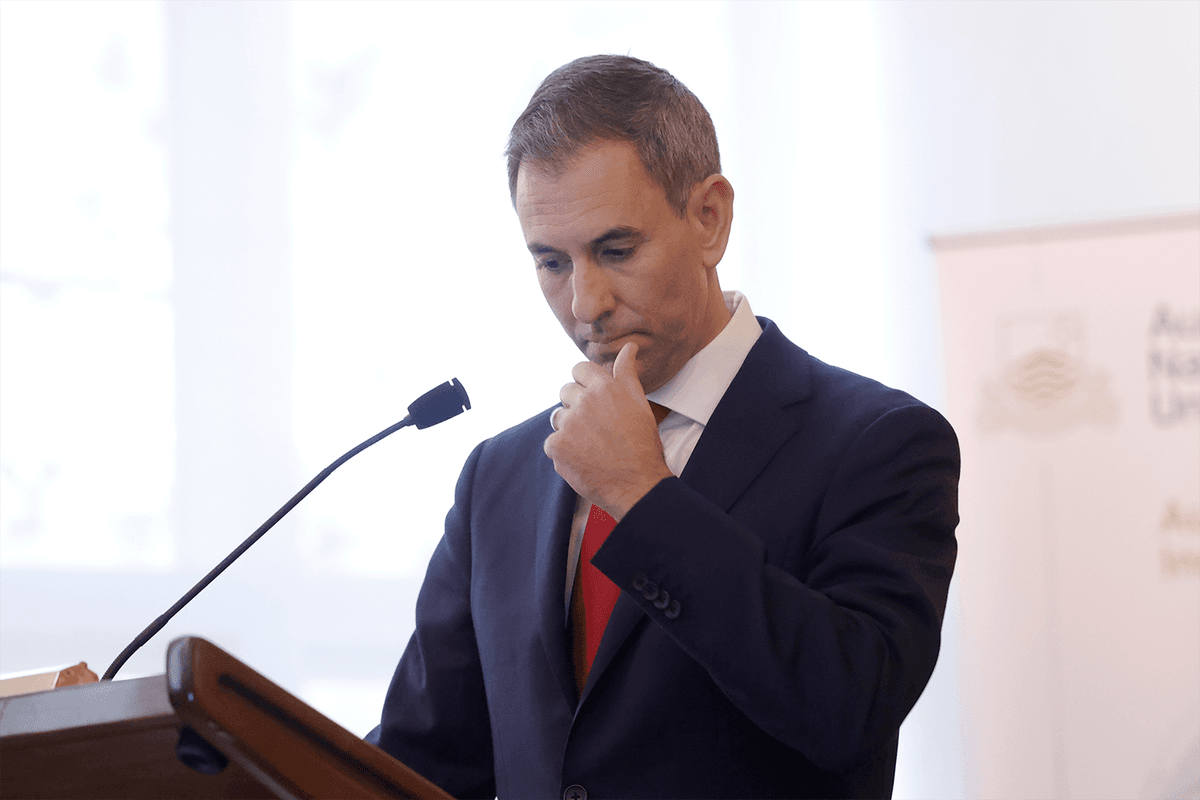
Treasurer Jim Chalmers handed down the report on Monday, setting out the government’s best estimate of what Australia will look like in 40 years.
It predicts the nation’s population will reach almost 40 million by 2066, with Australians living longer, healthier lives but having fewer children.
Mr Chalmers said the population was ageing more quickly than previously expected, driven by falling fertility rates, while the number of Australians aged 85 and over was projected to triple.
“Our population will change in shape and size, and faster than we previously thought,” he said.
The report predicts the shift to renewable energy and electrification will reshape household spending, with average annual energy costs potentially falling by 40 per cent between 2030 and 2050.
It estimates household that use solar power and electrify their home and vehicles could save around $4,300 a year.
However, while the economy is projected to be more than twice its current size, Parents for Climate warned the improved bottom line “hides a debt it doesn’t measure” – the cost of continued coal and gas expansion.
Get our newsletter
Quality research, analysis, explainers and factchecks from experts you can trust.
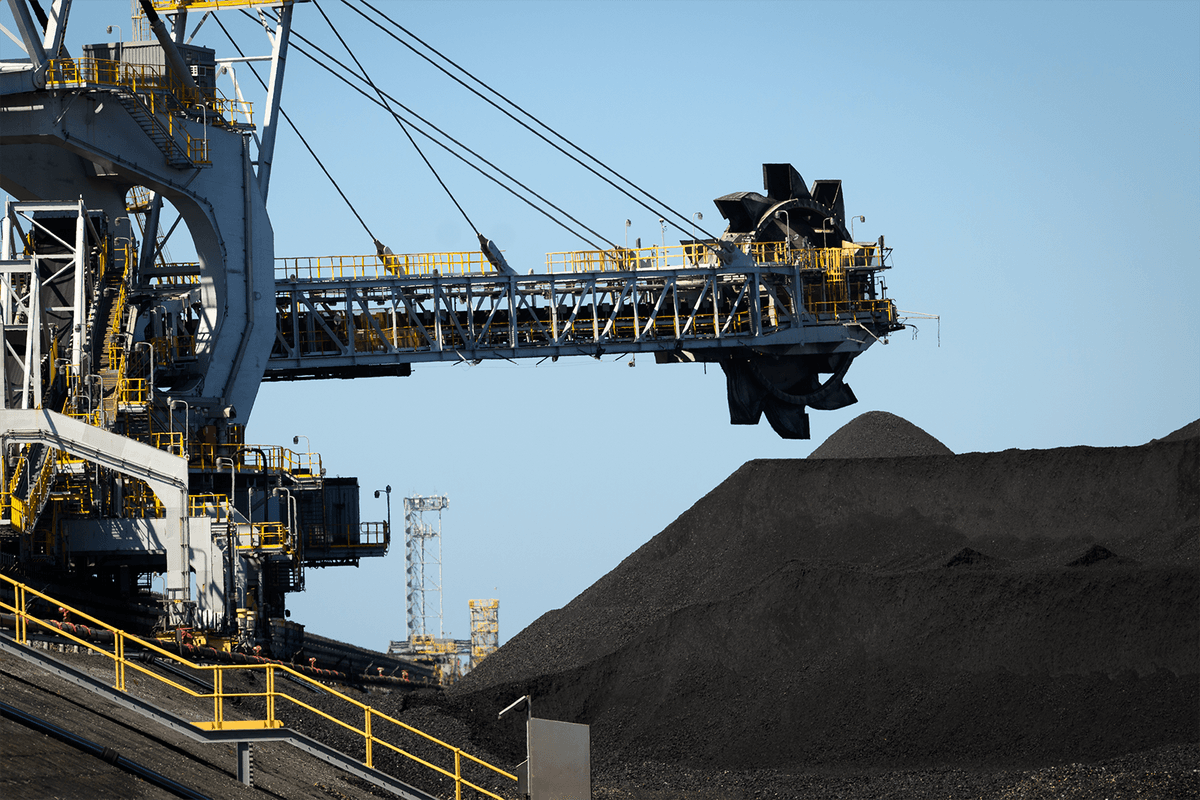
“A better-looking budget in 2066 means very little to a family who’s watching their insurance premiums climb, their grocery bill climb, and their sense of a safe future slip away because Australia continues mining and burning planet-heating coal and gas,” said the organisation’s CEO, Nic Seton.
“Treasury can balance a spreadsheet, but it can’t balance a childhood spent worrying about bushfires, floods and a future that feels smaller every year.”
He also questioned how the government could claim the budget would be better off when its own previous long-term modelling showed climate change could “hammer” the Australian economy by $135–$423 billion.
“You can’t then turn around and claim debt will magically be lower in 40 years’ time by ignoring inevitable spending on climate harm. Either you’re being honest about the cost of climate impacts, or you’re cooking the books,” he said.
Twenty-six-year-old veterinarian Shalinie Navaratne said more frequent and extreme weather events weren’t just hitting the younger generations’ pockets.
“The rapid progression of climate change has led to a loss of hope and increased anxiety about our futures, with it possible that the future we envision will not be that of reality,” she said.
“The lack of action from larger bodies such as corporations and governments has resulted in this acceleration and a loss of trust with the communities.”
UNICEF has warned that the “global failure” to confront global warming has created a “child rights crisis”.
Ms Sharma – an ACT Young Australian of the Year nominee – said governments must legislate a duty of care to protect young people and future generations to avoid “climate catastrophe”, arguing that without it, attempts to forecast the future were futile.
“No more empty promises of intergenerational fairness,” she said.
“We want serious protections for our future now.”