A Senate inquiry has called on the federal government to consider taking Triple Zero out of Telstra’s hands and placing it under government control in a damning report examining “catastrophic” emergency-call failures.
The Senate Environment and Communications References Committee investigated numerous incidents affecting access to Triple Zero during its almost 11-month inquiry, which was sparked by the 18 September 2025 Optus outage.
The disruption affected access to Triple Zero and the alternate 112 emergency number across four jurisdictions for more than 14 hours.
During that time, 605 Triple Zero calls were potentially impacted, with 455 appearing not to have connected.
Optus ultimately said the incident was linked to two deaths, although coronial investigations are still underway.
“Successive telecommunication outages have shown that privatisation is not a suitable model for essential services like Triple Zero,” the inquiry report stated.
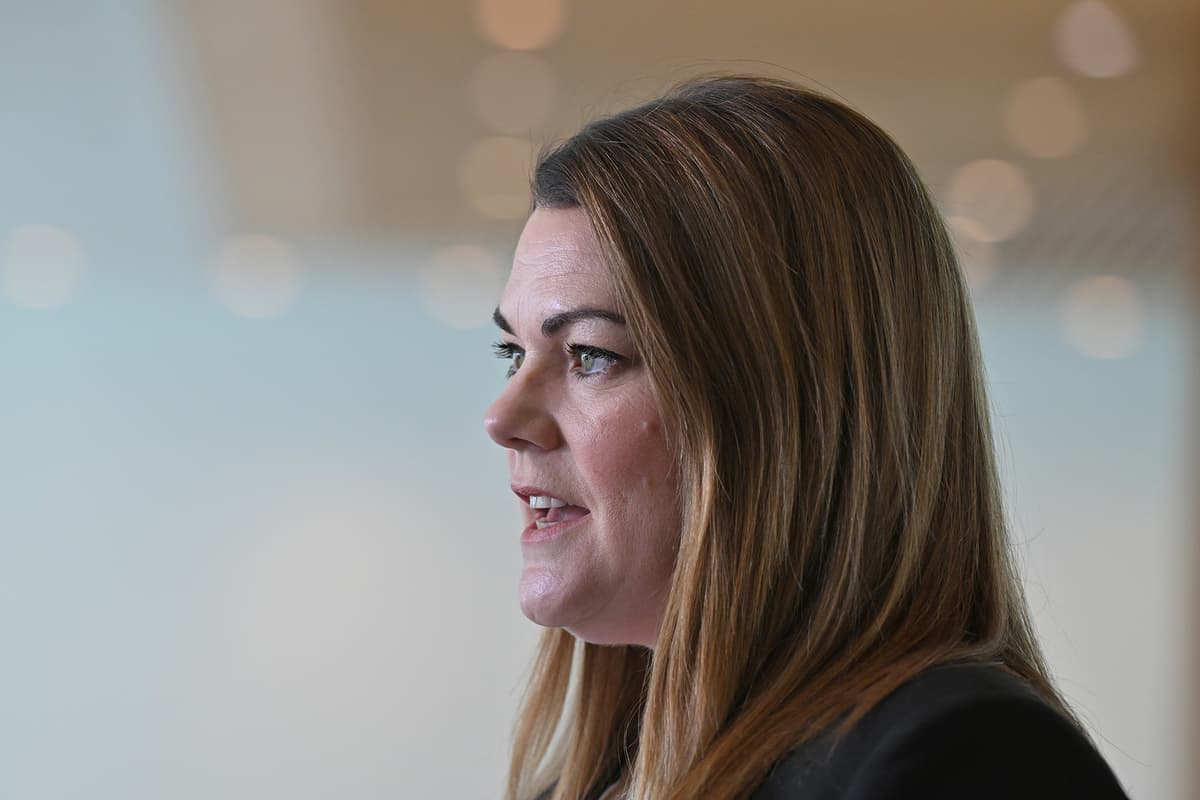
Committee chair Senator Sarah Hanson-Young noted that Telstra and TPG had also “let down” their customers.
“With the litany of outages, we have seen millions of Australians affected. Something needs to change,” she said.
The committee recommended that the government consider establishing a statutory authority to take over the central Triple Zero function, currently performed by Telstra.
“Triple Zero is an essential service, it is often a matter of life or death for people. We can no longer allow it to be left to private companies to ensure the functioning of Triple Zero. Companies that put profits ahead of people should not be left to manage emergency services,” Senator Hanson-Young said.
“Nationalising Triple Zero must be top of the Government’s to-do list. Putting this emergency service back into public hands will ensure more accountability and more investment in protecting Australians.”
Get our newsletter
Quality research, analysis, explainers and factchecks from experts you can trust.
The committee also called for mandatory domestic mobile roaming, which would allow customers to make calls and send texts through another provider’s network when their own was unavailable or had no coverage.
It also recommended a reliable text-based way to contact Triple Zero, mandatory network reliability standards, substantial civil penalties for telecommunication companies that fail to comply and an automatic compensation scheme for people affected by outages.
The roaming proposal echoed a similar call by the Australian Communications Consumer Action Network (ACCAN).
However, Labor senators opposed the recommendation, arguing it isn’t “necessarily the best means” of improving Triple Zero access.
Coalition senators also declined to support immediate enforcement, noting the Australian Competition and Consumer Commission (ACCC) should complete its Mobile Services Inquiry first.
“Domestic roaming is already a reality around the world in countries like New Zealand, Canada and Europe. Australia must join these countries and ensure that we have a telecommunications network fit for the 21st century,” Senator Hanson-Young said.
“ACMA (Australian Communications and Media Authority) have utterly failed in their role to regulate the telcos and shown they are more of a lap dog than a watchdog.
“Throughout the inquiry, the committee heard of repeated failure to conduct basic due diligence or act with the level of concern of urgency that regulating an emergency service like Triple Zero requires.”
The committee said it was “particularly alarmed” by evidence presented by independent reviewer Dr Kerry Schott, who found that there was “a culture of … carelessness” as well as a “lack of risk management” within Optus Networks.
“This is shocking and unacceptable, especially for a company of Optus’ size and maturity which has responsibility for the provision of essential telecommunications services,” the report stated.
The ACMA launched legal action against Optus over the September 2025 disruption in July 2026, alleging breaches of emergency-call regulations.