

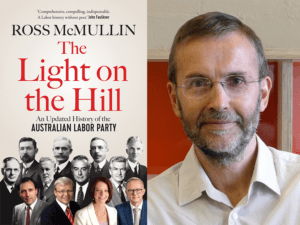
A review of The Light on the Hill: an updated history of the Australian Labor Party
This is a a review of The Light on the Hill: an updated history of the Australian Labor Party, by Dr Michael McKernan.
Victoria’s anti-corruption watchdog has been given new powers to investigate non-criminal misconduct and trace public money into private organisations, as part of the Labor Government’s broader reform push ahead of the November election.
Fri 2 Oct 2026 09.20 AEST
Photo: AAP Image/Julian Smith
This is a a review of The Light on the Hill: an updated history of the Australian Labor Party, by Dr Michael McKernan.
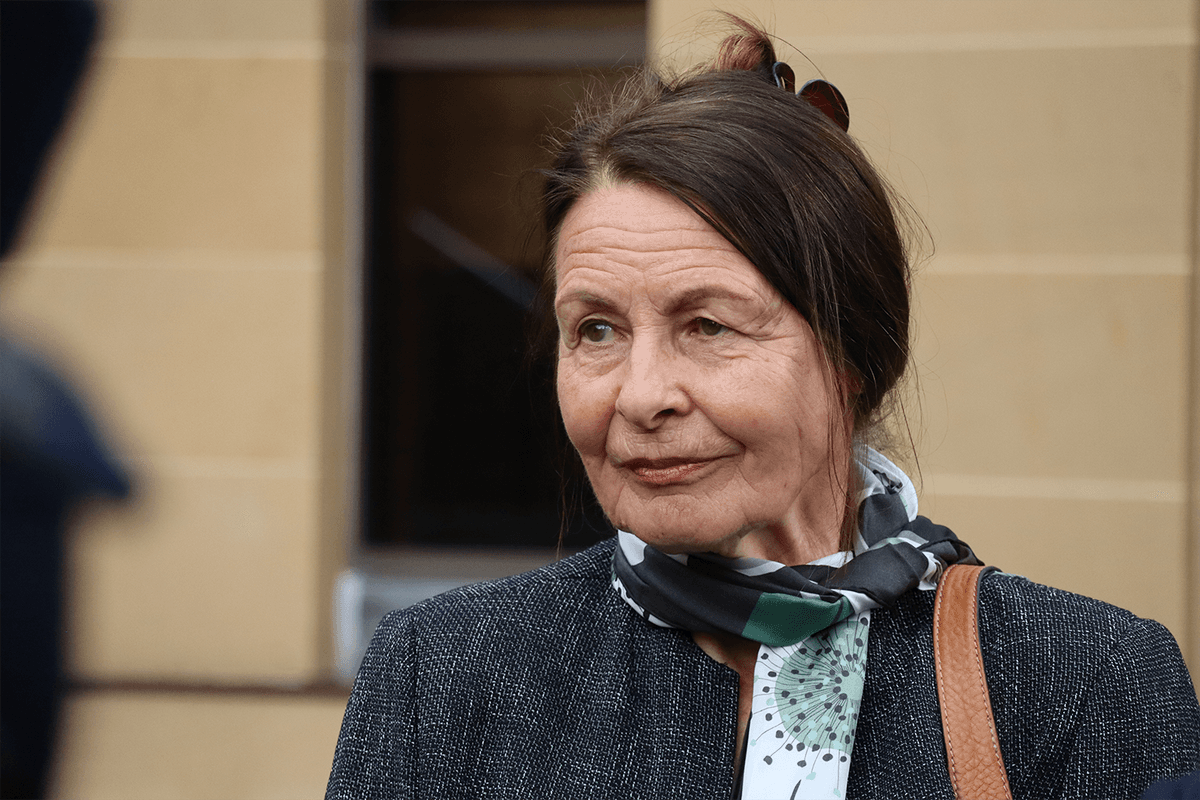
‘AI hallucinations’ contained in a document used by Tasmania’s parole board have helped overturn a media ban on Sue Neill-Fraser, the woman found guilty of killing her partner onboard a yacht.
Victoria’s anti-corruption watchdog has been given new powers to investigate non-criminal misconduct and trace public money into private organisations, as part of the Labor Government’s broader reform push ahead of the November election.
The new integrity laws, passed by the Victorian Parliament in September, give the Independent Broad-based Anti-corruption Commission (IBAC) the ability to “follow the dollar” and investigate non-government entities, including subcontractors that receive public money.
IBAC had long pushed for the powers, arguing it could rarely investigate suspected corruption involving subcontractors without a direct link to the actions of a public officer or body.
“With ‘broad-based’ in the name, you might assume the IBAC has a wide remit – but its powers are limited compared to peers like the NSW Independent Commission Against Corruption,” said Bill Browne, director of the Australia Institute’s Democracy & Accountability Program.
“Sharper teeth for Victoria’s anti-corruption watchdog will help ensure that the state is well-governed and that public money is spent well.”
The new laws also broaden the definition of corrupt conduct to cover serious disciplinary matters, including serious misconduct and conduct worthy of termination.
Previously, IBAC needed reasonable grounds to suspect a ‘relevant criminal offence’ before investigating public sector corruption, a requirement it said restricted scrutiny of a “wide range of ethical or integrity-compromising behaviours”.
“Behaviours such as breaching a code of conduct or policies, showing favouritism, improperly influencing decisions, or not managing a conflict of interest – the sort of conduct that someone would lose their job over, but is not criminal – IBAC cannot currently investigate,” wrote Melinda Stuart-Adams, IBAC’s executive director of legal and compliance, in a July 1 article posted on the commission’s website.
“This restricts IBAC’s ability to address the underlying integrity risks that can precede or contribute to corrupt conduct – it could be a missed opportunity to address serious conduct, before it escalates to criminal corruption.”
“Cronyism and misuse of public resources may not be illegal, but they can amount to corruption and should be investigated,” said Mr Browne, who last year called for stronger IBAC powers as part of a broader plan to improve integrity in Victoria.
Retired IBAC commissioner Robert Redlich had called for more public hearings and a broader definition of corruption, covering non-criminal conduct.
Quality research, analysis, explainers and factchecks from experts you can trust.
However, when the Liberal–National Coalition and Greens tried in 2023 to strengthen IBAC in response to earlier warnings from Mr Redlich, Labor voted the reforms down.
The Greens made another unsuccessful attempt earlier this year but were again blocked by the Labor government.
Victorian Ombudsman Marlo Baragwanath has accused the Victorian public service of having a decade-long integrity problem, and criticised the management of the state’s Big Build infrastructure program.
In his first move as premier, Mr Carroll called a royal commission into the construction sector and promised to fast-track greater powers for IBAC, declaring, “In my government, integrity will not be optional”.
Mr Browne said there had been modest integrity reforms this year.
“This year has also seen Victoria somewhat improve its political finance laws – if only because it was forced to do so after the original laws were proven to be unconstitutional,” he said.
“But there is still much to do in the integrity space – including truth in political advertising laws, protected funding for integrity agencies like the IBAC and more transparency for government documents.”
The changes are part of a broader Labor push for reform.
“With the state election approaching fast, the Victorian Government has adopted some new progressive policies and reforms – including taking a health-led response to mental illness crises, renewable energy requirements for data centres and unmasking ‘trolls’ who are abusive online,” said Mr Browne.
The Victorian state election will be held on 28 November 2026.


