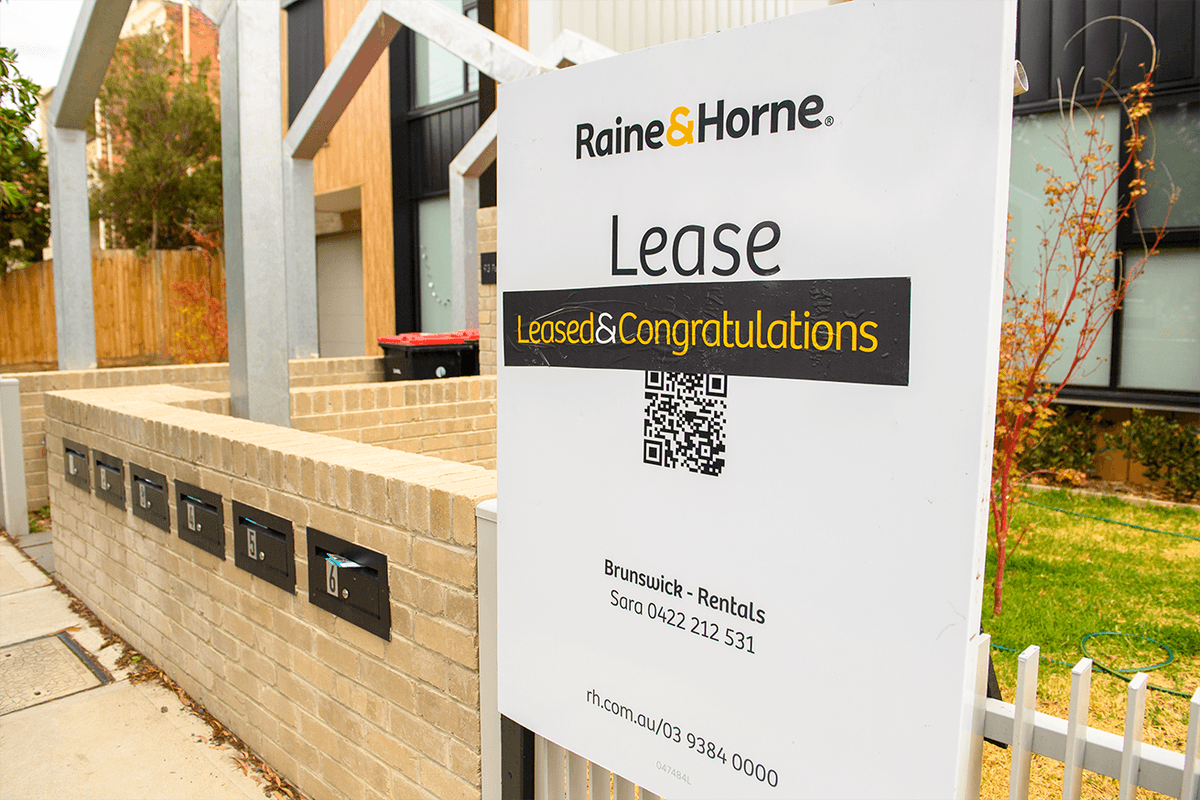
Australia’s rental crisis is a policy choice, not an unavoidable consequence of market forces, a Senate inquiry has heard, with advocates arguing governments are failing to deliver the stability, affordability and security people deserve from a home.
Better Renting chief executive Angela Cartwright told the inquiry into intergenerational housing inequity that tax reform was “absolutely critical” to fixing the system that now sees one in three Australian households renting.
“For many, many years we’ve seen people wringing their hands and furrowing their brows about the housing crisis while maintaining the very policies that have maintained and even exacerbated inequity,” she said.
“This is systemic … it is the responsibility of governments to fix.”
Mirabelle Summers, a tenant and volunteer at Better Renting, told the public hearing in Sydney that Australia needed to stop treating renting as a temporary stepping stone and recognise it as a legitimate long-term way of living.
“Our system needs to shift into renting being something that people can do for life,” said Ms Summers.
“Not everybody has the desire to own a home.”
“Renting can provide people with flexibility, but that shouldn’t come with instability.”
Better Renting argued the system itself was broken, with current tax settings encouraging what it described as “hobby landlords”.
Ms Cartwright said the capital gains tax discount, coupled with negative gearing, is “supercharging” the way Australians buy and sell property.
“What these policies have done is prioritised short-term speculative investment,” she said.
She argued this had led to great instability for renters, who often reported having to move because their landlord was selling, citing research by the Australian Housing and Urban Research Institute (AHURI), which found almost a quarter (22 per cent) of landlords sell after the first year.
It also showed half of all residential property investments lasted for just two years.
Better Renting said reform was needed across four areas: stability, affordability, comfort, and accountability.
“Renting should be treated like all other essential services,” said Ms Cartwright.
“We focus so much on affordability but it’s that quality-of-life dimension that people often take for granted when they own a property,” she said.
“The ability to put up proper curtains that might actually fit the windows properly or go to the ceiling.”
She argued renters also have numerous other higher costs, noting Australia had “very, very poor regulations” in terms of minimum energy efficiency standards.
Ms Cartwright said maintenance and repairs were also an issue.
“If you’re holding a home for a couple of years, you’re probably not going to bother too much with maintenance,” she said.
“We hear all the time from renters, they’re too scared even to ask for the repairs, because they might get another rent increase.”
It’s a problem Ms Summers knows all too well.
She told the inquiry that she had lived in 14 rental properties in her 19 years and watched her family’s housing situation deteriorate as rents escalated.
“The whole reason that I moved out of home is because it was actually affecting our quality of life and our relationships as a family,” she said.
She said while the World Health Organisation defines a healthy indoor temperature as between 18 and 24 degrees Celsius, temperatures in her rental home remained above 27 degrees on most summer nights, reaching as high as 35.5 degrees at 10pm.
“It was affecting our quality of life, our ability to stay in our home, our comfort, our ability to cook – that’s just adding heat,” she said.
She researched different options and prices and was told the landlord would install blackout blinds, but it would incur a cost of up to $50 extra a fortnight, which would price them out of the market.
“So, we have decided to settle for a lesser increase and suffer through the summer again,” she said.
Better Renting called for the Australian government to take leadership and consider incentives for landlords to undertake energy efficiency upgrades to their property.
Ms Cartwright told the inquiry many renters supported higher minimum standards but feared landlords would simply pass the cost on through higher rents.
She said many also supported fair incentive schemes encouraged landlords to improve energy efficiency, arguing the upgrades benefited tenants, landlords and the environment.
“The critical part has to be that any financial incentives from taxpayer funds have to be supported by protections for renters that are stronger against eviction and rent increases,” she said.
The housing justice charity also called for more investment in public housing.
Mr Cartwright said increasing public and “genuinely affordable” housing would help people in housing stress while also easing pressure on rents across the broader private market.
“From an equity systemic perspective, there is no better or more important way to improve equity than addressing the shortfall in public housing.”