The Albanese government is being urged to use its little-known powers to overturn the Reserve Bank of Australia’s latest interest rate rise amid warnings it risks pushing the country into an avoidable recession.
By Tegan George
Wed 25 Nov 2026 15.24 AEDT
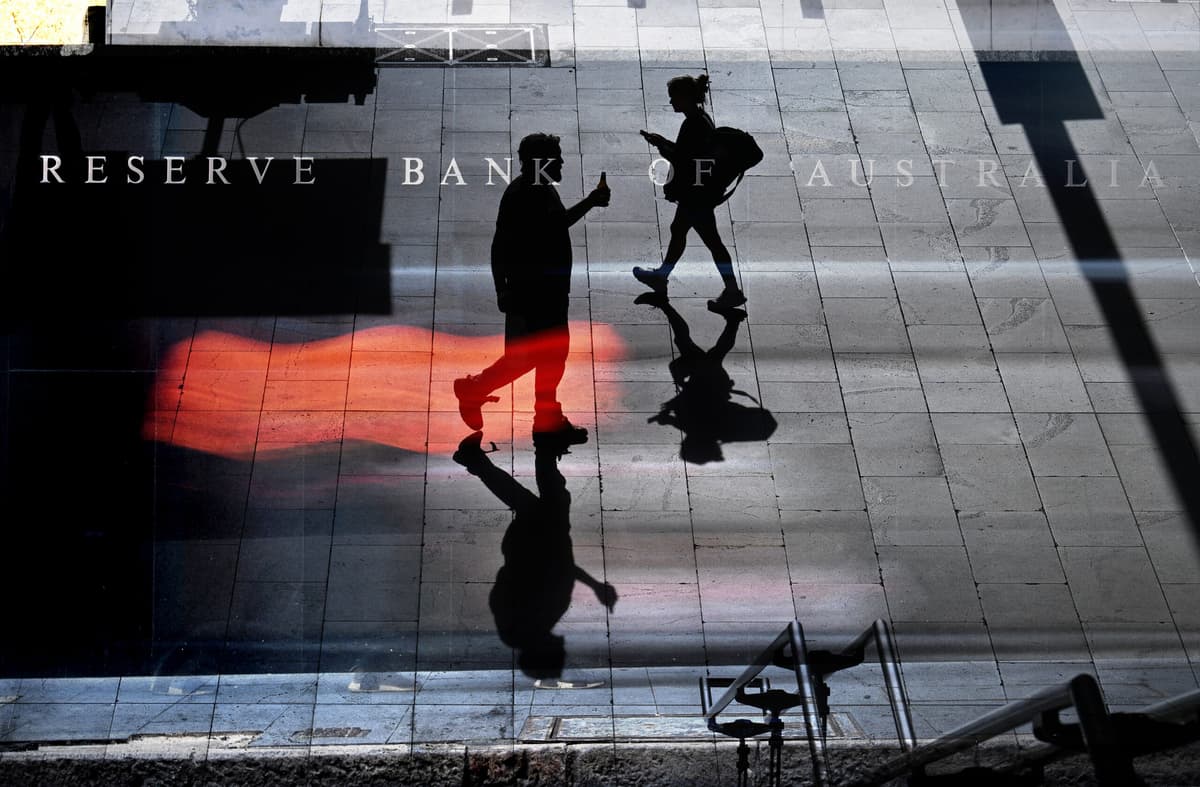
Photo: AAP Image/James Ross, Joel Carrett


The Albanese government is being urged to use its little-known powers to overturn the Reserve Bank of Australia’s latest interest rate rise amid warnings it risks pushing the country into an avoidable recession.
Interest rates have increased five times this year, bringing the official cash rate to 4.85 per cent – the highest level since 2008.
The government’s power to overrule the RBA has never been exercised, with Treasurer Jim Chalmers even seeking to abolish it.
He backed down in 2024 following opposition from the Coalition, the Greens and former RBA leaders, announcing: “We are prepared to limit the parliament’s override powers to emergency situations, to rare instances.”
The Australia Institute argues that if ever there was a time to exercise the power, it’s now.
“Overriding the Reserve Bank is a serious step, but so is standing by while high interest rates cause unnecessary economic damage, particularly when the government has the power to change course,” said the Australia Institute’s Chief Economist, Greg Jericho.
“If the risk of an avoidable recession isn’t a reason to use that power, what is?”
The country’s unemployment rate rose to 4.9 per cent in October, with the figures released just weeks after the RBA’s latest rate rise on Melbourne Cup Day.
The central bank had forecast unemployment wouldn’t reach that level until the final quarter of next year.
Quality research, analysis, explainers and factchecks from experts you can trust.
The Australia Institute said the RBA is too focused on bringing down inflation at the expense of jobs and the broader economy.
“The point of bringing inflation down is to protect living standards, not to drive households into the ground,” said Mr Jericho.
“With unemployment rising, households cutting back and the economy slowing, the Reserve Bank’s decision to hit the brakes even harder risks pushing us into a recession.”
Research by the Australia Institute found rate rises aren’t addressing some of the key drivers of inflation, with rising fuel prices accounting for 32 per cent of the increase in the consumer price index since February.
Data centre construction was identified as another source of inflationary pressure.
Economists are predicting the RBA will leave rates on hold at its December meeting, pointing to a split vote over the increase in November.
Minutes from the meeting showed six members of the RBA’s Monetary Policy Board voted in favour of the increase, while three preferred to leave rates unchanged, citing concerns the economy could be approaching a “materially sharper downturn”.
The Australia Institute’s call for the government to intervene comes as polling in the Prime Minister’s electorate of Grayndler found that just one in six voters (16 per cent) knows the government has the power to overrule the RBA on its interest rate decisions.
“The government has the power to overturn this rate rise before more people lose their jobs and households already struggling to make ends meet are pushed further into hardship,” Mr Jericho said.

