

Productivity, New Technologies, Working Time
This is an edited version of a speech delivered by Greg Jericho (Chief Economist at The Australia Institute) at the Academy for Social Science in Australia Annual Symposium.

The Senate is being urged to back tax reforms targeting wealthy Australians amid concerns that looming government spending cuts could impact those already struggling to make ends meet.
By Tegan George
Tue 24 Nov 2026 16.36 AEDT
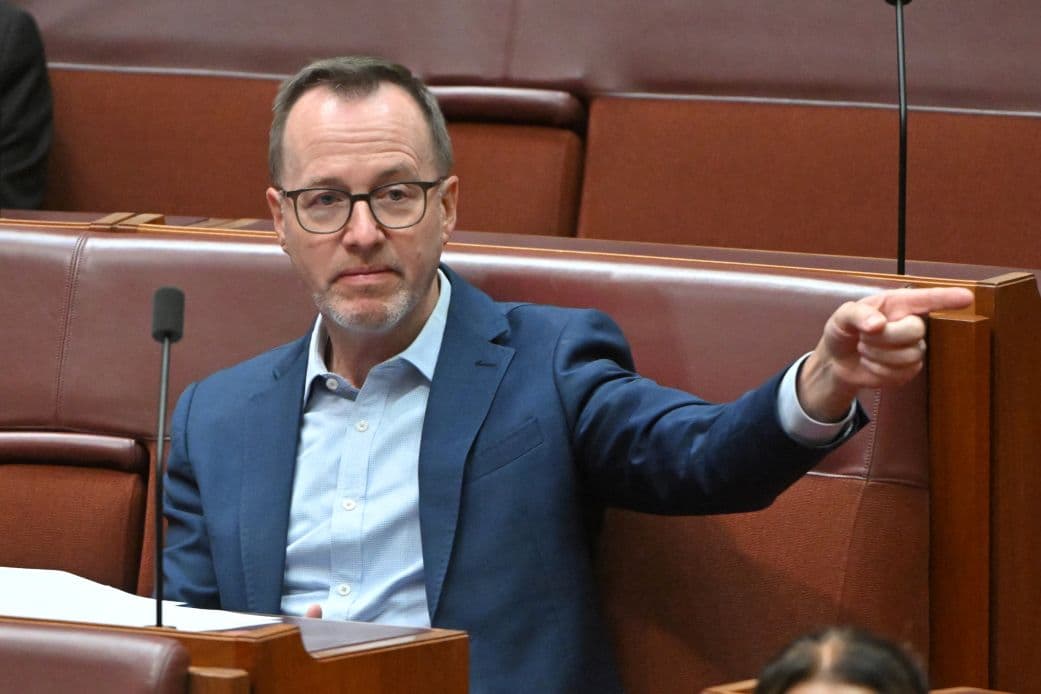
Photo: AAP Image/Mick Tsikas


Australia's gender pay gap has fallen to a record low. This year, the pay gap is 19.7%, which means that for every dollar men earn, women earn just over 80 cents. Over a year, this adds up to an average difference of $27,467.
This is an edited version of a speech delivered by Greg Jericho (Chief Economist at The Australia Institute) at the Academy for Social Science in Australia Annual Symposium.
The Senate is being urged to back tax reforms targeting wealthy Australians amid concerns that looming government spending cuts could impact those already struggling to make ends meet.
Senators are expected to vote this week on reforms to introduce a minimum tax rate of 30 per cent on the net income of discretionary trusts, which would take effect from 1 July 2028.
“Taxing trusts has been a goal for economists and tax reformers for decades,” said Greg Jericho, the Australia Institute’s Chief Economist.
“With rising inequity and a cost-of-living crisis, there’s no better time than now to pass these much-needed reforms.”
The bill passed the House of Representatives last month but faces a challenge in the Senate.
The Coalition has called for the proposed 30 per cent minimum tax rate to be scrapped, arguing it would adversely affect small and family businesses, forcing them to undertake costly and complex restructuring.
It means the passage of the bill hinges on the Greens.
While the minor party has indicated it would back the bill, the ABC reports that it wants the government to restrict tax exemptions under the legislation to registered charities and commit to examining broader reforms of the charities sector.
Quality research, analysis, explainers and factchecks from experts you can trust.
Greens senators have also indicated broad support for another major tax bill about to go before the Senate, which would give eligible start-ups an exemption from new capital gains tax rules.
In October, during his address at the Australia Institute’s Bernie Fraser Oration, Treasurer Jim Chalmers confirmed that the government was preparing a new savings package for its mid-year budget update.
“Before we start cutting the services Australians rely on, we need to collect more tax from those who can most afford to pay,” said Mr Jericho.
“Most Australians earn their income by going to work and paying tax on their wages. They don’t get to divide their salary between family members to reduce their tax bill. Discretionary trusts give wealthy Australians opportunities to do just that.”
Treasury estimates that Australia’s top 10 per cent of income earners receive around 63 per cent of trust income.
Mr Jericho said making the taxation of trusts fairer was a sensible way to raise revenue.
“Australians doing it tough rely on public services the most. Cutting those services means asking people already struggling to pay the price for a budget problem they did not create,” he said.
“The government deserves credit for pursuing these reforms and the Senate has an opportunity to pass this historic reform to make our tax system fairer.”