The Consumer Price Index (CPI) for the month of September has just been released, and it shows that inflation has gone up to 4.6%. This increase has been driven by increasing fuel prices.
Wed 28 Oct 2026 14.47 AEDT
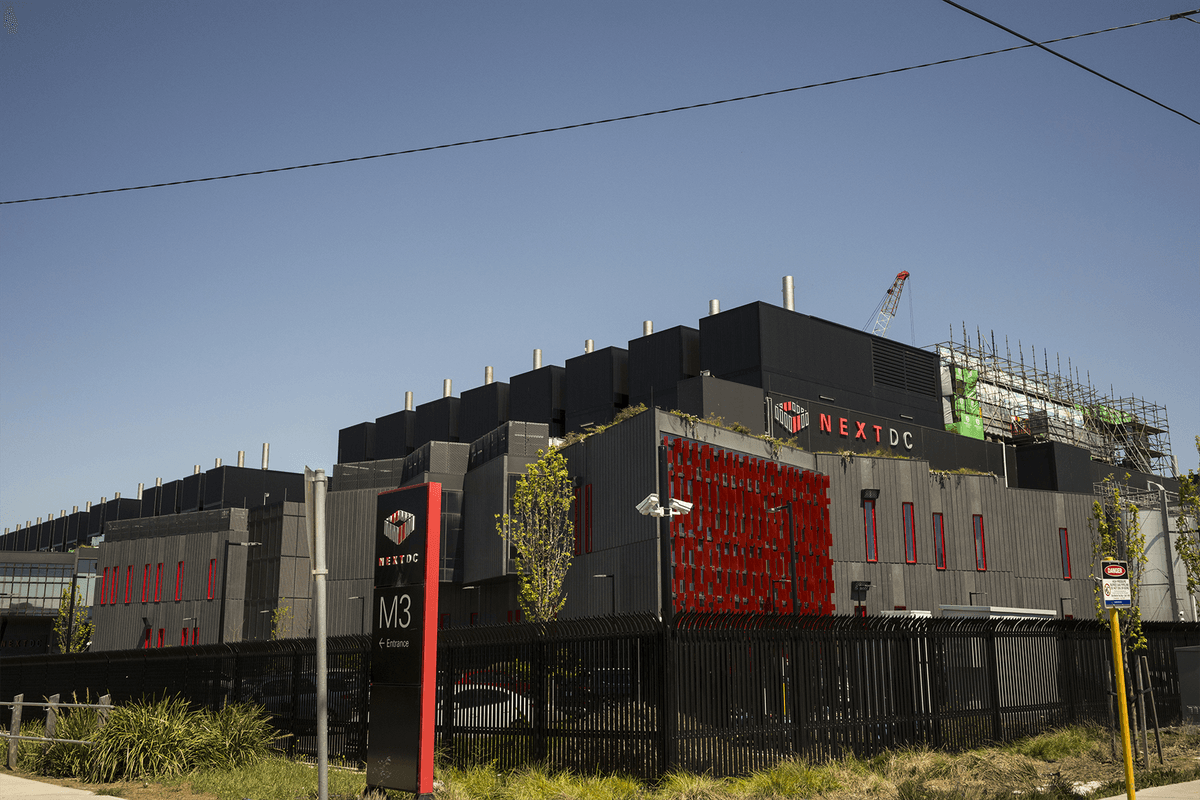
Photo: AAP Image/Christopher Hopkins


The Consumer Price Index (CPI) for the month of September has just been released, and it shows that inflation has gone up to 4.6%. This increase has been driven by increasing fuel prices.
We can see this by going back to March this year when there was a massive jump in inflation, after the US and Israel attacked Iran. World oil prices soared and the CPI increased to 4.6%. But after this initial increase, the world oil price fell back down as the market hoped that Trump might make a quick deal.
The result was that after the initial jump in March 2026 to 4.6%, the CPI followed the world price of oil and fell each month after that until it was 3.5% in July.
But then the world price of oil jumped back up as it became clear that there was not going to be a deal in the short term. This pushed inflation back up. From 3.5% in July, to 4.3% in the latest figures for September.
But if you look at the latest figures and compare them to the low point in July, you can see that all the increase has come from increased fuel costs. Removing automotive fuel shows inflation has been largely flat since July.
After the release of the September CPI, the higher inflation number has got a lot of people excited about the prospect of an interest rate increase in November. But we need to remember that higher interest rates will do nothing to bring down the world price of oil.
Even the RBA acknowledges this. They claim that while higher interest rates can’t slow price increases, it can make the RBA look tough on inflation and convince people that inflation is likely to come down soon. They call this anchoring inflationary expectations.
No. On the same day the latest inflation data came out, Deputy Governor of the RBA Andrew Hauser told Senate estimates that a surprising feature of the post-COVID period is how well anchored inflationary expectations remain.
And yet they’re still increasing interest rates and there is talk of more rises to come.
Quality research, analysis, explainers and factchecks from experts you can trust.
But there is another emerging source of inflation that is starting to show up in the CPI figures: the massive investment in data centres.
The latest CPI showed a jump in games, toys and hobbies, which the ABS says was driven by the increase in the price of computer memory and storage components.
The prices of consoles and computer game PCs have been increasing because data centres are buying up all the graphics and memory chips across the world.
And this is just one way data centres are pushing up prices.
Data centre investment is also likely to push up prices by making home construction more expensive, as workers are drawn away from building houses, to instead build sheds to house data centres.
Building homes for computer chips pays much better than homes for people.
As more data centres come online, it is also likely to push up electricity prices and possibly even water prices.
And even though higher interest rates won’t stop the rollout of data centres, only governments can really do that, the higher inflation caused by this rollout may well be used as a reason to increase interest rates.
If the RBA does increase interest rates in November, remember this. It is not going to reduce inflation. Inflation is being driven by high oil prices and, increasingly, the massive investment in data centres.
Higher interest rates will fix neither of these things. They will just make the RBA look tough on inflation and cause misery for millions of households.

