Who would have thought it possible? The Government is reportedly going cap-in-hand to the corporate sector to fund its most recent foray into “soft diplomacy” – the PNG Chiefs NRL team.

Mon 1 Dec 2025 22.19 AEDT
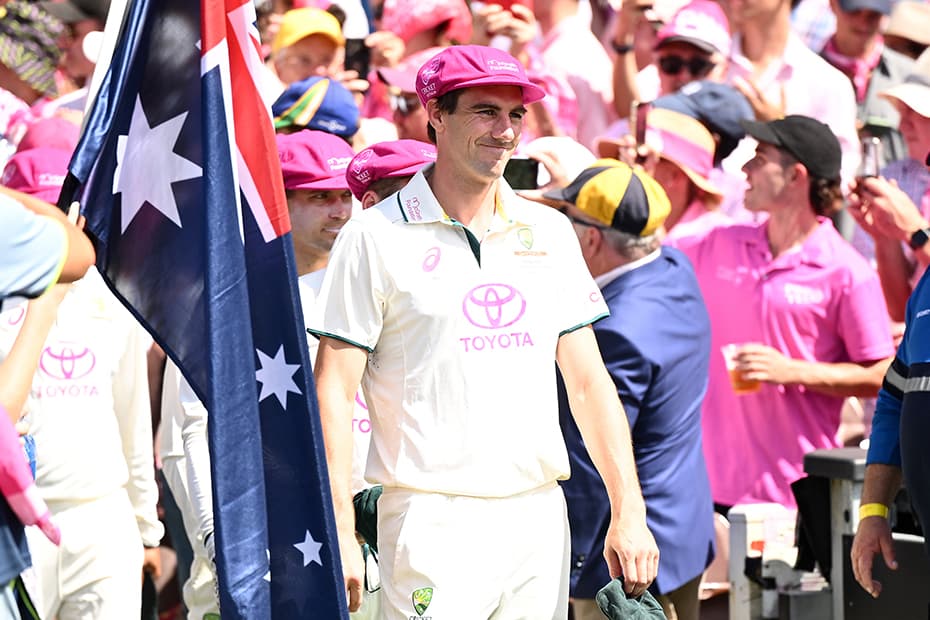
Photo: AAP Image/Dan Himbrechts


Who would have thought it possible? The Government is reportedly going cap-in-hand to the corporate sector to fund its most recent foray into “soft diplomacy” – the PNG Chiefs NRL team.
Companies such as Westpac have been asked to stump up the cash required to back Australia’s latest China containment strategy – a $600 million 10-year strategy to place rugby league at the centre of countering Beijing’s influence in the Pacific.
Just how the corporate sector’s objectives – profits – align with the Government’s policy to neutralise China is uncertain, though a large lick of taxpayer money would doubtless help. And it is not that Westpac lacks form in this game. As the Australia Institute has reported previously, Westpac (along with the co-contributors) contributes less than seven percent of the annual operating cost of the ostentatiously branded Westpac Rescue Helicopter in norther NSW, which costs over $50 million a year. The NSW taxpayer contributes the lion’s share, though an unsuspecting public believes otherwise.
Westpac takes the credit, and the NSW government meets the cost. Now that is a good deal!
And it is not just the corporate sector that plays this game. The McGrath Foundation, with its massively supported “pink test” each summer spends more on fundraising than it does on breast care nurses. As Gilbert and Sullivan put it, “Things are seldom what they seem – skim milk masquerades as cream”. Self-promotion IS the result.
If the Government is chasing other funders, it might like to look to Rio Tinto and McDonalds, who are also experts in low-cost branding. It is understood that McDonald’s very generously hosted the Australia Embassy’s Australia Day reception in Stockholm a number of years ago, given the Embassy’s lack of hospitality funds to put on a party. Mind you, it might be a bit warmer on a cold January afternoon in Stockholm at McDonald’s than at an ill-heated Embassy.
The corporate sector is noted for its generosity. Given the low taxation and royalties rates in the mining sector, generosity at the pittance levels that are on offer is doubtless the cheaper option.
The more serious issue is what the corporate sector might want in return for its sponsorship? A bit of under-writing here and there? A preferential monetary policy from time to time? Improved access to Governments and Ministers both national and international? Special government consideration on occasion?
Franchising government activities and responsibilities has boundless opportunities, all the way from serious profiteering to unrecorded contracts and payments to poor services rendered without any accountability.
Of course it is so easy to privatise profits and socialise losses. But ultimately the Australian Government will be held to account over the PNG Chiefs’ foray into the NRL competition. Perhaps a bit of caution would be in order here.
Allan Behm is an international & security affairs advisor at the Australia Institute.

