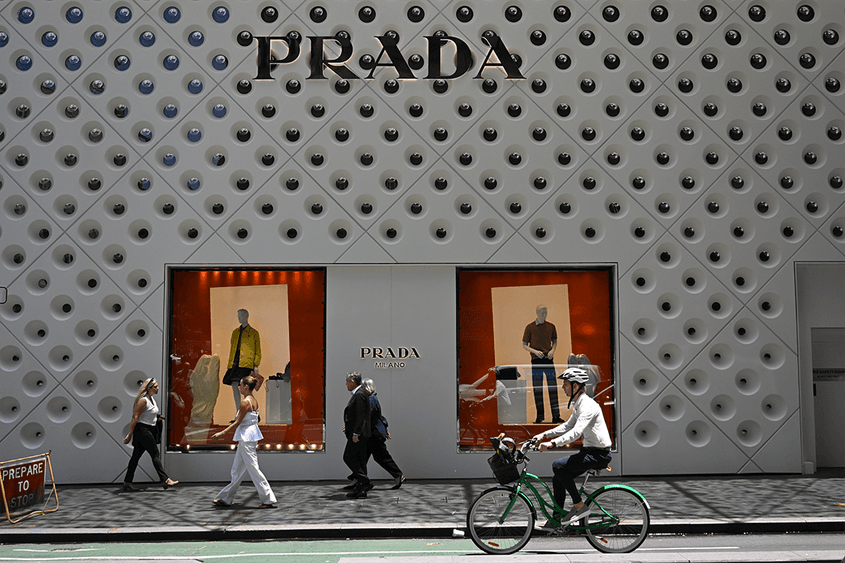
The Devil Wears Prada 2: Same Devil, worse clothes
The Devil Wears Prada 2 loses all of the commentary of its predecessor, and most of the chic.
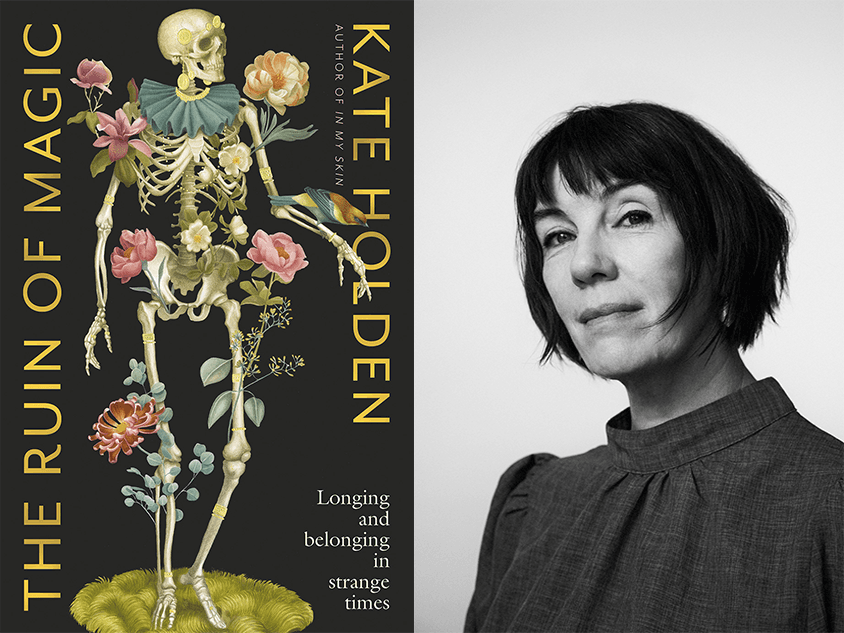
This is an edited extract from "The Ruin of Magic" by Kate Holden, published by Black Inc.
Thu 2 Apr 2026 00.00 AEDT
My family is not one of ancestral portraits in frames. Whoever it was who’d known the Devon meadows has long been silent. No dusty chests of old velvet and ribbon-tied letters in any attic for me. I am a descendant, evidently, but of people who have dissolved away, uneventfully.
Amnesia is the turbine of Australian contentment. And exiles’ nostalgia is part of that. Far away, we point a telescope back to the old land but look through the wrong end. We forget the real place, gather renditions. Forgetting is efficient, there’s no need for clutter and smudge: even genealogy is a sterile sport these days, all digital and laminated.
From the start, the colony had been reverential and referential to its origin: had put up its straight Georgian walls and fired bricks, spoken its own English, set the blackbirds and foxes free. Melbourne had its Gothic churches and pedimented museum, a cityful of gracious buildings, streets of Italianate mansions and pretty little terraces: all fake. Just as the Toscana craze hit Australia, I began to examine my surroundings, and was sorely disappointed. Those weren’t real Greek columns! The medieval spire was new! The Exhibition Building, so august and impressive with its dome and ornamental edgings, looking like ancient stone, was made of wood. The thrilling ancient skull I dug up in our back garden wasn’t that of a bird, but a bit of broken plastic bottle, and when I chopped out the fibreboard backing to the fireplace in my bedroom there was no unsuspected priest-hole or the snowy woods of Narnia, only dirty brick. The colonial shysters had put up all this rubbish, left the evidence of their puzzlement and their nostalgia, and I was there now with the veil pulled and the theatre set revealed.
Now I understand, too, how every bit of it is at the cost of what was. So comprehensive is our occupation that we can’t even see it. Many of the traditional lands are changed, or the people on other Country. I’m on other Country too. “Whoever is uprooted himself uproots others,” observed Simone Weil.
The parts of the country I have best loved now are hard to bear, and the parts still native and “untouched”, I understand are sad with abandonment, emptied of the people who had lived there and shaped them. But most of the world around me is a mixture, gum trees and almond trees, bracken and nasturtiums, carparks and bush trails.
A diffidence, a banality, a fog of obscurity and embarrassment: we live in one of the oldest landscapes on the planet, amongst the oldest continuous cultures, but most of us sit as if in coracles upon the deep oceans of time, bobbing and jiggling, hardly rounding a space out of the vastness at all.
“The horizons of past and future are being blurred,” writes John Berger. “We are being conditioned to live an endless and uncertain present, reduced to being citizens in a state of forgetfulness.” Few know history, fewer still can comprehend its intricacies; amnesia suits us very well. We needn’t know the crimes here, nor the complications abroad; our depth of field shrinks, everything fades to black behind us.
So here we find ourselves captive. Something static and reduced is given to us: tacky little lineages, like mini-figurines of our ancestors, edits of landscapes, clichés on Instagram. “We want to go home again,” writes Paul Kingsnorth, “but if we even know where home is to be found, we see that we can’t return. And so a void is created, and into the void rush monsters: fake versions of the roots were are looking for.” So we no longer progress or return, only wander, blinking back and forth between a trompe l’oeil of our ancestral pasts and the three-dimensional, screeching, gritty, overwhelming present.
Thus my wooziness: I live most of the time in this slippery place that can’t recognise its past, is built of fake stone and imported flowers, haunted by ghosts we don’t even see, forgetting who made us—I am desperate, at the moments when I understand, and snatch at the last place I know of where things were solid, where I was supposed to be where and who I am—and already, I forget, I can’t recognise, I lunge for it, and miss.
Kate Holden is the author of two highly praised memoirs, In My Skin and The Romantic, and the Walkley Award–winning The Winter Road. She is a regular contributor to The Saturday Paper, The Monthly and The Age.
This is an excerpt from The Ruin of Magic by Kate Holden (Black Inc. $36.99). Release date: 7 April 2026.
Advertisement

The Devil Wears Prada 2 loses all of the commentary of its predecessor, and most of the chic.
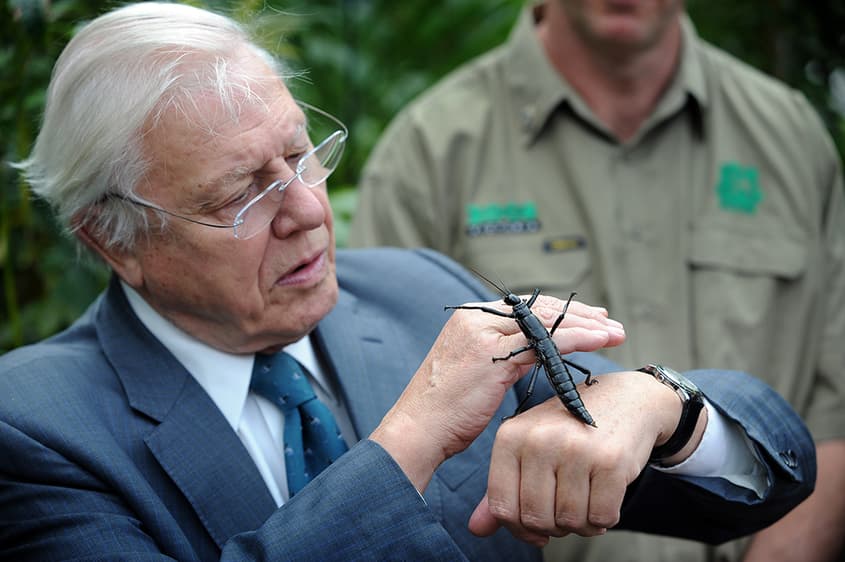
Sir David Attenborough turns 100 this week. Very few people have the good fortune to live for a century. Fewer still achieve so much and touch so many lives. He gave the now legendary comedy troupe Monty Python their lucky break, greenlighting their Flying Circus. His keen eye and care for viewers is in part why tennis balls are yellow, not white – they’re much easier to see on screen. But Attenborough is, of course, most famous for his nature documentaries.