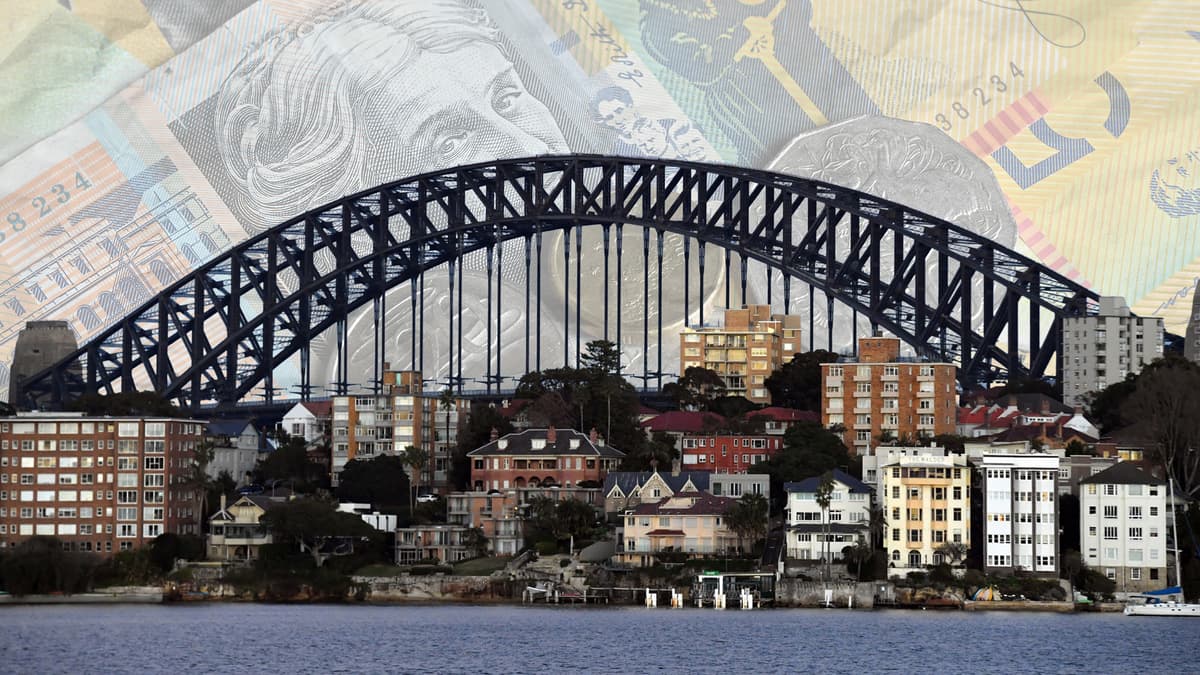
Last week’s AFR Rich List again exposed the scale of wealth concentration in Australia, revealing billionaire wealth grew by $50,000 per minute – more than the average childcare worker earns. This increase alone could lift nearly 1 million people out of poverty.
For months, Australians have been warned that even modest tax reform would undermine “aspiration,” hurt small businesses, or discourage investment. Resistance to capital gains tax (CGT) concessions and negative gearing has included fear campaigns predicting economic catastrophe if wealthy investors contribute more fairly.
Yet at the same time, billionaire wealth continues to surge while millions struggle with rising rents, mortgages, and basic living costs.
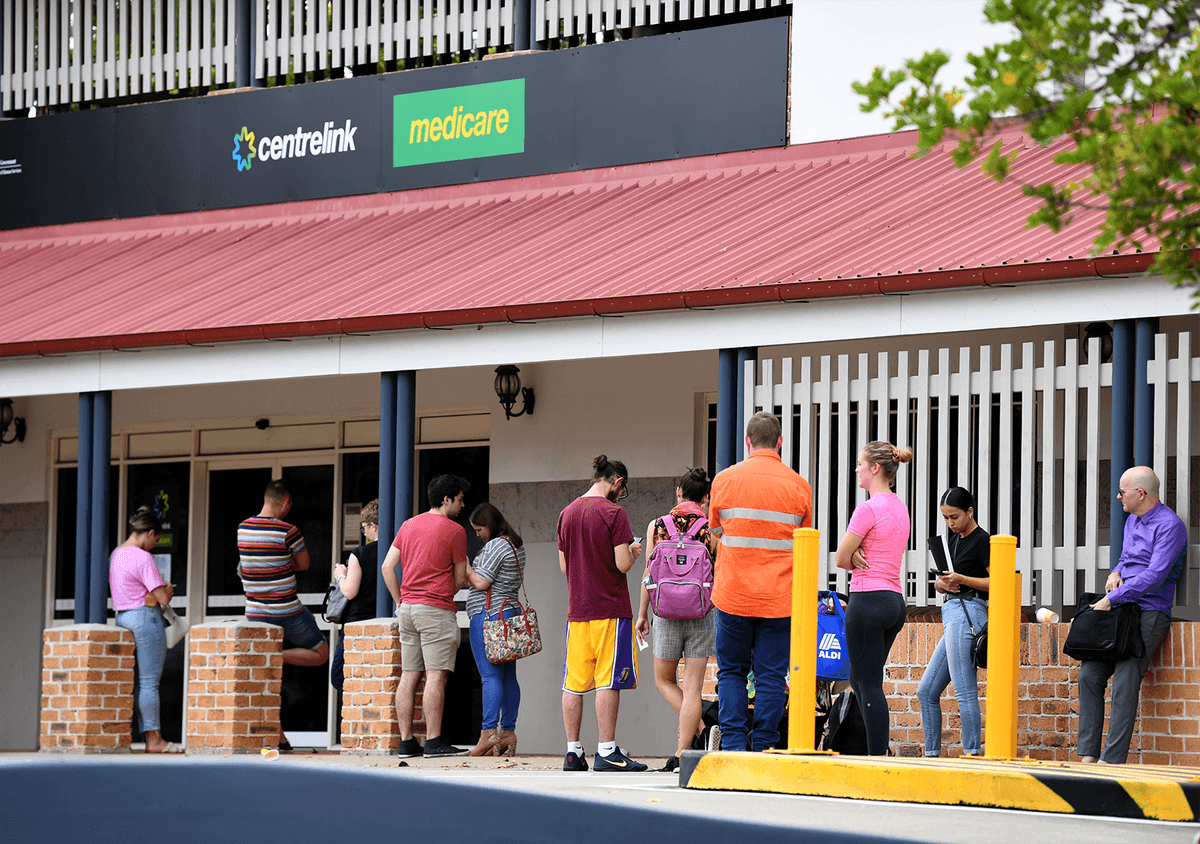
As pressure grows at the checkout, petrol pump, and on housing, the wealth of the super-rich is increasing at an extraordinary speed. There is something fundamentally wrong with a system where extreme wealth skyrockets while governments claim there isn’t enough funding for affordable housing, the NDIS, hospital wait times, and climate action.
Despite this, few meaningful mechanisms ensure the wealthiest Australians contribute fairly to the society they benefit from.
Australia’s middle class is shrinking. Fewer young people can afford homes, and more struggle with mortgages. Increasingly, parental wealth (not fairness or opportunity) determines who gets ahead.
The Federal Budget included some welcome steps to ease pressure and begin reforming unfair tax settings, but it fell well short of addressing rising inequality. While modest, reforms to capital gains tax and negative gearing are important to rebalance a system that has long rewarded wealth accumulation more than work, allowing some wealthy investors to pay less tax than wage earners.
Oxfam analysis shows nearly half of the capital gains tax discount goes to just 24,000 people earning over $1 million annually, with an average tax break of $271,000.
Too often, tax reform is framed as an attack on aspiration. But Australians believe in fairness. There is a clear difference between building a secure life and accumulating extreme wealth while inequality deepens.
This is not about punishing success, but recognising an economic system that increasingly rewards those at the top while many working Australians struggle.
At Oxfam, we see inequality’s consequences daily. In Australia, First Peoples communities face ongoing disadvantage despite calls for investment and self-determination. 1 in 3 Australian households experienced food insecurity. Across the Pacific, communities face climate disasters they did little to cause. Globally, displaced families struggle to access basic needs, with women and children bearing the greatest burden.
These issues are often treated separately – domestic pressures versus global need – but as international aid budgets stagnate, they are connected by the same question: what governments prioritise when budgets are tight.
Australia is one of the world’s wealthiest countries. The issue is not resources, but choices about how wealth is distributed and taxed.
A fairer approach would tax extreme wealth to properly fund housing, healthcare, climate resilience, and community support. It would help build a society where prosperity is shared more evenly instead of concentrated in fewer hands.
At a time when millions are under pressure, it should not be controversial to ask the wealthiest to contribute more.
The question is not whether Australia can afford to tackle inequality, but whether we can afford not to.
Jennifer Tierney is the Chief Executive of Oxfam Australia