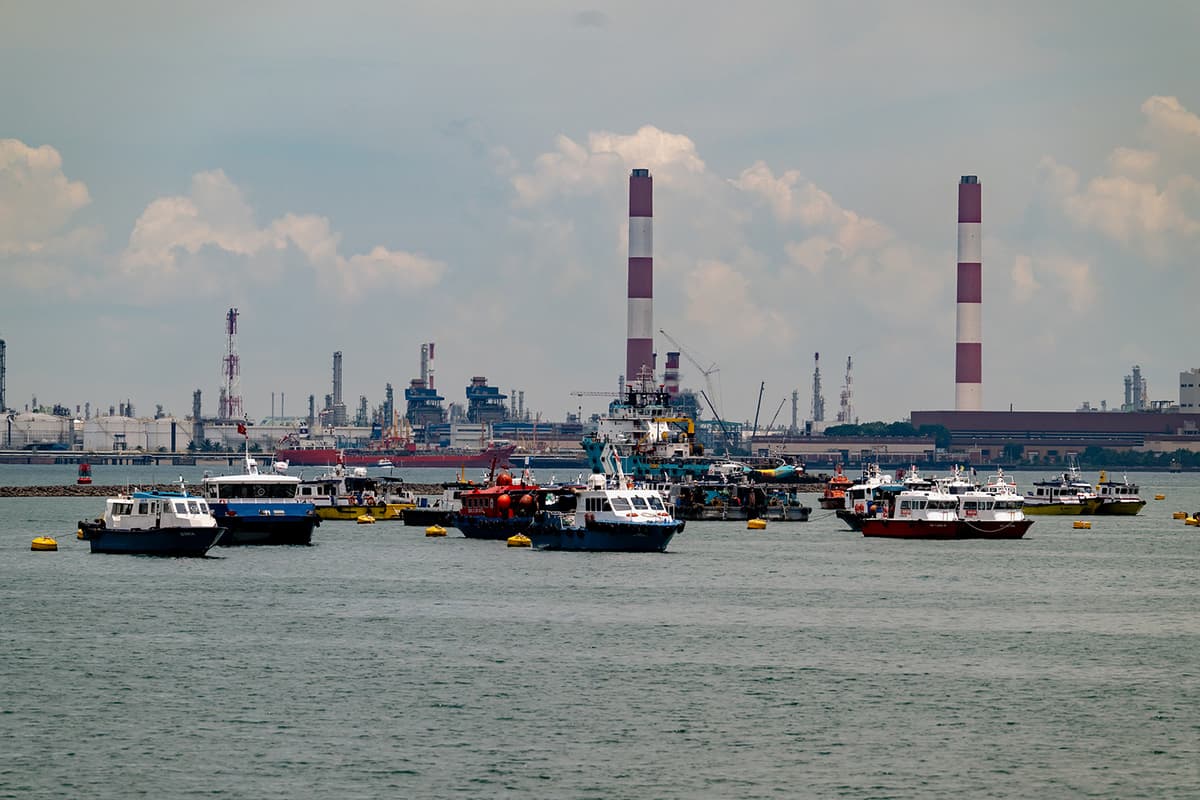
Factcheck: Is the research behind calls for a gas exports tax 'misinformation'?
Claims by the Australia Institute, Senator David Pocock and others about Australia's gas industry are based on publicly available government data.
After years of seemingly unstoppable growth, house prices have begun to moderate. For aspiring home buyers, that will come as welcome relief. But it should also prompt journalists to ask whether they have been telling the wrong story about Australia’s housing crisis.

Tue 28 Jul 2026 01.00 AEST
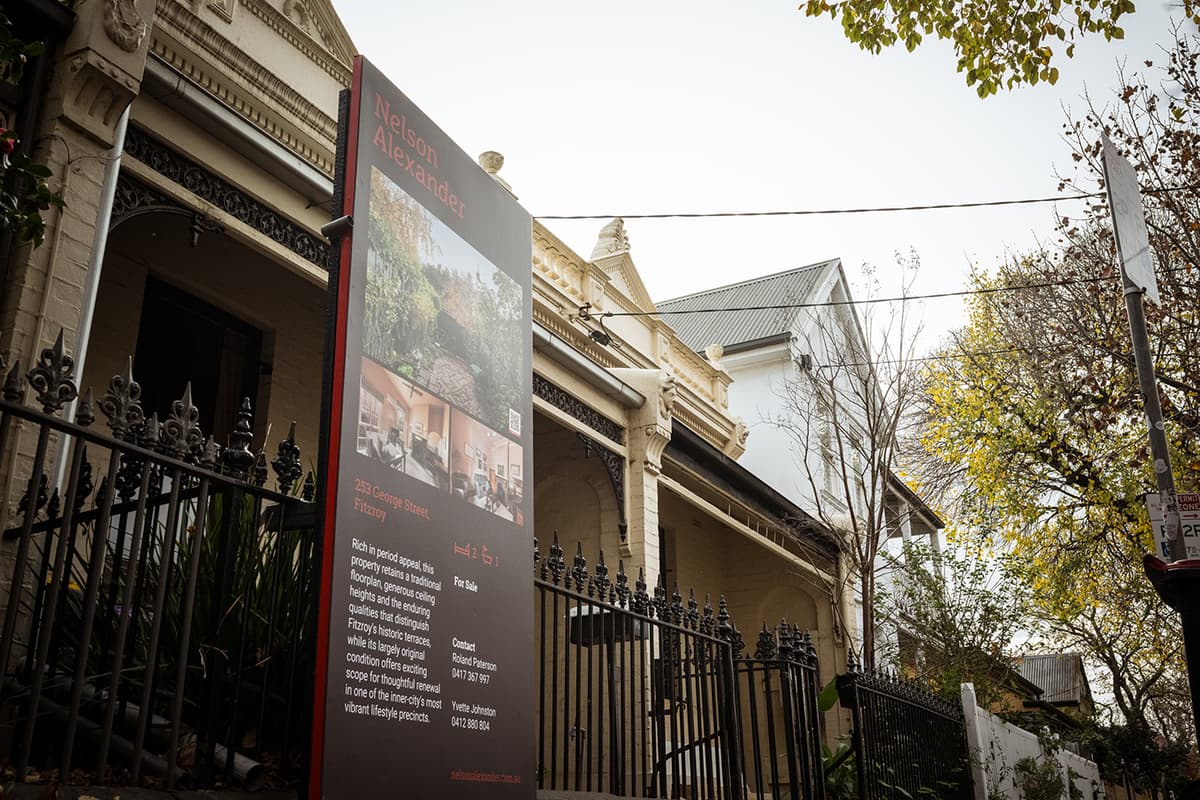
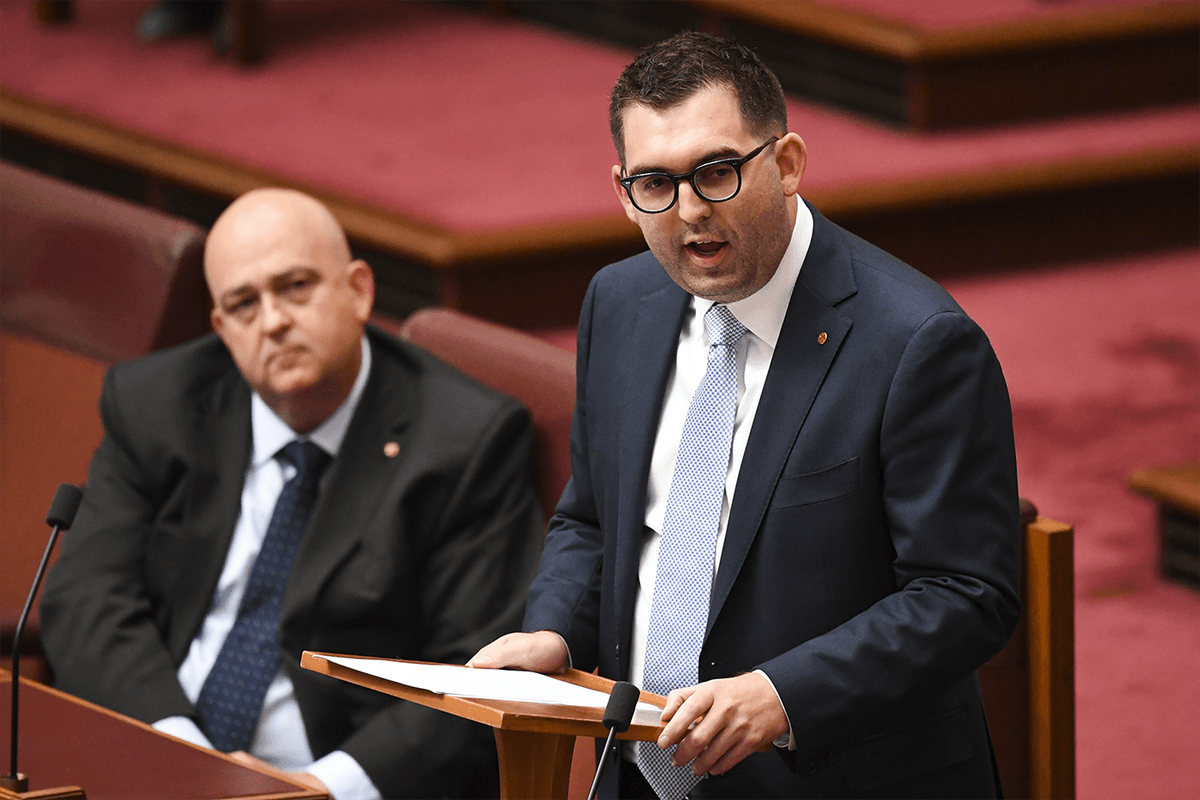
Photo: AAP Image/Christopher Hopkins
Australia’s housing market is finally showing signs of cooling.
After years of seemingly unstoppable growth, house prices have begun to moderate. For aspiring home buyers, that will come as welcome relief. But it should also prompt journalists to ask whether they have been telling the wrong story about Australia’s housing crisis.
For years, some politicians and commentators have been promoting the idea that immigration was driving Australia’s housing crisis. More people arriving, they argued, meant more competition for homes and ever-rising prices. The claim was repeated so often that it came to be treated as common sense.
The problem was that it never fitted the evidence. House prices have risen far faster than Australia’s population. Net migration rose and fell over the past two decades while prices climbed relentlessly. During the pandemic, when Australia’s borders were effectively closed, the country experienced one of the biggest house price booms in its history.
Then there is another inconvenient fact. Australia has steadily increased the number of homes per person since the early 1990s. Even after accounting for population growth, there are more homes for every Australian than there were three decades ago. Yet housing has become steadily less affordable.
If immigration was the primary driver of the housing crisis, none of this should have happened.
Now the theory faces an even bigger problem. House prices are showing signs of slowing but Australia’s migration settings have not changed. Population growth has not fallen off a cliff. The factor that supposedly explained the boom has barely moved, but the market is shifting.
The people who spent years blaming migrants should now have to explain why their theory no longer fits the facts. More importantly, journalists should be pushing them to explain why.
Too much of Australia’s media treated claims about immigration as self-evident rather than something to be tested. They were repeated and amplified while more credible explanations received far less attention. The result has been a public debate that focused on immigration instead of the policy decisions that had reshaped Australia’s housing market. Now that prices are easing slightly without any major shift in migration, those same voices should be asked about what has changed.
The answer is that immigration has always been a distraction from the real story. Over the past three decades, governments transformed housing from a place to live into a financial asset. They expanded tax breaks that rewarded speculation, encouraged investors to buy more homes, and steadily withdrew from building public housing. They relied on the private market to solve a problem it had strong incentives to make worse.
Housing became financialised, and it became much less affordable. Those two trends have tracked each other far more closely than any other factor.
Immigration has provided politicians and vested interests with a convenient scapegoat. It has allowed them to portray the housing crisis as something imported from overseas rather than created by policy choices here at home. Those who defended investor tax breaks and other incentives that turned housing into an engine of wealth accumulation faced far less scrutiny than they should have. The political pressure that should have been directed at speculative investment, investor tax concessions and the collapse of public housing was redirected elsewhere.
Public debate should not work like a revolving door, where sweeping claims are made, repeated until they become accepted wisdom, and then quietly abandoned when the facts no longer fit.
As governments finally start winding back tax breaks and the housing market shows signs of cooling, Australia has an opportunity to move beyond one of the most persistent myths in our politics.
The question is whether our media will finally hold that myth to account or simply wait for the next upswing and tell the same story all over again.
Maiy Azize is Deputy Director of Anglicare Australia, a network of charities linked to the Anglican Church.
Advertisement


Claims by the Australia Institute, Senator David Pocock and others about Australia's gas industry are based on publicly available government data.
The question is not whether gas companies pay tax. They do, particularly via corporate income tax, which peaked at $12 billion in 2022-23. It has since eased to $10.4 billion. But is the PRRT, which was specifically designed to tax oil and gas, suited to the modern LNG industry?