This year’s Tour de France was just won for a record-equalling fifth time by Tadej Pogačar. But it wasn’t just the ascendant Slovenian dominating the race from start to finish. Across France, extreme heat and bushfires impacted almost every stage, including the triumphant finale through Paris, which was cut short as security personnel were redeployed to battle blazes.
Getting off his bike after a particularly punishing stage last week, the normally reserved Pogačar suggested cycling’s entire schedule needed reworking to protect athletes from rising temperatures.
The sport’s biggest star was shot down almost immediately by race director Christian Prudhomme, who said shifting the Tour de France outside of summer was simply not possible, before going on to also dismiss calls for Tour stages to start earlier in the day to avoid heat extremes.
If this year in sport is proving anything, it’s that these decisions may soon be out of administrators’ hands.
Cycling’s world tour began in Adelaide with the Santos Tour Down Under, which had its signature climb up Willunga Hill cancelled as extreme heat threatened the safety of both riders and fans.
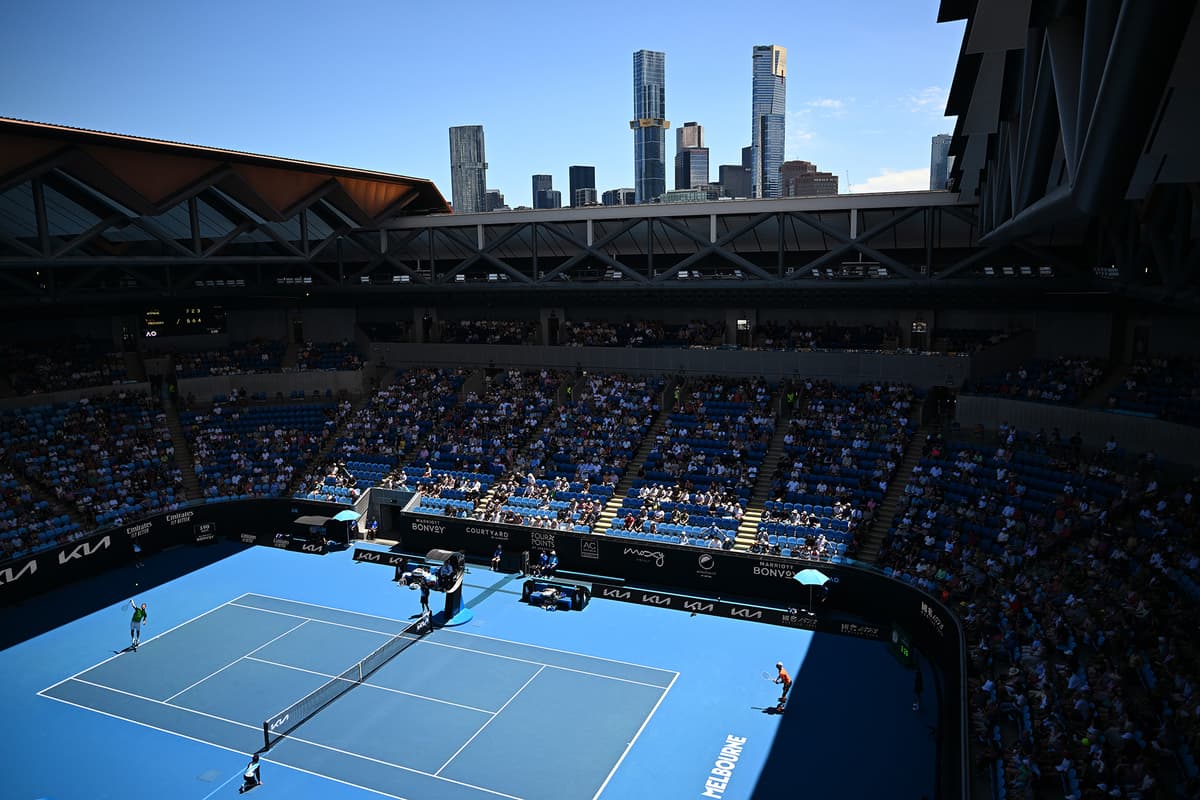
Earlier this European summer, heat ended the campaigns of several elite players at the French Open. On the other side of the Atlantic, the World Cup also played out under the cloud of climate change – sometimes literally, as bushfire smoke spread from Canada, blanketing the New Jersey stadium hosting the final.
Much was made of FIFA’s response to extreme heat. Even if you believe the World Cup’s hydration breaks were a cynical attempt to make space for more advertising (and you’d be forgiven for thinking that), the fact is they were put in place on the advice of health professionals, who believe football, and all sport, must go much further to protect athletes and fans.
At FrontRunners, we’ve taken to describing heat illness as the concussion of the climate era.
In terms of foreseeability of risk and management, there are clear parallels. As it gets hotter, the risk of serious health impacts, including death, is increasing. This leaves the sports industry and its executives to manage greater disruption and greater costs, while continuing to meet commercial demands.
Regrettably, many sports are focusing on the latter and ignoring their complicity in the greatest threat to the long-term viability of sport, meaning we see both the World Cup and Tour de France sponsored by two of the world’s biggest fossil fuel polluters.
For executives, adaptation and athlete safety are the greatest immediate climate concerns. Rightly so. But the longer-term play, and greater legacy, lies in working to protect the future of sport by taking responsibility for mitigating, and not just adapting, to the worst impacts of climate change.
This means removing the opportunity for fossil fuel giants to sportswash their businesses and take seriously the responsibility to participants at all levels of sport, where climate risks compound year-on-year.
This is particularly true at the grassroots, where 14 million Australians spend their evenings and weekends involved with sport, contributing a government-estimated $83 billion to the economy.
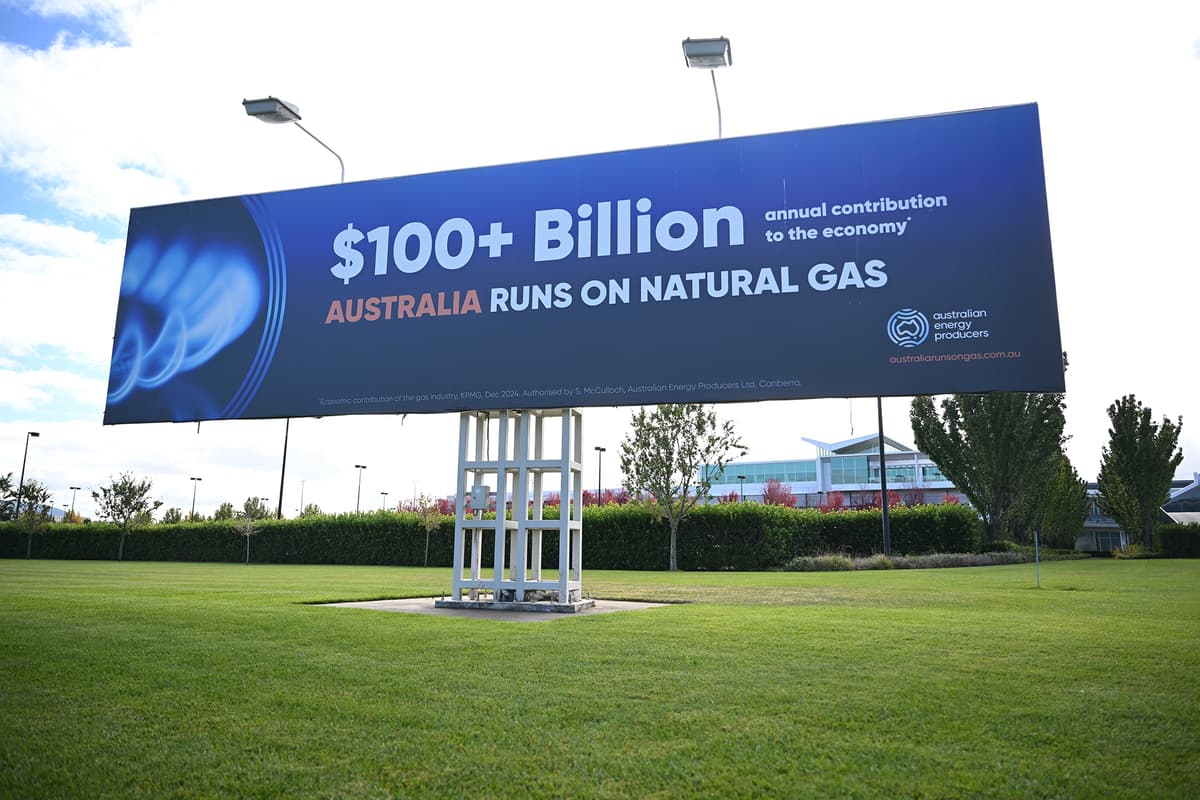
Sport has immense power to change culture and public perception. If it didn’t, fossil fuel companies wouldn’t be investing, at last count, over $5.6 billion in sport sponsorships every year.
With the glaring need for mitigation to go hand in hand with adaptation, sport must recognise the opportunity and obligation of this moment, instead of relying on inaccurate tropes of neutrality, or pretending sport is powerless. These excuses dodge responsibility and they’re inaccurate.
History is full of courageous athletes and visionary administrators taking stands for the greater good, and you don’t have to look far to find them.
When President of World Athletics, Seb Coe, realised governments weren’t likely to act swiftly enough on climate change, the former Olympic gold medallist said so.
“Constituent groups like sport are going to have to figure this out for themselves,” he said. “I don’t think we can rely on governments to remotely get to grips with what is going to be a massive shift in reality in the next few years.”
World Rugby is another governing body looking to the future with clear eyes. In a recent risk report, it names, in an unusually candid way, the “reputational risks from associating with high emitting companies,” and “public opposition/protest over commercial partnerships.”
Fortunately, sport is moving. Two weeks ago, Australian sponsorship analysts at Scout showed that solar was among the fastest growing sectors in the sport sponsorship landscape.
It’s a small data point, but hints at the direction of travel at a time when the dinosaurs of the energy industry are doing everything in their power to shore up their social licence through support for beloved institutions like sport.
As executives consider new deals, an important question has emerged: How will this sponsorship age in the face of the next extreme weather event? Will it be regarded as profiteering from an industry that has no place in sport’s future?
Australia is in the middle of the biggest decade of major sport we’ve ever hosted. A cavalcade of events extend beyond our routinely packed calendar, culminating in the 2032 Brisbane Olympics.
Unfortunately, every event between now and then will play out in a climate more likely to produce more of the disruption and danger we’re seeing this year.
That’s a problem for the fossil fuel industry and its sponsorships. Corporate spin can’t influence physics.
Images of suffering Tour de France riders overlaid with commentary on unprecedented heat sit increasingly uncomfortably with ads for Total Energies, just as Santos’ sponsorship of the Tour Down Under jarred as the event tried to protect riders and fans from last summer’s dangerous heat conditions.
These controversies distract from sport, and diminish it. Fans and athletes will approach their leadership with growing scepticism as they struggle through more extreme weather driven by the products of the brands on the guernseys and the billboards.
Reducing emissions from individual sports matters. But in a heating world, the most powerful thing sport can do is stop lending social licence to the companies selling the products that jeopardise a safe future, and start building partnerships that normalise the solutions our shared future depends on.
Doing so could bring athletes, fans, corporate partners and, dare I say it, governments, along for the ride.
Sport thrived without tobacco sponsorships. It will continue to thrive without another industry that’s rapidly being consigned to the past.
David Morris is the CEO of FrontRunners, a non-profit working at the intersection of sport and climate change to help protect the future of sport.