Crystal water flows from beneath a horizontal disc of sandstone, pulsing from the heart of the earth.
From time immemorial to the present moment, the Doongmabulla Springs give life to Wangan and Jagalingou Country. Our obligations as Custodians to care for those Springs and all that depends on them derive from our First Law, Aboriginal Law, which is ancient and predates the Queensland Parliament, the Australian Constitution, and the colonial legal order by thousands of years.
In recent times, Queensland’s Parliament has recognised those obligations. Section 28 of the Human Rights Act 2019 protects the right of Aboriginal peoples to maintain and strengthen their distinctive spiritual relationship with Country, to conserve and protect the environment of their lands, territories and waters.
That recognition does not create our rights; it acknowledges them.
The Doongmabulla Springs are already under threat from coal mining. We are fighting to protect them from further harm from Bravus’ Carmichael coal mine in the Supreme Court, using Queensland’s human rights and environmental protection laws. There are other coal projects proposed across our Country. Wangan and Jagalingou homelands encompass much of the Galilee Basin, one of the world’s largest untapped coal frontiers, and our Country remains firmly in the sights of the Government and the resources industry.
Last month, Queensland’s Crisafulli Government passed new laws that gut our rights and our ability to protect Wangan and Jagalingou Country from the unfettered ambitions of extractive industries.
Under the State Development and Public Works Organisation (Critical Minerals) and Other Legislation Amendment Act 2026, projects can be declared ‘state significant projects’ and fast-tracked through modified approval processes. It removes important avenues through which we can challenge projects that impact our Country, land and waters.
Despite its title, this law is not simply about critical minerals. It can apply to coal, gas, cableways, dams, weapons facilities, or any other private development project. The criteria for a declaration are undefined and the decision unreviewable, opening the way for extraordinary powers for the Minister to override Acts of Parliament, remove community consultation rights, strip third-party appeal rights, exclude judicial review, compulsorily acquire land for private developers, and deny Aboriginal people their rights. This is an old-fashioned power grab by the heirs of Joh Bjelke-Petersen’s National Party.
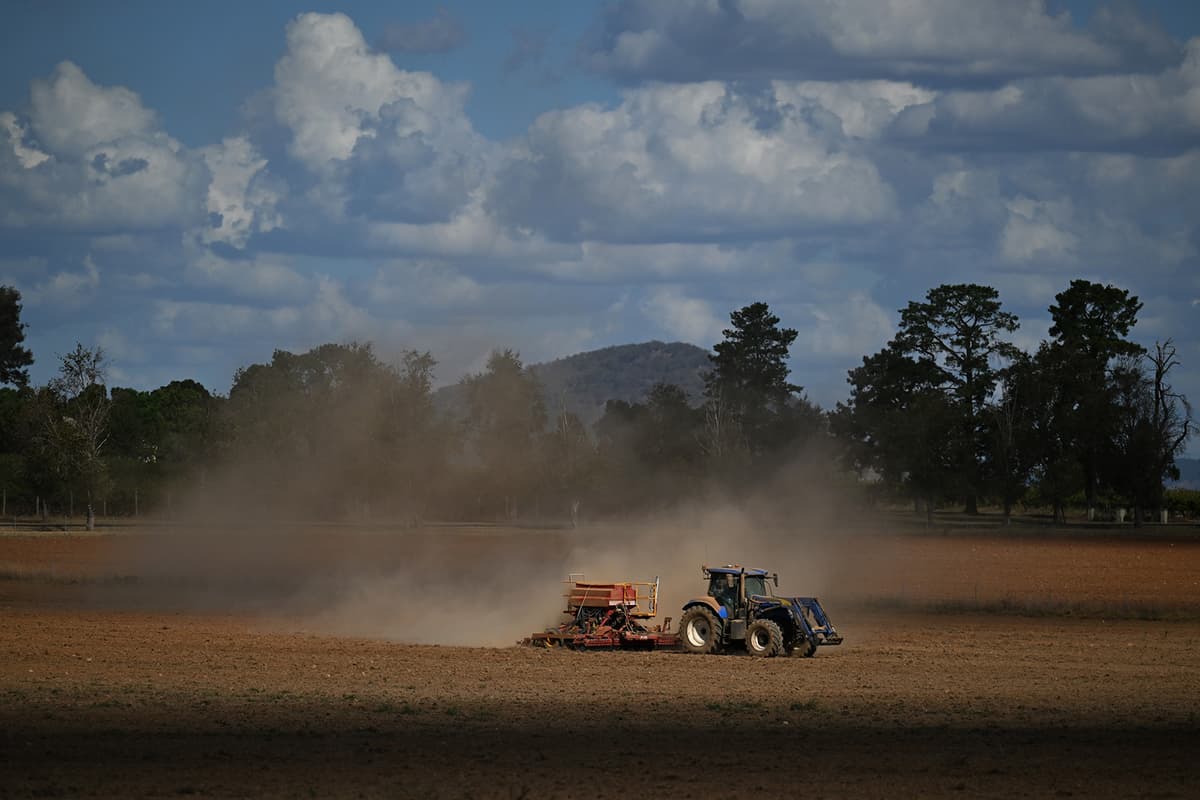
Nearly 90% of the 90 submissions to the parliamentary committee asked the Government to withdraw the Bill. Farmers, legal bodies, environmental organisations, First Nations peoples and regional communities all raised the alarm.
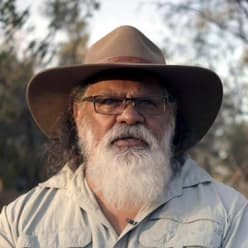
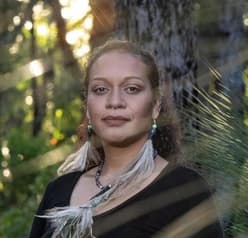
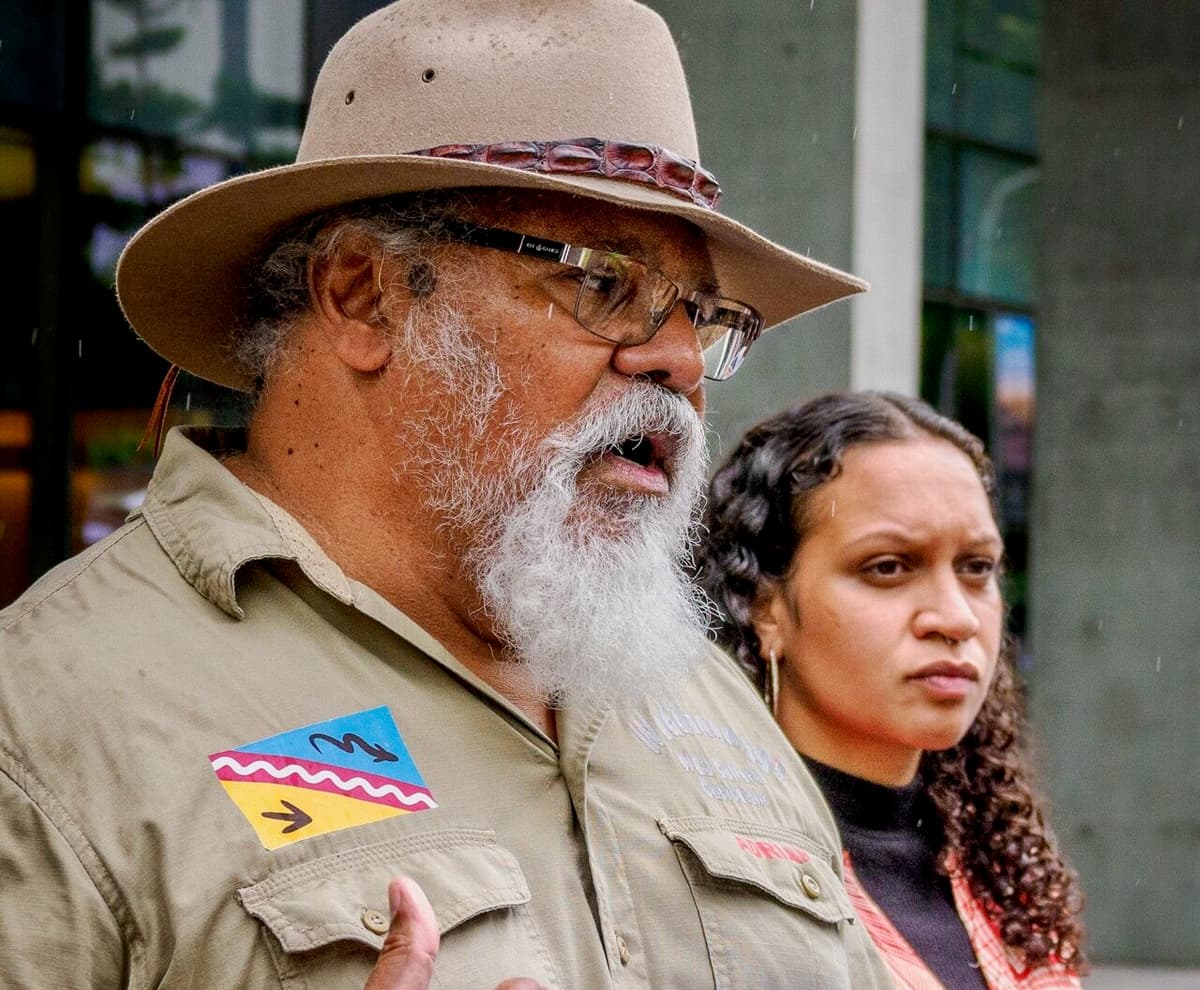
The Nagana Yarrbayn Wangan and Jagalingou Cultural Custodians told the committee the Bill was “incompatible with the human rights of First Nations peoples and with Queensland’s obligations under the United Nations Declaration on the Rights of Indigenous Peoples.”
The parliamentary committee, controlled by the LNP majority, recommended the Bill be passed regardless of its impact on rights. And so it was. The Opposition and all crossbenchers voted against the law. It was passed by the LNP alone.
The Government made last-minute amendments, excluding data centres and renewables, but these concessions gave nothing to First Nations peoples.
This is nothing new. Queensland has always found ways to push First Nations people aside when there is money to be made from Country and powerful interests to be served. For most of Australian history, that required no justification at all. It was simply how things were done, often violently. It was only in recent decades, as land rights, native title and human rights frameworks slowly emerged, that the brakes were applied and governments were required to at least acknowledge what they were doing and why. But true to their character, this LNP Government has abandoned even that.
This is state developmentalism, Queensland-style. It rests on the assumption that the State’s interest in directing and accelerating resource extraction is self-evidently superior to the rights of First Nations peoples, landholders and communities, and that rights, consent and democratic accountability are not values to be protected but impediments to be managed or removed.
The Crisafulli Government has not invented this approach. It has shaped Queensland governance since the colonial era. Crisafulli and his deputy Jarrod Bleijie have simply stopped bothering to justify it.
No executive government should be able to override laws passed by Parliament, seize land and property for the financial benefit of private companies, and remove the right to challenge those decisions in court, without demonstrated public interest and democratic accountability. But that is exactly what this law does.
The bulldozers now clearing the parkland at Victoria Park – Barrambin, on Turrbal Country, and for millennia a gathering place around the springs and watercourses for many First Nations peoples – tell the same story. The Queensland Government suspended 15 pieces of planning and appeal legislation, overriding the public’s rights, to make way for an Olympic edifice.