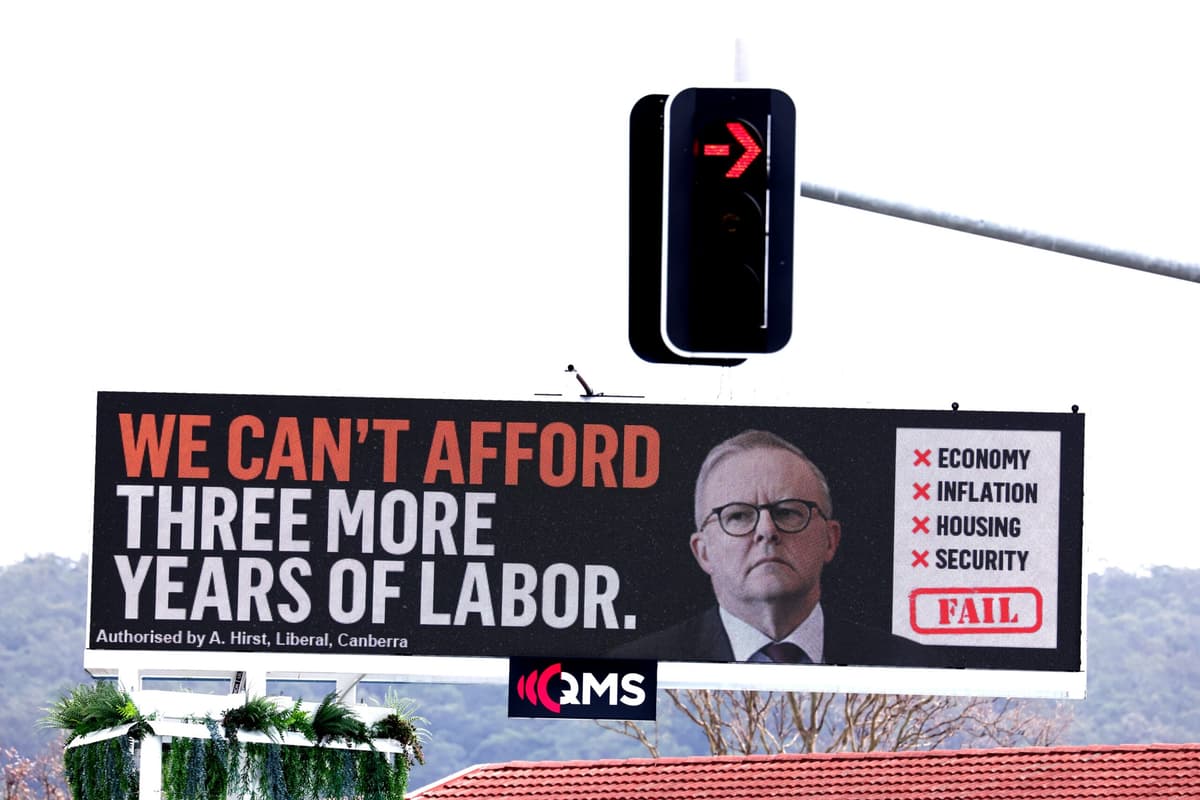
It’s perfectly legal to lie in a political ad in NSW – but that could be about to change. More than 31,500 NSW residents have said that they want truth in political advertising laws before the state election next March.
The petition, which closed last month as the fourth-most popular electronic petition in NSW history, calls on state parliament to adopt laws against misleading political advertising in line with those already in place in South Australia and the ACT.
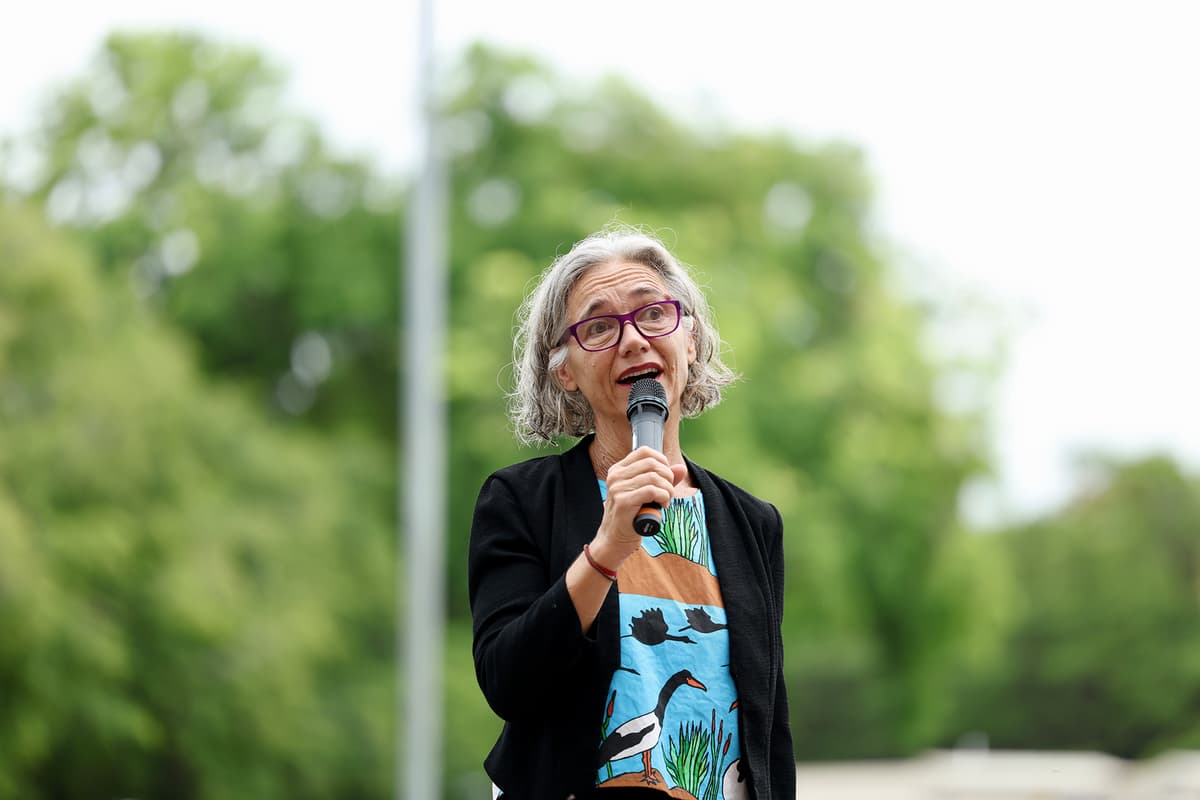
The petition was introduced by concerned citizen Michelle Millner and sponsored by independent MP Jacqui Scruby. It is backed by Australia Institute research that shows truth-in-politics laws are popular, proven to work elsewhere and improve the quality of debate.
It might come as a surprise that NSW does not already outlaw misleading political ads. Misleading and deceptive conduct in trade and commerce has been illegal for decades, but politicians have not extended to themselves the rules imposed on vendors and suppliers.
We know that truth in political advertising laws are viable because South Australia’s laws have operated for 40 years. They are proof that such laws can be drafted in a way that is fair, constitutional and effective.
In South Australian elections, misleading ads can be quickly withdrawn and corrected when they are spotted by the public. The regime has improved the quality of debate in the state, and means campaign heads think carefully before approving sensationalistic advertising.
In NSW, truth in political advertising laws have attracted broad support from the state’s large crossbench: From inner-city independents such as Alex Greenwich and Michael Regan to regional independents such as Dr Joe McGirr and Phil Donato. The Greens – whose votes could be key to passing truth laws in the upper house – have also lent their support.
The support of crossbenchers could be decisive. When the ACT adopted truth in political advertising laws in 2020, the vote was unanimous – Labor, Liberal and Greens united. But it came to a vote only thanks to the efforts of Greens crossbencher Caroline Le Couteur.
A clear concern from NSW parliamentarians is the role of artificial intelligence-generated deepfakes in distorting elections. NSW’s last election was only four years ago, but since 2023 deepfake technology has gotten much more powerful and available.
In last year’s federal election, a deepfake of Peter Dutton speaking Mandarin and proposing an Aboriginal flag ban circulated on Chinese social media app RedNote.