As planes descend into Fiji this week, passengers are being welcomed with a message that captures both the hope and the pressure surrounding the Pacific’s pre-COP climate summit.
“As the national airline of a small island developing state on the frontlines of climate change, we are proud to fly you here to experience our Pacific realities firsthand. We thank you for your commitment to holding the line on science and keeping the 1.5°C target within reach.”
It is a generous welcome. But it is also a challenge.
Delegates are being asked to confront what their decisions mean for the people hosting them.
Tension in the Pacific
There’s tension in the air at this pre-COP.
Tension between Pacific Island states and Australia. Tension over the world leaders who have not turned up. Tension over Australia’s continued expansion of coal and gas, even as it asks to be applauded for its climate leadership.
And tension over how to call out a powerful partner whose aid and cooperation you still need.
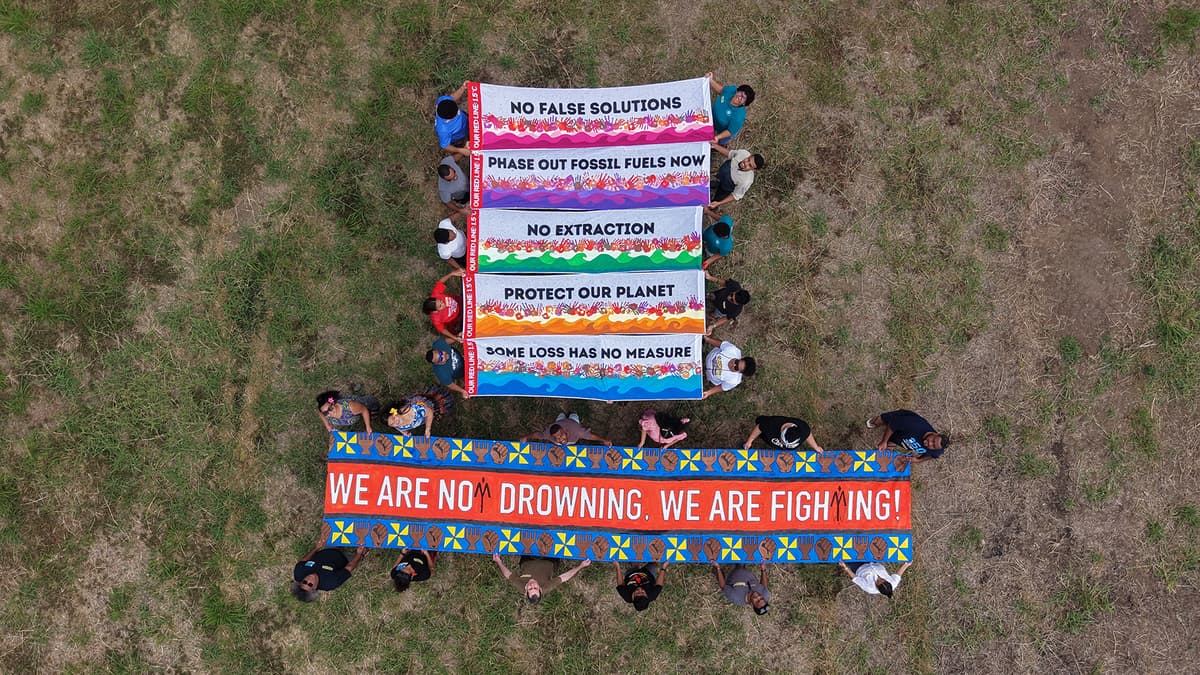
That is a difficult dance for Pacific governments. But at a pre-COP stakeholder event on Tuesday, community advocates were not dodging the issue. “Climate colonisation” was among the descriptions discussed by Vishal Prasad, director of Pacific Islands Students Fighting Climate Change, and other panellists.
“From a legal standpoint (fossil fuel expansion) is completely unacceptable under the law and not tenable with what the International Court of Justice has said,” Prasad said.
“The ICJ talked about the licensing, exploration, and subsidies of fossil fuels as potentially being an illegal act under international law, and that does not seem to be factored in by the Australian Government.”
His verdict on Australia’s leadership at this COP was equally sharp.
“Australia is taking the complete opposite track in addressing climate change, meeting its legal obligations and being the Presidency of COP that we are hoping it should be.”
Contradictions at home
Australia should be listening to the impassioned voices of young leaders like Prasad. Instead, it keeps giving its critics fresh material.
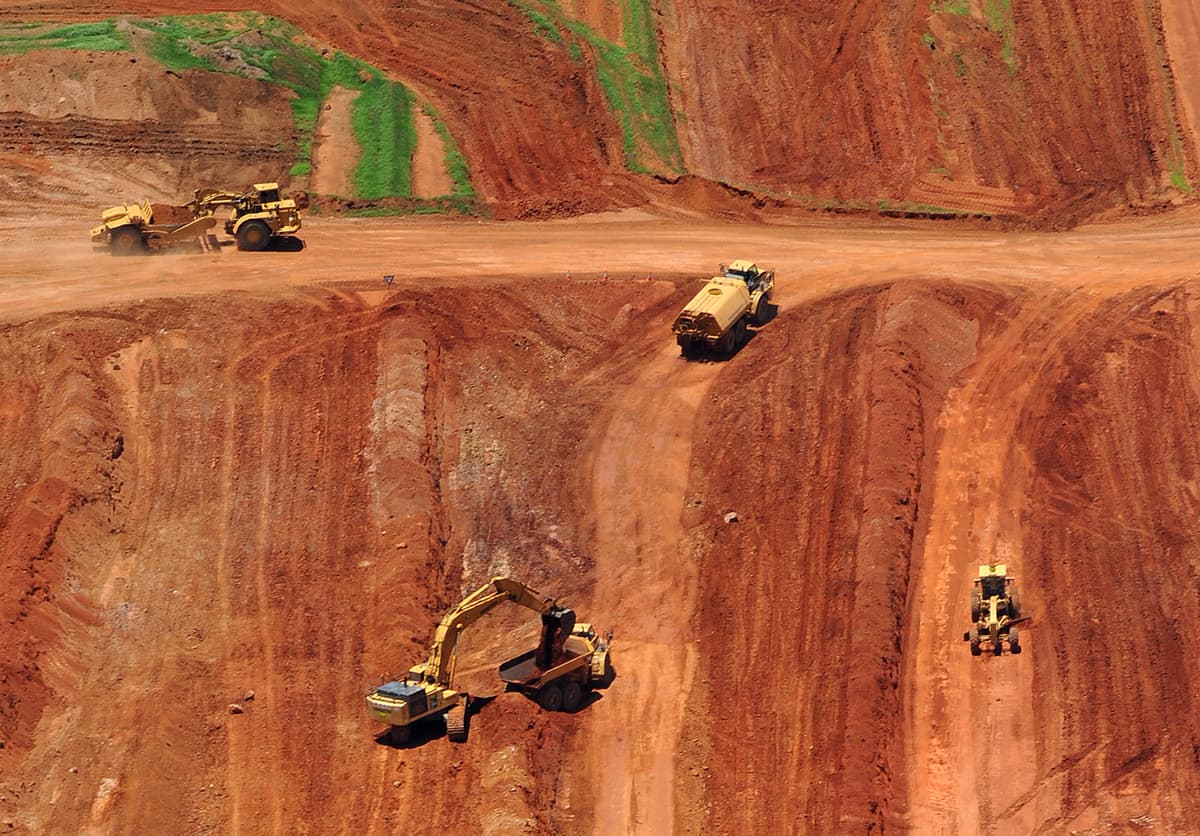
Last week, the NSW Independent Planning Commission approved the extension of Hunter Valley Operations (HVO) coal mine, allowing it to produce coal to 2045 and emit over 800 million tonnes of climate pollution while doing so.
That’s decades more coal, locked in on the eve of a Pacific climate summit.
It is hard to imagine a clearer illustration of the gap between the climate leadership Australia claims and the fossil fuel future it continues to enable.
What makes it all the more baffling is the fact that this conference really matters to Australia. Canberra wants strong Pacific partnerships, not least because it wants to counter China’s growing influence in the region. But our Pacific neighbours’ demand for a genuine transition away from fossil fuels is a test of whether those relationships mean what Australia says they do.
We want our Pacific family’s trust. We want their partnership. We want credit for standing beside them.
We just keep making decisions that directly undermine their future.
Australia has spent years trying to repair its standing in the Pacific. Our record gives us plenty to repair. Who can forget Peter Dutton’s remark about time meaning nothing when water is lapping at your door?