At the pre-COP31 summit in Nadi, Fiji, Pacific advocates have told the world what a credible climate outcome looks like. Australia is currently part of the problem and needs to be part of the answer.
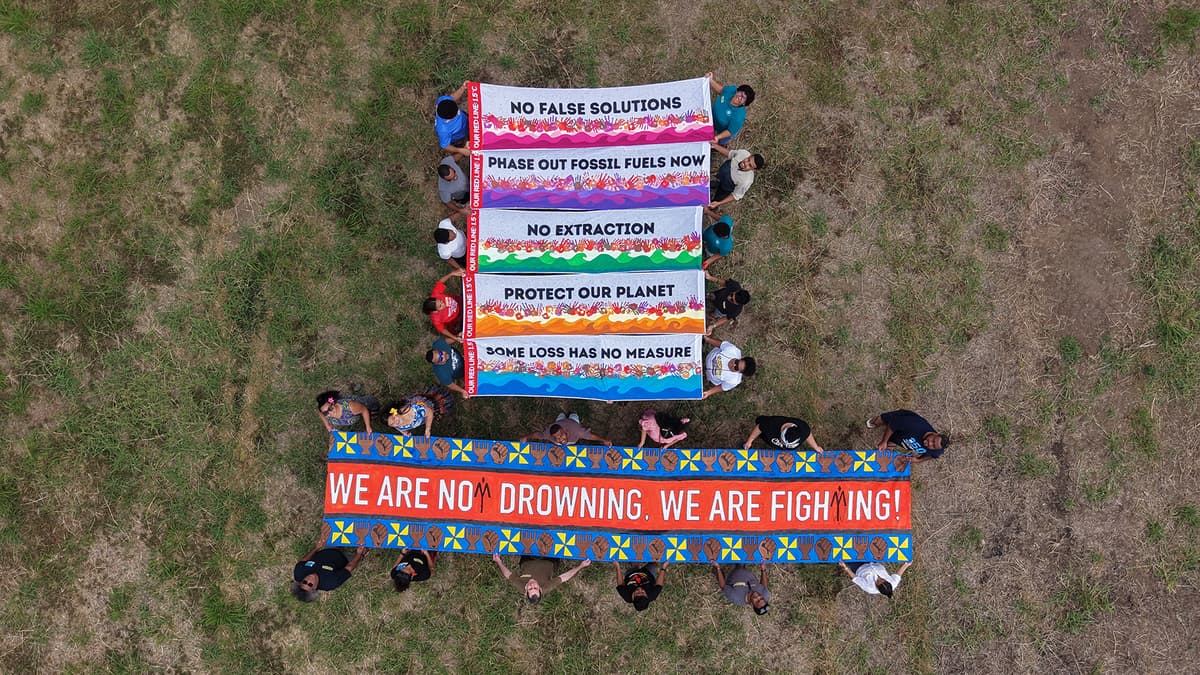
Outside the plenary sessions in Denarau, advocates did something grounded in community knowing. They drew lines.
The “Red Lines for 1.5°C” come from the Pacific Climate Justice Demands, built each year through consultation across a network of more than 290 organisations. There are five lines.
Australia is in every one of these red lines.
The Pacific is asking for no false solutions, meaning no expensive never-never technologies or financial mechanisms like dodgy offsets that let extraction continue while the harms are handed off to the people and planet.
Pacific leaders are calling for an immediate end to new oil, gas and coal extraction, and the phase-out of existing production and the end of fossil fuel subsidies. For Pacific peoples to be recognised as defenders of the ocean and land they have stewarded for generations. And insist that loss and damage will not be monetised, because culture and grief are not line items.
Fiji’s chief climate negotiator, Dr Sivendra Michael, told media in Nadi that “no decision is better than a bad decision”. Pacific negotiators would rather defer an outcome than accept a text that ignores their red lines. They are now finalising the Falefatu-Pākasa Declaration to carry a shared position to COP31 in Antalya next month.
Jacynta Fa’amau of 350 Pacific was just as clear. “We will likely breach 1.5 degrees in the next decade. How long we stay above it is still a choice, and it is being made by the people in these rooms.”
Australia is one of the nations with people in these rooms, with a special responsibility.
We signed the Belém Declaration on the Transition Away from Fossil Fuels (TAFF). And Minister Chris Bowen is President of Negotiations at COP31, and we are the world’s third-largest fossil fuel exporter.
That hypocrisy cannot be ignored. Can you join TAFF and ask the world to plan an exit from coal, oil and gas while you keep approving and exporting more of it?
The Australia Institute has been clear about where an Australian roadmap must begin. The analysis we took to the First Conference on Transition Away from Fossil Fuels, No New Gas and Coal, sets out four practical steps: ban new gas and coal projects, set a phase-out timeline, end fossil fuel subsidies, and raise taxes on fossil fuel production.
Get our newsletter
Quality research, analysis, explainers and factchecks from experts you can trust.
The Australia Institute’s work on what Australia owes the Pacific adds a 25 per cent tax on gas exports to help fund the transition away from fossil fuels.
That will be tested in the coming months.
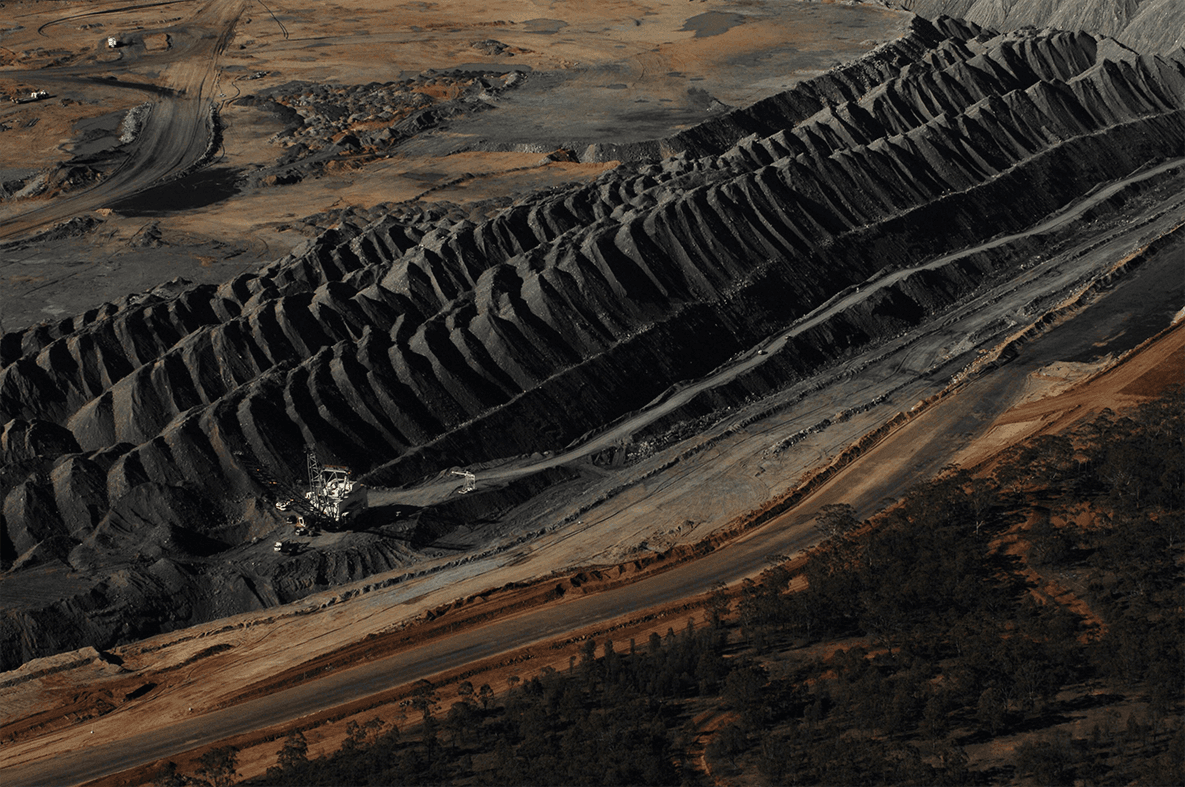
First, Hunter Valley Operations (HVO). The NSW Independent Planning Commission has approved the Glencore and Yancoal complex to 2045 for HVO North and 2042 for HVO South.
It still needs federal approval by the end of December, just after the COP31 meeting. The state conditions lean on additional carbon offsets, and the project would emit around 809 million tonnes of carbon dioxide equivalent over its life — that is a lot of dodgy offsets!
Second, Woodside’s Browse gas project. The North West Shelf extension to 2070 was widely seen as a critical step toward the $30 billion Browse development, which still needs its own environmental approval. Browse would lock in decades of new gas and dodgy offsets (which are part of the approval requirements) through carbon dumping via CCS in our ocean.
Both projects will come with the same false solution: that so-called offsets will cover the expanding emissions and Pacific nations are putting up as a Red Line.
Australia Institute analysis Safeguarding the Fossil Fuel Industry shows how unlimited offsetting lets polluters swap real cuts to pollution for dodgy offsets, and how fossil fuel companies are the scheme’s biggest users. Offsets do not leave a single tonne of coal or gas – and their emissions – in the ground. They give governments permission to approve more and give polluters more permits to pollute.
If the Pacific’s Red Lines include no false solutions and no extraction, and to phase out fossil fuels, approving HVO and Browse on the strength of offsets crosses all of them
Climate integrity with Red Lines looks different. A government that signed the Belém Declaration would say no to new fossil fuel approvals – now. It would get rid of dodgy offsets for fossil fuel polluters. It would end fossil fuel subsidies; last year alone that amounted to $16.3 billion. It would bring a credible phase-out roadmap to Antalya, with a timeline.
Fiji’s negotiators have said they will accept no text that ignores their Red Lines. Australia should hold itself to the same standards. The people drawing these lines are not asking for charity. They are demanding the ability to keep their heads above water and survive.
The outcomes of the HVO coal and Browse gas proposals will tell us which Australia will turn up for COP31, and then the Second Conference on Transition Away from Fossil Fuels in the Pacific next year.
Louise Morris is Head of Fossil Fuel Transition at the Australia Institute, with 20 years’ experience encompassing climate, energy, forest protection, and law reform in the not-for-profit sector, and federal politics.