Australia lost the bid to host COP31 and was handed the role of President of Negotiations instead. We can lead from that position.
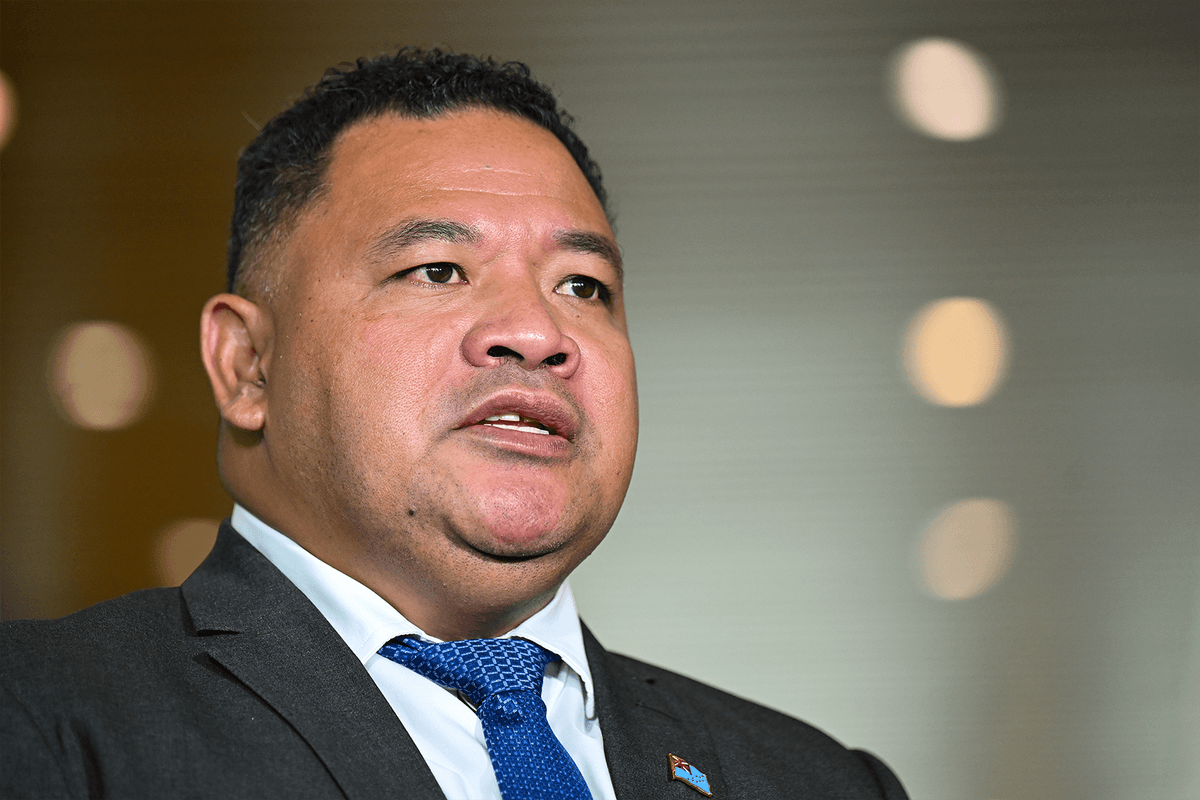
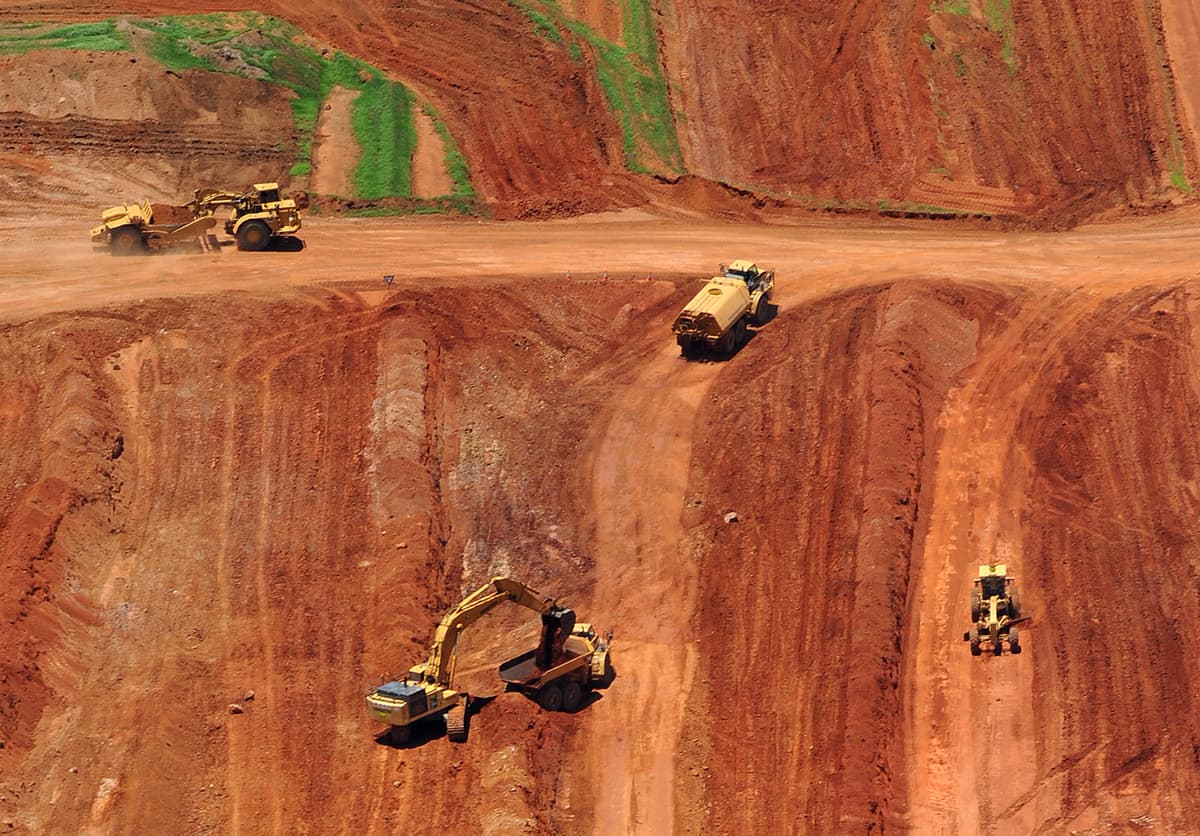
Yet our government is weighing approvals for coal and gas projects that would lock in decades of new emissions, with most new approvals depending on so-called carbon offsets. Offsets do not reduce emissions. They are exactly the false solution Minister Talia told leaders to reject.
Minister Talia was clear on what that leadership looks like in The Saturday Paper: “We cannot just put money on the table and then do the opposite.” New coal mines and LNG plants, he said, are the root cause. Is Australia a good neighbour to the Pacific? That is the question we should be pondering.
In Tuvaluan culture, a neighbour, the tuākoi, owes sharing, reciprocity and care for the vulnerable.
One of the world’s third-largest fossil fuel exporters has some explaining to do.
What leadership looks like
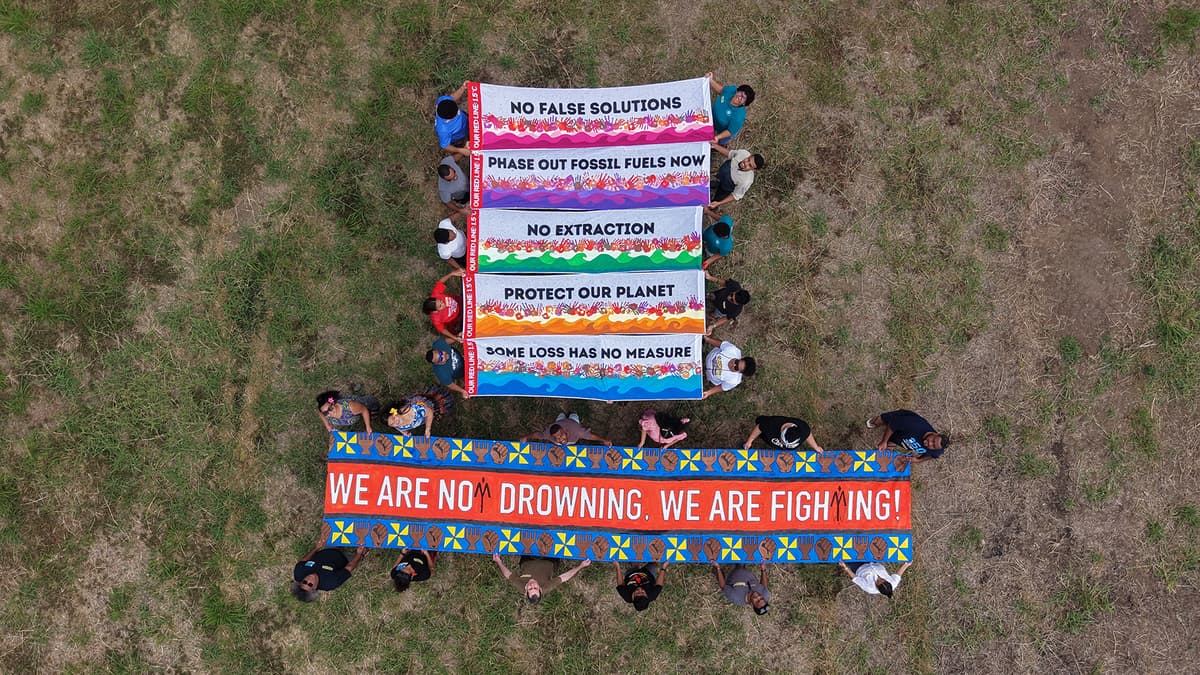
It starts with the first step that the Fossil Fuel Non-Proliferation Treaty initiative has put on the table: a global halt to new fossil fuel extraction, led by wealthy nations. Australia is one of them.
That means no new coal and gas approvals. A roadmap to phase out fossil fuels, built with Pacific nations. An end to fossil fuel subsidies, so public money stops fuelling the problem. Grants, not high-interest loans, for the front line.
And it means saying plainly at COP in Türkiye next month that the agreement to transition away from fossil fuels is not open for renegotiation.
A good day to be in Tuvalu
Talia closed the Leaders’ gathering on resolve. One day the crisis may seem too hard, he said, but it shall not be this day. He also thanked Australia and Fiji. That grace should not be mistaken for a lack of expectation.
The garland will be forgotten by Friday, after Pre-COP has closed and the media moves on. Tuvalu’s question will not be.
Are we paddling in the same direction?
Right now, Australia is holding down the other end of the canoe. It is time to start paddling with our neighbours, for 1.5C, to stay alive.
Louise Morris is Head of Fossil Fuel Transition at the Australia Institute, with 20 years’ experience encompassing climate, energy, forest protection, and law reform in the not-for-profit sector, and federal politics.