

It is time to reform the religious exemptions in the Sex Discrimination Act
Most Australians do not realise that carve-outs exist in the Sex Discrimination Act or that in the present day, women are still losing their jobs for getting divorced.

First, patients were promised meaningful consultation on reforms to the Australian Health Practitioner Regulation Agency (AHPRA). It never happened. Then AHPRA asked the public for five minutes of feedback —and removed the responses they did not want displayed.

Wed 21 Oct 2026 01.01 AEDT

Photo: AAP Image/James Ross
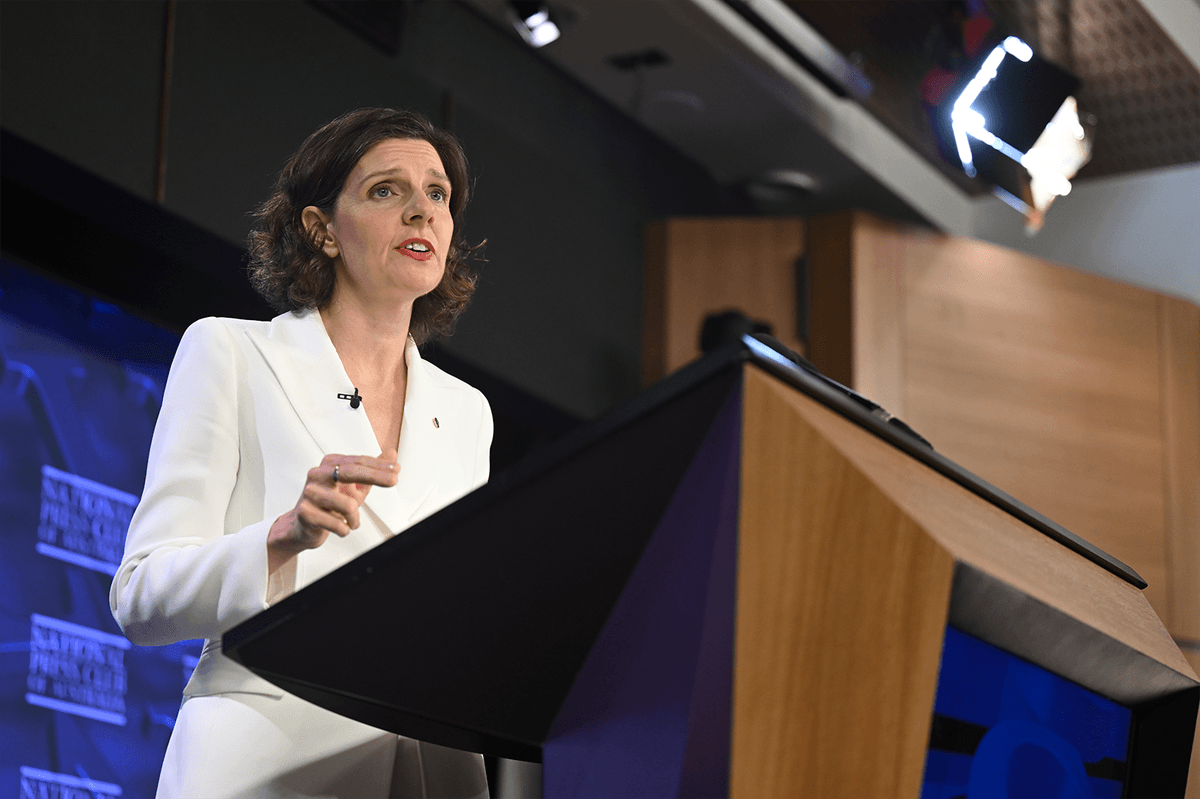
Most Australians do not realise that carve-outs exist in the Sex Discrimination Act or that in the present day, women are still losing their jobs for getting divorced.
As with most things in Australia, the ability to shackle women during child birth is a practice that impacts more First Nations women than others, and most women in parliament would never have spoken to a woman who had given birth while shackled to a bed. And yet, the Australian parliament could not even manage to support minimum guidelines.
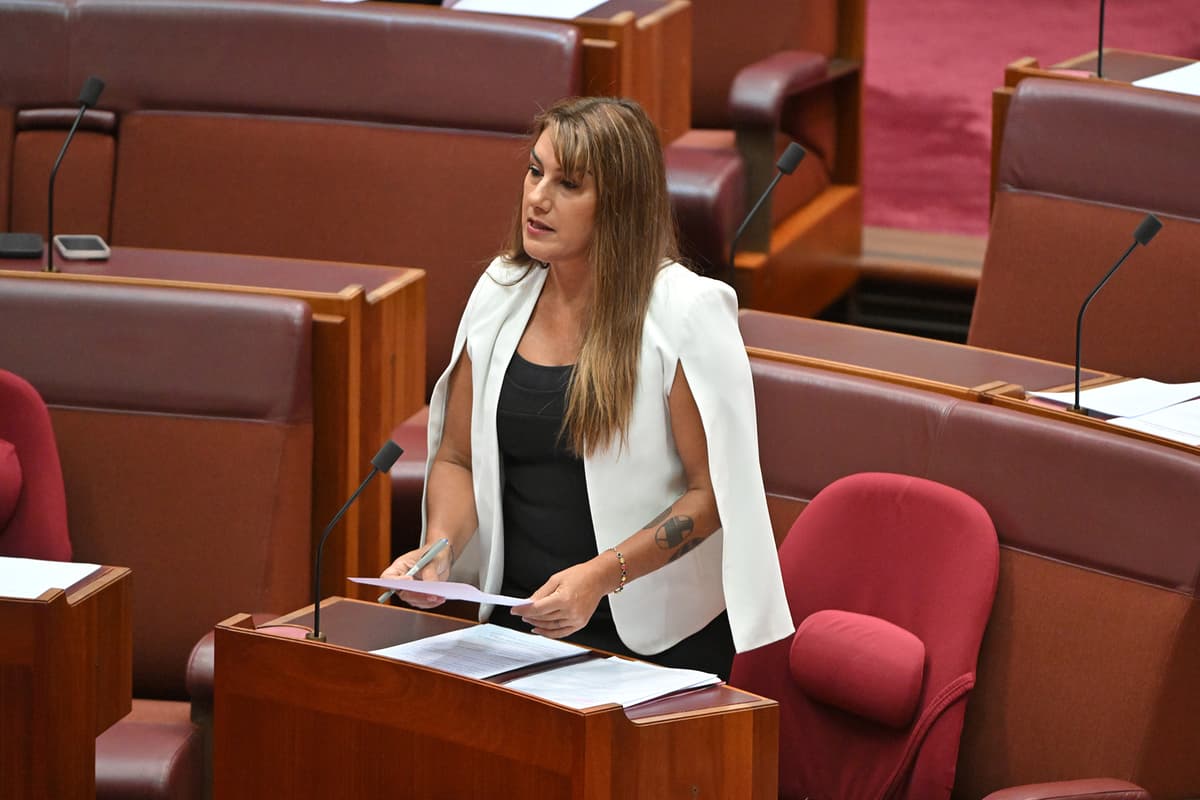
Australia’s 20 richest people now hold more wealth than the poorest three million households combined, with the Greens accusing Labor, the Coalition, and One Nation of protecting corporate interests while ordinary Australians fall further behind.
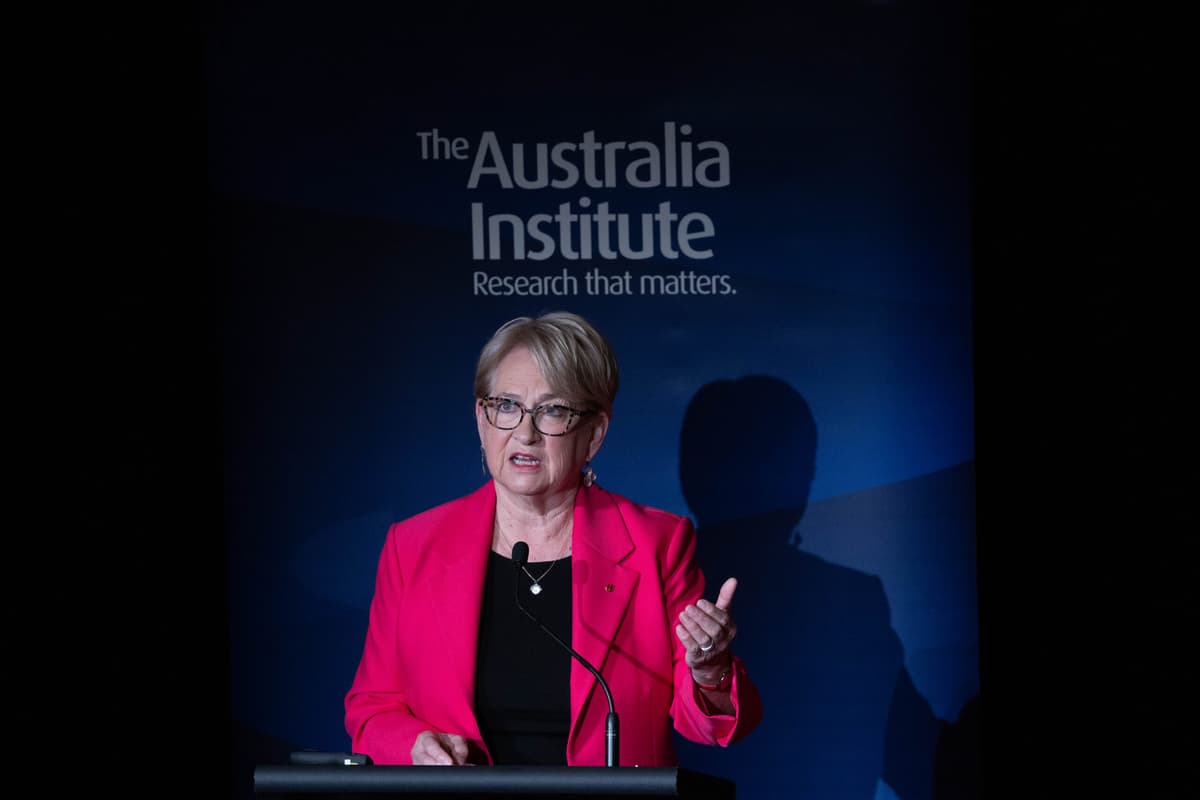
“What do you expect from your health practitioners? Safe care? Compassion? Respect?”
Those were the questions recently posted by the Australian Health Practitioner Regulation Agency (AHPRA) and the National Medical Boards via social media.
“AHPRA and the National Boards want to hear from health consumers and community members as part of their review of the codes of conduct for registered health practitioners,” the post continued, before asking people to complete a five-minute survey.
“Your experience. Your voice. Your say”, AHPRA declared
Patients and practitioners answered. They used the public comment section to describe their experiences and raise concerns about AHPRA and the regulatory system it administers.
Comments from patients and practitioners soon began to be hidden and/or deleted, while members of the public preserved screenshots documenting their removal. Patients continued commenting, publicly calling out the deletions and asking AHPRA why their feedback was being removed. Two days later – without answering those questions – AHPRA disabled the comment section entirely on all their social media platforms.
These were not generic comments under an unrelated post. They were responses from the very people AHPRA had publicly invited to speak about safe care, compassion and respect.
If a national regulator asks the public for its experiences, it must be prepared to hear answers that are uncomfortable.
Consultation cannot mean collecting feedback privately while criticism is removed from public view. When a regulator invites patients to share their experiences and then removes the critical responses, it sends a devastating message: protecting its public image appears to matter more than listening to the people it is supposed to serve. That’s reputation management – not meaningful consultation.
This was not the first time patients had been told their voices would be heard.
Earlier this year – in my role as patient advocate – I was invited to a meeting with the Victorian Department of Health after being referred initially via the, then Premier Jacinta Allen and Hon Mary Anne Thomas.
During that meeting, I was told that a patient-centred review and consultation process would open “mid-year”, allowing patients to contribute meaningfully to existing reforms involving Ahpra.
I was also instructed to communicate this information publicly.
I did so in good faith, thus risking my reputation as patient advocate.
But the promised consultation never happened. Instead, Ahpra announced a consultation for healthcare practitioners.
After seeing no sign of progress, I repeatedly contacted the Department seeking an explanation.
In August, I received a letter from Department Secretary Jenny Atta PSM. The letter apologised “for any inconvenience caused to you through sharing information with your network that may no longer be accurate” and encouraged me to “liaise directly with Ahpra”.
Did the proposed consultation process ever exist? If it existed, why was it cancelled? Who made that decision? Why was I instructed to promote it publicly? What opportunity would patients now receive to contribute meaningfully to reforms?
The Department did not answer these questions.
A five-minute survey about codes of conduct for health practitioners is no substitute for the promised patient-centred consultation into reforms of AHPRA and the regulatory system.
The sequence is difficult to ignore.
First, patients were told that meaningful consultation was coming. It never came.
Then AHPRA invited patients and community members to complete the survey.
When people also responded publicly, their comments were removed and the discussion was shut down.
Safe care, compassion and respect are not optional extras that require a survey to establish their importance. They are minimum standards that should already underpin healthcare and the regulation of health practitioners.
For many patients, the removal of their comments reflects a much wider problem: a regulatory system that asks the public for trust while resisting meaningful scrutiny.
Patients have raised serious concerns about how evidence is handled, whether all submitted material is properly considered, how reports involving serious or repeated harm can end with no further action, and what genuinely independent accountability exists when people believe the regulator itself has failed.
This should not be reduced to patients against practitioners.
Quality research, analysis, explainers and factchecks from experts you can trust.
Practitioners have also raised concerns about fairness, lengthy regulatory processes and the consequences they may face for speaking publicly about systemic problems.
Patients deserve safety. Practitioners deserve fairness. People harmed during health care deserve support. Everyone deserves accountability.
I have launched a national petition calling for two urgent national actions: a royal commission and a no-fault medical injury scheme.
At the heart of this petition is a question governments have repeatedly avoided: are AHPRA and the National Boards still fit for purpose?
Patients report serious allegations – and repeated warnings of harm. But too often the result is no regulatory action.
At the same time, practitioners describe being subjected to lengthy, damaging processes over low-risk, unsubstantiated or potentially vexatious complaints.
A regulator that fails to respond adequately to serious reports of harm while allowing questionable complaints to consume practitioners’ lives is failing both the public and the professions it regulates.
Patients and practitioners have repeatedly used the usual channels, only to be ignored, redirected or referred back to the same system.
That’s why we need a Royal Commission into AHPRA, the National Boards and Australia’s health practitioner oversight and patient safety systems.
Earlier this year, federal parliamentary petition EN9563 called for an external investigation into Ahpra and the National Boards. It received 545 signatures, was tabled in Parliament and referred to Federal Health Minister Mark Butler. Yet the response did not engage with the petition’s central request. Instead, the public was directed back to existing reforms. The very reforms the petition argued were inadequate.
Those who signed felt as though they had been palmed off.
These concerns cannot be answered through another internal or regulator-led review. AHPRA and the National Boards cannot be permitted to investigate themselves, redefine the problem and then effectively excuse themselves through their own reform narrative.
Recent National Law protections against retaliation towards people who notify regulators are a welcome step, but announcing reforms is not proof that the system is now working. Their scope, accessibility, enforcement and effectiveness must be independently tested, including whether practitioners who expose wider systemic failures are genuinely protected.
A Royal Commission would examine how evidence is handled, why serious or repeated reports can result in no further action, how potentially vexatious complaints are identified and managed, spendings, whether staff possess appropriate qualifications and training, and whether conflicts, governance failures or institutional self-protection influence regulatory decisions.
A Royal Commission would compel documents, require testimony, investigate the regulator internally, hear from affected patients and practitioners, test whether their actions were just previously and if existing reforms work in practice and allow the evidence to determine the findings.
Patients deserve protection from unsafe care. Practitioners deserve protection from unfair and exceedingly lengthy regulatory processes. When the system appears capable of failing both, another internal review is simply not enough.
The second action is establishing a national no-fault treatment-injury pathway, informed by New Zealand’s ACC model.
Under such as scheme, eligible patients harmed through healthcare would be able to obtain timely support without first having to prove negligence through costly and traumatic litigation.
The two actions are complementary, not interchangeable. A Royal Commission would investigate the systemic failures and determine what reforms are required. A national no-fault treatment-injury pathway would provide practical support to eligible patients harmed through healthcare.
Accountability without support leaves injured patients carrying the cost. Support without accountability can leave unsafe systems unchanged.
———————————-
Signing this petition does not prejudge what a Royal Commission would find. It says these concerns are too serious to be repeatedly dismissed and deserve independent investigation.
When a regulator asks patients and practitioners to speak, their answers should not disappear. When people petition Parliament, their central request should be answered—not redirected back to the system they are challenging.
If you believe patients deserve safety, practitioners deserve fairness and Australia’s health-regulation system must be transparent and accountable, please sign and share the petition:
Sign the petition: https://c.org/gLgtrLMhPc
Public trust cannot be restored through promises, deleted criticism or reforms that avoid independent scrutiny. It can only be restored through transparency, accountability and meaningful action.
———————————-
Maddison Teigan is a patient advocate living with complex regional pain syndrome (CRPS) whose experience of medical injury drives her campaign for stronger patient protections, accountability and support. She runs an Australian medical negligence support group and advocates for a Royal Commission into AHPRA and a national no-fault treatment-injury support scheme.


