While in captivity, I used to imagine different scenarios for my life—what it would be like once I was released and what I would do. One of those scenarios was very similar to the work I do now. I pictured myself working in psychoeducation and the humanitarian sector. That is why I found at MSF exactly what I had dreamed of.
Fri 6 Nov 2026 01.00 AEDT
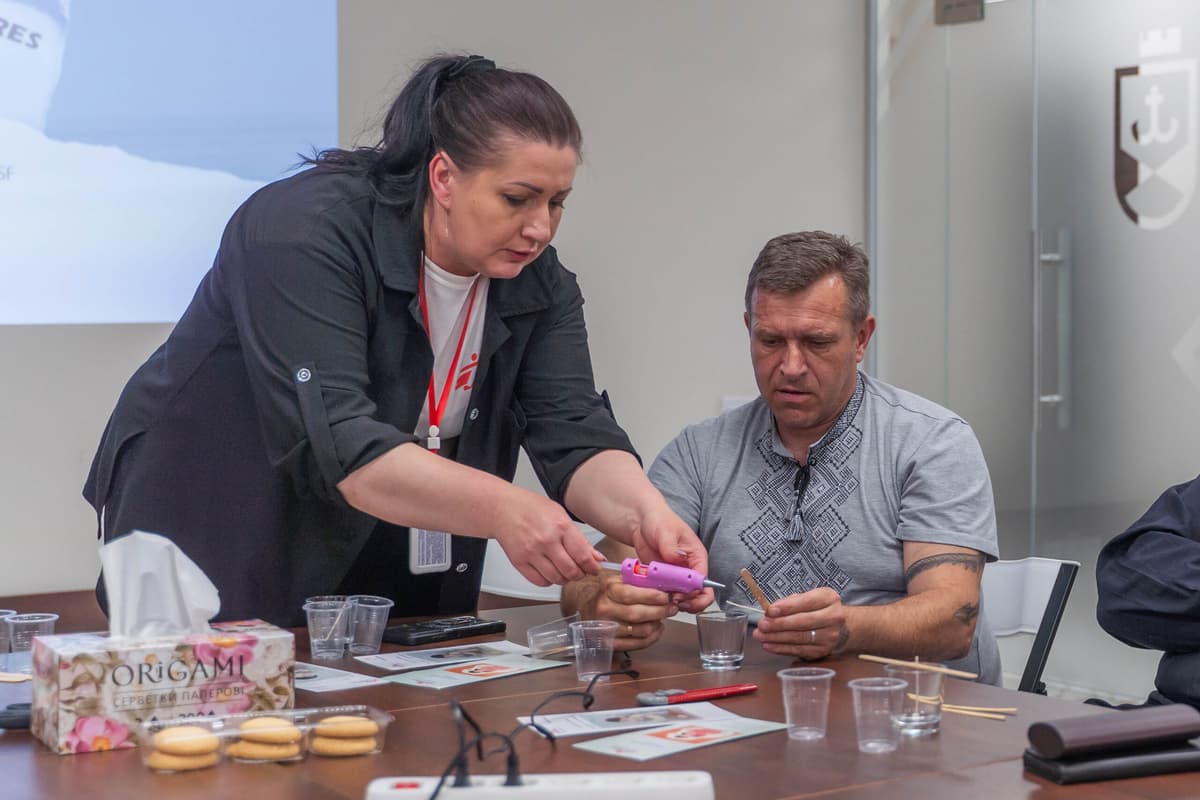
Médecins Sans Frontières (MSF) health promotion team in Vinnytsia is running a candle-making workshop at one of its partner hubs for veterans and their families. Photo: Dmitrij Demisev


Bearing witness to the conditions of Russian captivity and helping those who have endured it return to normal life is a way of fighting for humanity and humane values.
While in captivity, I used to imagine different scenarios for my life—what it would be like once I was released and what I would do. One of those scenarios was very similar to the work I do now. I pictured myself working in psychoeducation and the humanitarian sector. That is why I found at MSF exactly what I had dreamed of.
I was born in Mariupol and trained as a psychologist. However, in 2014, I decided to try my hand at journalism and worked for a local website until February 2022. On the first day of the full-scale invasion, I joined the local Territorial Defense, which consisted of ordinary people like me, with no military background. On April 12, 2022, I became a prisoner of war. I spent two years and eight months in captivity. In total, I was transferred eight times between various prisons and pre-trial detention centers, both within the Russian Federation and in detention facilities in the temporarily occupied territories of Ukraine.
The conditions in the places where Ukrainian prisoners of war are held—places of forced confinement and isolation that I experienced—fall far short of humane standards, let alone international standards. Speaking from my own experience, conditions were absolutely horrific in some places and somewhat more bearable in others. Yet everywhere I was held, there was humiliation, beatings, and interrogation, sometimes involving electric shocks.
I kept telling myself that I had to hold on and remain resilient so that I could bear witness to what I had experienced later. I now realize that this mindset was an asset; it helped me remain relatively intact psychologically.
When you first return from captivity, the initial euphoria soon fades, and the challenges of rebuilding your life begins. You have to deal with your health, psychological well-being, everyday practicalities, and legal issues. After a state-sponsored rehabilitation program, adjusting to civilian life is not easy. You have been cut off from information for a long time, people ask uncomfortable questions, and even waiting in a line or being in a crowd can trigger memories of captivity. As an internally displaced person, I also had to deal with additional bureaucracy. It felt as if everything was crashing down on me at once.
Quality research, analysis, explainers and factchecks from experts you can trust.
I realized early on that I needed psychological support to process my trauma and make it part of my past. I had ten sessions with a psychologist, during which we used exposure therapy, Brainspotting, and self-stabilization techniques. Although I was not diagnosed with PTSD, my medical records indicated an adjustment disorder, and I experienced symptoms that needed support. The sessions helped stabilize my condition, and I continue to work with a psychologist today.
Finding a job as an MSF health promoter also gave me a sense of purpose. I now share my experience, which I have processed and can talk about without psychological pain, and help communities understand how to communicate with former prisoners of war and their families. I explain which questions to avoid, how to approach sensitive topics, and how to build relationships based on trust and respect.
Having lived through this experience myself, I can also speak openly about the value of psychological support and help challenge the stigma surrounding mental health care among veterans and former prisoners of war. I explain the symptoms of PTSD, encourage people to seek professional help, and recommend the MSF-supported Vidnovlennia (Recovery) center in Vinnytsia. It is deeply rewarding to meet people later in the clinic who have taken that step and started treatment. I know that seeking support can make a real difference to their well-being.
Sometimes my thoughts drift back to Mariupol—to my Mariupol, as it was before the occupation by Russian forces. I recall its narrow streets, the historic district, my university years, and trips to the seaside. Memories of the time when I was shaping my identity and growing as a person immediately come flooding back. These inner journeys are very heartwarming for me. They are something I enjoy looking back on.
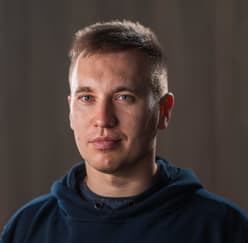
Oleksandr Hudilin is a health promoter at the Vidnovlennia (Recovery) mental health center in Vinnytsia, run by MSF. He spent two years and eight months in Russian captivity. After his rehabilitation, he found his calling in helping people with similar experiences in the humanitarian sector.
Specialists at the Vidnovlennia center provide psychological support to people experiencing post-traumatic stress disorder (PTSD) and others affected by the war in Ukraine. The MSF clinic’s patients include veterans, internally displaced people, former prisoners of war, and their families.

