The Victorian Premier’s announcement of mandatory court-ordered rehabilitation for young people found guilty of low-level offences such as theft, vandalism, property damage and minor assaults isn’t entirely without merit. But the money could be better spent than on youth prison. Those of us working in youth and community services know that lasting reductions in crime come from prevention.

Wed 11 Nov 2026 13.08 AEDT
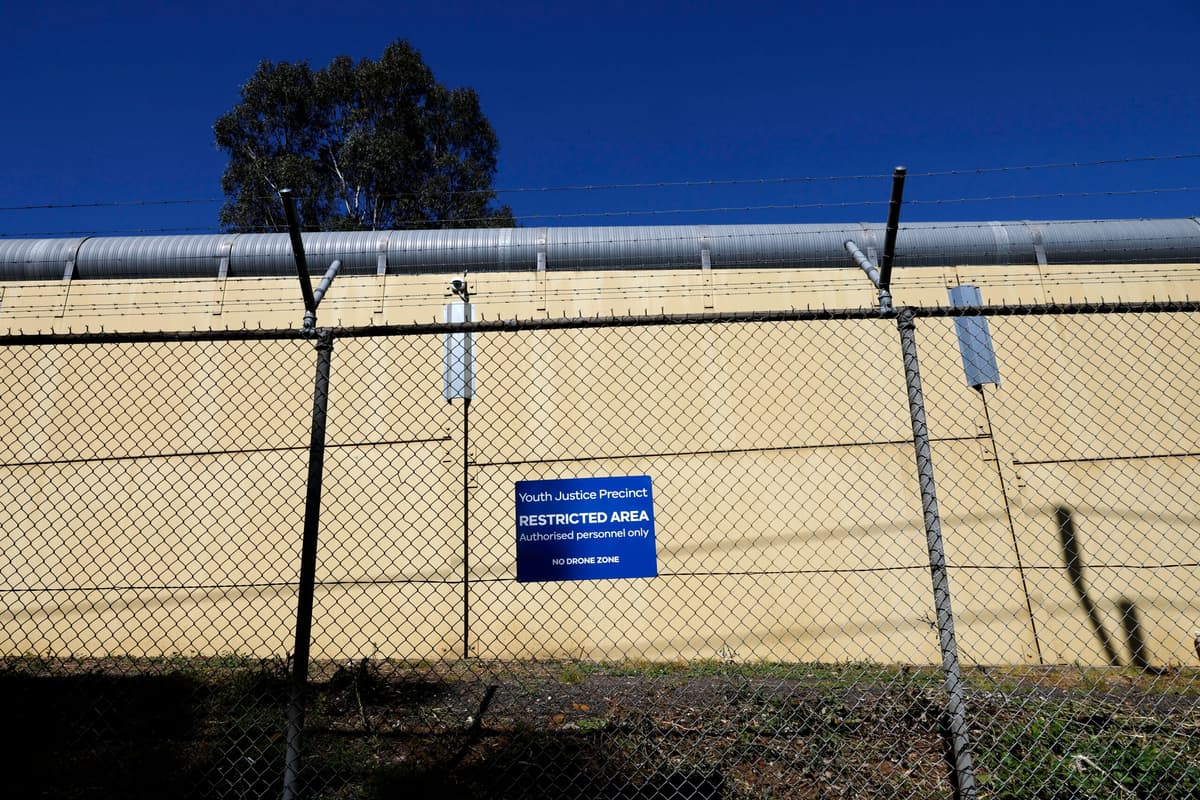
Photo: AAP Image/Con Chronis


Labor’s latest addition to its Adult Time for Violent Crime agenda commits $204 million to 500 young offenders over two years in 24/7 secure residential rehabilitation. The year-long court-ordered program includes education, drug and alcohol treatment, mental health support and life skills.
These are valuable supports. But safer communities require investment before young people reach crisis. From New York to Glasgow, Mexico City to Melbourne, there are lessons in what prevention can achieve.
I’ve worked in youth drug and alcohol rehabilitation facilities in Victoria and heard the stories of young people and families affected by offending. Some young people commit these crimes to survive poverty or in response to coercion, neglect, family violence or sexual violence.
Crime is unacceptable. But for voters worried about cost-of-living pressures and community safety, the question must be: what actually works?
The Victorian Greens’ community safety policy offers a useful framework: an Office of Community Safety and Crime Prevention to coordinate government efforts; visible 24/7 outreach teams staffed by health and social workers; greater investment in mental health, homelessness and alcohol and other drug services; and properly funded family violence prevention and support.
Public safety is not just what happens after a crime. It is about creating conditions in which crime is less likely to happen.
Victoria’s latest figures show a mixed picture. In the year to June 2026, recorded crime fell by 3.8 per cent and youth offending by 8.1 per cent; home invasions, carjackings and robberies also declined. But recorded crime remains 13.2 per cent higher than three years earlier, with more than 624,000 offences statewide.
Mental ill-health, substance dependence, family violence, unstable housing, disengagement from education and social isolation can contribute to offending and victimisation. We need to respond before these circumstances become a police matter.
Too often, what Victoria calls early intervention is crisis response. A young person has been arrested, a family has broken down, or someone has lost their home before the system steps in. That is not early enough.
There is a strong economic case for investing in young people. A Social Return on Investment analysis by Deloitte Access Economics, commissioned by the Youth Affairs Council Victoria (YACVic) and published in July 2026, found every dollar invested in youth work generates $2.96 in social and economic benefits. It identified $657 million in benefits for Victorians aged 12–25, including $239 million through improved mental health and wellbeing and $17 million in justice-system benefits through reduced reoffending and avoided costs.
The findings are reinforced by the 2025 Victorian Youth Alcohol and Other Drug Census, conducted by YSAS and La Trobe University across 13 youth AOD organisations. It examined 893 young people entering treatment and found more than half had previous criminal justice involvement, while 17.1 per cent had been involved in criminal activity in the four weeks before accessing treatment.
Importantly, these weren’t simply young people with substance use issues. Almost 60 per cent had experienced abuse, including family violence, sexual violence or neglect. More than a third had experienced family violence, around three in five were experiencing family conflict and almost half had education-related concerns.
The Census demonstrates that specialist youth services are already engaging with young people experiencing the very circumstances that can lead to offending. YSAS and other providers are doing this work every day. The opportunity is to reach more young people earlier, rather than waiting for the justice system to become their pathway into treatment.
Yet youth services continue to face short-term funding cycles and chronic underinvestment. YSAS specifically lost $1.84 million in funding for its highly effective Youth Support Service, and 11 youth drug and alcohol outreach workers are no longer supporting 330 families across Victoria because of this shortsighted slash.
If a teenager is regularly absent from school, sleeping on a friend’s couch or experiencing violence at home, waiting until they are arrested to offer support is a failure of prevention. A youth worker building a relationship over months, mental health care, a safe place after school or help finding stable accommodation can change that trajectory. The point is to understand the person, not just respond to the incident.
In New York, the Cure Violence model uses trusted community members to identify conflicts, work with people at risk and prevent retaliation. New York City’s Council Data Team found participating precincts experienced a 17 per cent reduction in shootings in the first year.
Glasgow’s Violence Reduction Unit treats violence as a public health issue, bringing together police, health, education, local government and community organisations. Its lesson is that preventing violence requires more than responding to individual incidents. This approach is already being applied in Victoria.
Quality research, analysis, explainers and factchecks from experts you can trust.
In Mexico City, the Utopías initiative brings sport, recreation, culture, education and care together in large community complexes in disadvantaged neighbourhoods. These spaces help people build connections and access services before reaching breaking point.
The common thread is connection: places to go, relationships people can rely on and services they can access.
There is also a compelling alternative for how we spend $204 million.
Melbourne City Mission and Orygen recently commissioned economic modelling by Equity Economics into 500 medium-term supported housing places for young people aged 18–25 experiencing homelessness and mental ill-health. The proposed two-year program would cost $140 million but generate an estimated $1.1 billion in benefits over 20 years, a return of $7.90 for every dollar invested.
The remaining investment could strengthen Victoria’s youth alcohol and other drug treatment system, including outreach, residential rehabilitation, withdrawal services and supported accommodation. This is not an argument against rehabilitation. It is an argument for making treatment accessible before a young person enters the criminal justice system.
We could also establish visible, 24/7 community outreach teams staffed by mental health clinicians, social workers, alcohol and other drug specialists and trained outreach workers. They could respond to distress, connect rough sleepers with accommodation and de-escalate situations before they become emergencies.
This wouldn’t replace police. It would allow police to focus on violence, organised crime and situations requiring their powers, while health and social problems receive an appropriate response.
Neighbourhood prevention hubs could bring youth workers, mental health services, family support, education assistance and employment pathways together. Schools, community organisations and councils should connect people with practical support before they enter the justice system. Family violence prevention must also be central, including safe housing and support for victim-survivors.
We must fund what works, not what sounds good in a media release or a novelty oversized cheque wheeled in weeks before an election. Programs need clear objectives, transparent reporting and independent evaluation.
There is a false choice in debates about crime: care about victims and community safety, or care about the circumstances of people who offend. We should reject it.
Victims deserve safety, justice and support. Communities deserve to feel safe. People at risk of offending deserve support that might prevent harm. Understanding why someone offends does not excuse their behaviour; it gives us a better chance of preventing it from happening again.
This is not being soft on crime. It is being serious about prevention.
The Greens’ proposed Office of Community Safety and Crime Prevention could coordinate government efforts, set measurable targets and direct resources where they are needed. The emerging agreement across Victoria’s political parties on housing gives us a foundation to build on.
Debates about police numbers and sentencing matter, but they cannot be the entirety of our community safety strategy.
A safer Victoria is one where people have a home, young people have opportunities, families can access support and communities have the resources to look after one another.
That is prevention. It is time we treated it as core public safety infrastructure.
David Jeffery is a community services worker and crime prevention expert.

