Discrimination is literally what private, fee-charging schools are about. They are transactional, designed to provide a private and positional good for the families who can pay their fees. Only public schools have any obligation to the public good – aka educating every child. The clue is in the name.
Thu 12 Nov 2026 11.06 AEDT
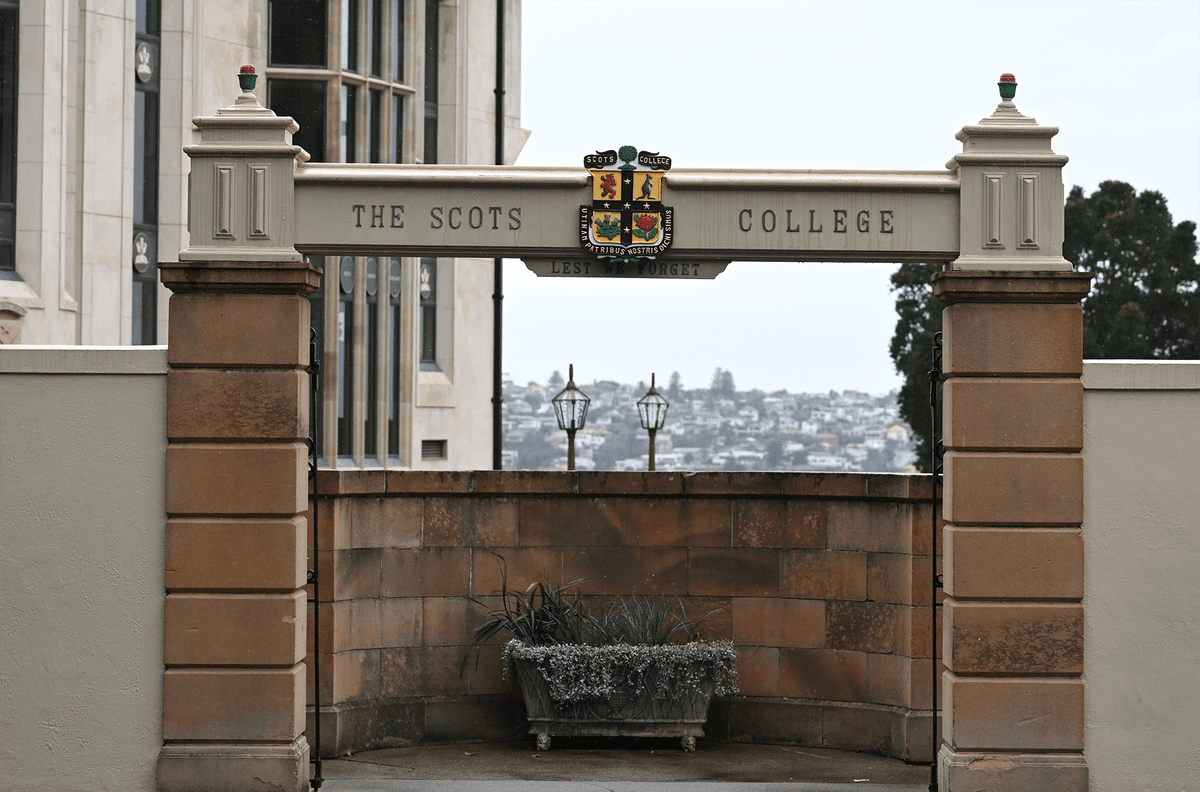
Photo; AAP Image/Dean Lewins


Almost every private school (about 94% of private schools in Australia are religious) has a statutory exemption from the Sex Discrimination Act. They have had it since 1984, when the Act was first introduced. Virtually all private schools are also generously publicly subsidised, some now receiving as much, if not more, public money than similar public schools. What this means, in effect, is that thousands of publicly subsidised schools are legally allowed to discriminate against many of the taxpayers who help fund them while thousands of other schools are not.
Public schools cannot discriminate for any reason. They alone are expected to shoulder the responsibility for the education of every child regardless of their parentage, economic background, sexual orientation, religious belief, ethnicity or anything else. Private schools can pick and choose who they will educate and who they won’t. Who they will hire and who they won’t.
Allegra Spender, Federal MP for the uber-wealthy NSW seat of Wentworth, has recognised this double standard and has introduced into Federal Parliament an Amendment to the Sex Discrimination Act; the Sex Discrimination and Fair Work Amendment (Equality in Treatment in Religious Schools) Bill 2026.
Defenders of private schools often respond to accusations of discrimination anecdotally. ‘My kid’s school would never do that’, they say, or ‘we have a gay maths teacher, and everyone loves him’. This may be true, because the ‘statutory’ part of the exemption means such schools can discriminate or not, depending on whim. With physics teachers in short supply, for example, a religious school can turn a blind eye to remarriage after divorce or same sex cohabitation if it suits them. However, if a more ‘acceptable’ physics teacher turns up, there is nothing to stop the school from giving the less acceptable one the heave-ho.
Private schools can also discriminate against students. They may discriminate against young people struggling with their sexuality, gender identity or, frankly, anything they like. Sometimes they may choose not to discriminate. The point is that they can. The right to discriminate is fundamental to private schools. Perhaps that is why they fight so hard to retain the exemption and even to extend it via the Religious Freedom Bill. In 2018, after the successful Same Sex Marriage postal survey, 34 principals from high fee Anglican schools in Sydney signed an open letter to then education minister Dan Tehan urging him to protect their right to exclude LGBTQI teachers and families. Such was the parental backlash; most of them subsequently backtracked.
Backlash or not, many LGBTQI parents seem eager to send their children to schools that will not give up their right to discriminate against people like them unless forced to do so by an amendment like Spender’s. Even more bizarrely, they pay big money for the privilege.
Quality research, analysis, explainers and factchecks from experts you can trust.
The obvious question is why?
Discrimination is literally what private, fee-charging schools are about. They are transactional, designed to provide a private and positional good for the families who can pay their fees. Only public schools have any obligation to the public good – aka educating every child. The clue is in the name.
While Spender is understandably exercised about discrimination against LGBTQI citizens, the largest group of children that private schools discriminate against are, of course, the children of the poor. Charging fees is one of the most effective sorting mechanisms ever invented. Even so-called ‘low’ fees are too high for many families. Yes, yes, I know, private schools offer some scholarships and bursaries, but all that does is nick any high achievers from the public school system, leaving the children they don’t want worse off. That is why Australia now has one of the most segregated education systems in the OECD. This segregation is not driven by prejudices about sexual orientation or marital status, but prejudice about social class. Our concentrations of disadvantaged kids in disadvantaged schools, mostly public, and advantaged kids in advantaged schools, mostly private, are currently increasing at the second-fastest rate in the OECD. Spender’s well-meaning amendment will do nothing to change that. It may make it worse.
Yet middle-class Australians either don’t notice this discrimination, don’t care, or endorse it. Many parents choose private schools specifically to isolate their own children from those they see as undesirable. Clive and Myra Hamilton, in their excellent book ‘The Privileged Few’, point out that while Australia has made strides in the number of women, LGBTQI and multicultural representatives in bastions of wealth and power, little has changed for those considered to be lower class.
Indeed, I would argue that while most of the rest of the world uses its education funding to narrow the inequalities visited upon all children in the lottery of birth, Australia has done the opposite. We have used ours to build a class system. Public schools set the standard in non-discrimination, while private schools continue to do everything they can not to catch up.
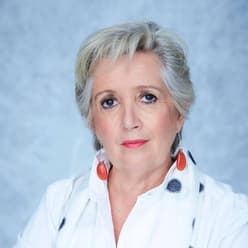
Jane Caro AM is a Walkley award winning columnist, author, novelist & social commentator.

