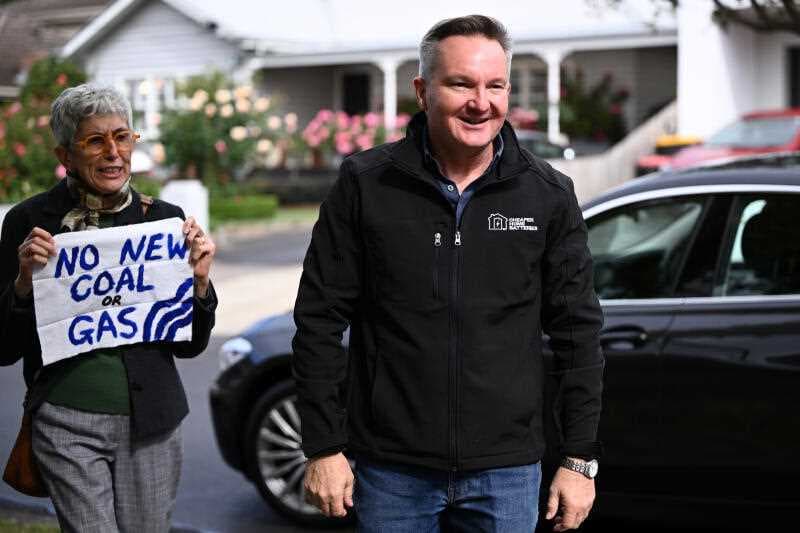
On a Friday afternoon, the Albanese Government gave its approval to a 40-year extension of Woodside’s North West Shelf gas export hub – greenlighting a giant carbon bomb that could generate emissions equivalent to 12 new coal mines.
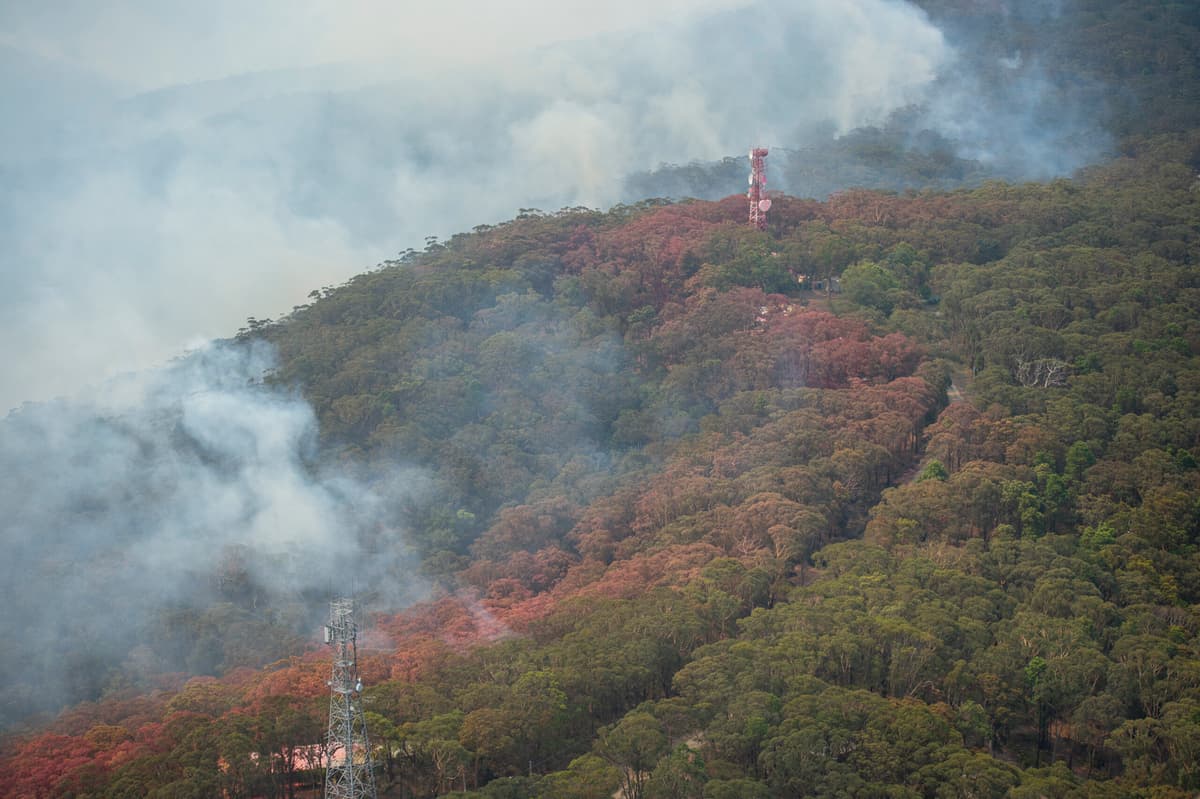
On the Monday morning, the same Government released a National Climate Risk Assessment that details how climate change caused by burning fossil fuels is set to catastrophically alter our lives, our health, our environment, and our economy.
On the current trajectory, Australia is headed for a 3° Celsius rise in temperatures. Forecast impacts include a quadrupling of severe and extreme heatwaves. Death from extreme heat is projected to soar by 444% in Sydney, 259% in Melbourne, 335% in Townsville, 312% in Perth, 146% in Launceston and 423% in Darwin.
By mid-century, communities currently home to more than 1.5 million people will be at high to very high risk of flooding, and those home to 3 million by the end of the century.
Marine heatwaves will create acid oceans. Algal outbreaks like the one that’s devastated marine life in South Australia will blossom.
Property prices in areas affected by increased risk of floods and other extreme weather events will collapse, and homes and commercial buildings will become uninsurable.
Remember all the talk at the Treasurer’s Economic Summit about the need to boost productivity? In key industries it could fail under the strain.
Cumulative wealth loss in Australia from reduced agricultural and labour productivity from climate change could exceed $19 billion by 2030, $211 billion by 2050, and $4.2 trillion by century’s end, according to data cited in the report.
Critical and essential services, including health, aged care, water supply, energy and transportation, face immediate risks from climate change.
These are just the highlights, for want of a better word, of the multilayered misery that climate change will bring on the Government’s own reckoning.
How do you square this with its approval of new coal mines, and a gas development that could create six billion tonnes of greenhouse gas emissions in coming decades?
According to climate scientist Bill Hare, a lead author for the Intergovernmental Panel on Climate Change (IPCC) Fourth Assessment Report, total emissions from Woodside’s full Burrup Hub project will consume 6% of the remaining global carbon budget for keeping global temperature rises to 1.5˚C above pre-industrial levels.
Crossing that 1.5°C threshold risks unleashing far more severe climate change impacts, including more frequent and severe droughts, heatwaves and rainfall. That is why the world signed up to the goal of keeping global temperature rises as close to 1.5˚C under the legally-binding Paris Agreement ten years ago. Approving new fossil fuel projects and extending the life of existing ones is incompatible with that goal. Four years have passed since the deadline for stopping all new coal, oil and gas development identified by the International Energy Agency.
But the gas industry wants to gaslight you into thinking otherwise – aided and abetted by politicians from both sides of the aisle at federal and state level.