

Most of us don’t have trusts, and those who do earn a lot more than the rest of us
Discretionary trusts are the tool of those with high incomes to minimise paying tax, and you can understand why they are unhappy about that ending.

Greg Jericho is a Walkley Award winning columnist, known for his regular columns for Guardian Australia and social media presence as Grogs Gamut. He is the Chief Economist at The Australia Institute.
Discretionary trusts are the tool of those with high incomes to minimise paying tax, and you can understand why they are unhappy about that ending.
In May when the RBA raised the cash rate for the third time in three consecutive meetings, journalist Michael Pascoe asked the Governor of the RBA, Michele Bullock, a question based on the Reserve Bank’s at the time prediction for unemployment to hit 4.7% in June 2028.
The latest corporate tax data released today by the Australian Tax Office (ATO) showed that once again, major gas producers are paying no company tax, and despite claims that changes to the Petroleum Rent Resources Tax (PRRT) would deliver “more revenue sooner”, the PRRT in 2024-25 raised less tax than in 2020-21.
Inflation in August rose from 3.5% to 4.0%, which might make you think the RBA had a point in raising interest rates yesterday. The problem is that all of the increase was due to petrol prices.
Greg Jericho, Chief Economist at the Australia Institute, annotates the RBA’s latest statement, breaking down what the central bank is really telling us.

At 2:30pm, the Reserve Bank is almost certain to raise the cash rate to 4.6%, the highest it has been since November 2011 when the RBA cut the cash rate from 4.7% to 4.5%. It will be the act of a central bank hostage to old thinking and an inability to react to supply shocks.
The latest Enterprise Bargaining Agreements data provides even more evidence that the labour market is not “tight” and that the Reserve Bank should not be looking to increase unemployment by raising rates next week.
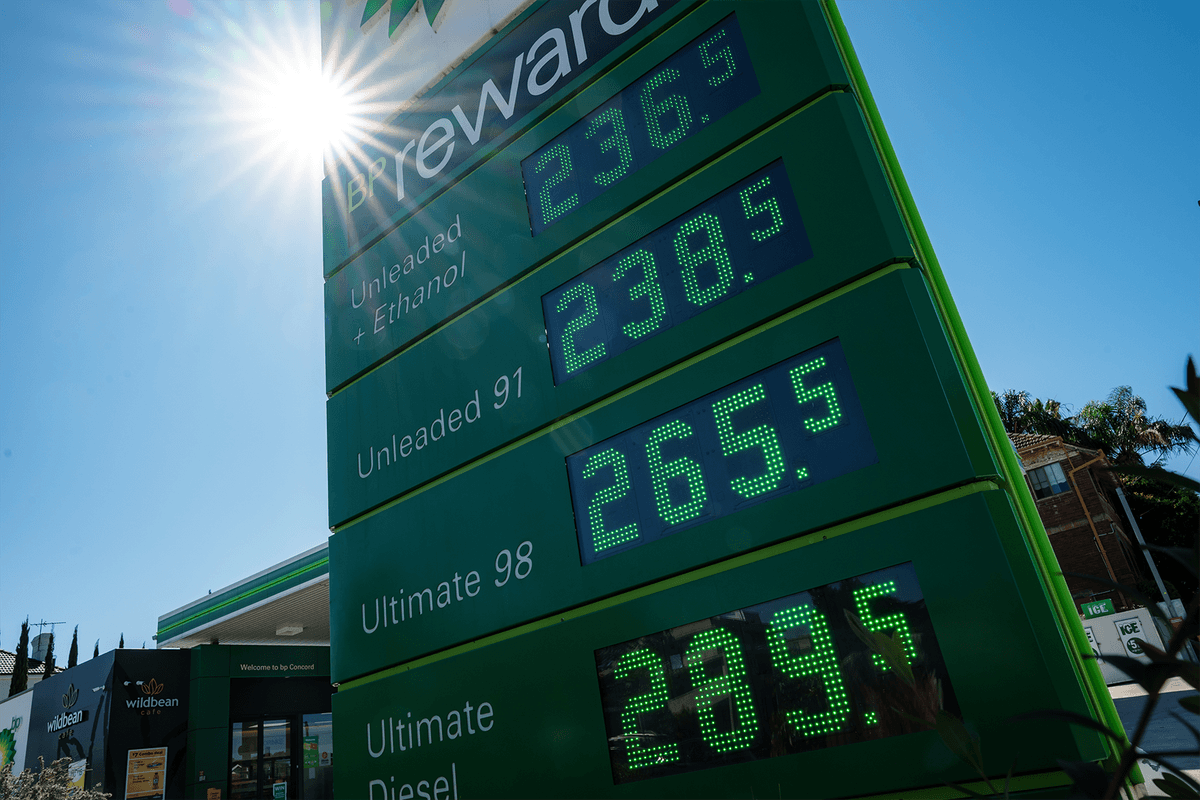
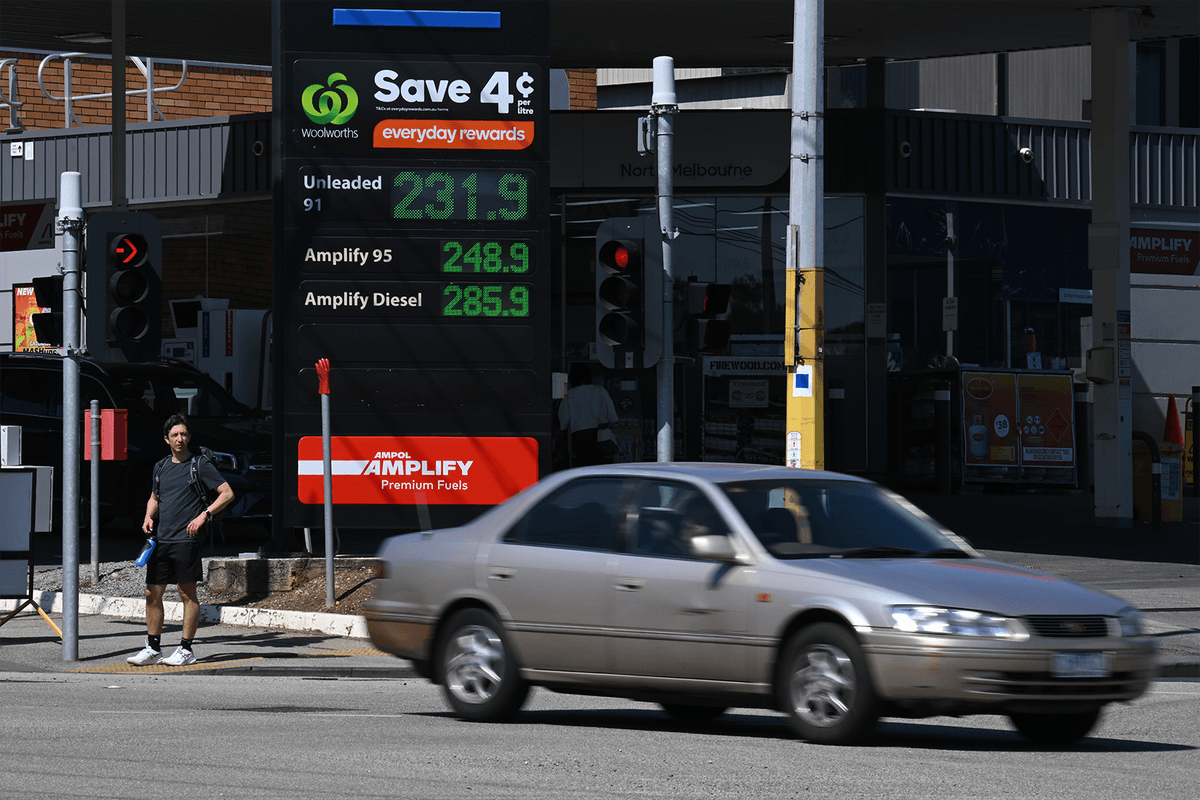
Next Tuesday, the Reserve Bank seems certain to once again raise interest rates. But the 74 cent/litre increase in petrol prices since June has already worked to hit households as much as two rates rises would.
In August, the unemployment rate rose to 4.6%, the highest for nearly 5 years, even as employment continued to grow relatively solidly. It will do little to change the likelihood of a rate rise next week.

The Seventh Intergenerational Report (IGR) released today by the Treasurer Jim Chalmers looks all the way out to 2066 and yet is mostly focused on the present and the fad-like demand of AI and data centres. Each iteration of the IGR is less about the projections than its focus.
10 of 124 articles