Gender pay gap for full-time workers continues to shrink, ABS figures show
The ABS has released the May average earnings figures, which allows us to look at the gap in pay between men and women. The good news is that the gap is narrowing.

One of the risks for higher inflation comes from the data centre boom we are now seeing. The RBA’s liaison with business has detected that data centres are hoovering up construction workers, adding to capacity constraints in the economy.
Tue 18 Aug 2026 01.00 AEST
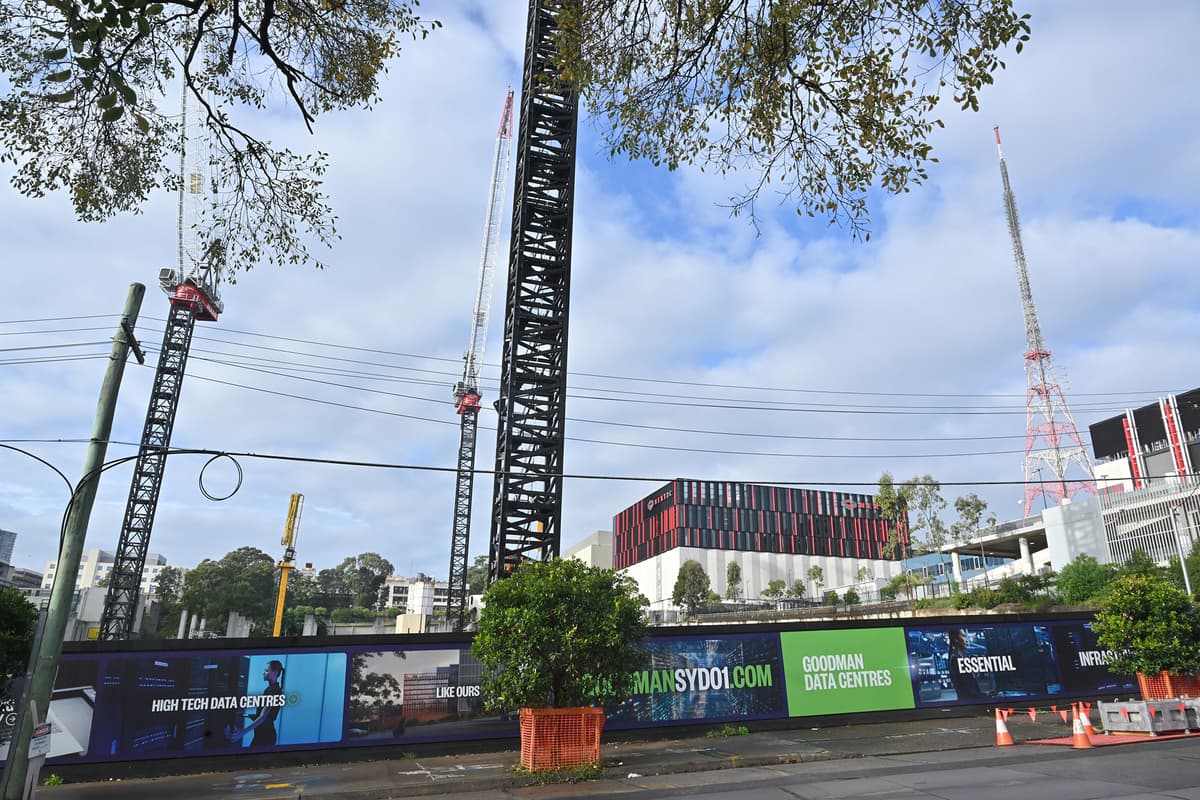
Photo: AAP Image/Mick Tsikas
On Tuesday, the Reserve Bank of Australia (RBA) kept the cash rate on hold.
However, in both Michele Bullock’s media conference and in the RBA’s August Statement on Monetary Policy, there was a bit of focus on the ‘risks’ of an increase in inflation, and the need for more interest rate rises.
For now, the market is rating it at a bit over a 50:50 chance of a rate rise by the end of the year – a smidge higher than was the case before the decision yesterday.
But one of the risks for higher inflation comes from the data centre boom we are now seeing.
The RBA’s liaison with business has detected that data centres are hoovering up construction workers, adding to capacity constraints in the economy.
The statement of monetary policy noted that:
Stronger-than-expected growth in AI and related technology prices may flow through to upstream producer prices and consumer prices, while a larger indirect effect could operate by exacerbating current capacity pressures, for example, through higher growth in construction demand for data centres that could push up costs elsewhere in the construction sector.
The scale of the current data centre construction boom is striking.
The building of data centres now accounts for about 19% of all non-residential building that has been commenced in the past year.
That’s a massive surge.
In the short term, if a new building project is announced that will ‘create 1,000 jobs’ and unemployment is already low for construction workers, the new project will need to pay more to get workers.
This does two things: it increases the price of labour and takes workers away from other projects less able or willing to pay. This can benefit the workers, but also increases the price of construction and means less construction is done in other industries. The same logic applies to things like construction materials.
Right now, there are already shortages of skilled labour and materials in the construction industry. This means a new AI data centre construction boom is only likely to increase construction prices and reallocate workers from other things, such as building or renovating houses, infrastructure, schools and hospitals.
Looking at Victoria, a centre of the data centre boom, more work is already being done building data centres than hospitals and, as of March, schools.
This impact is only likely to intensify. Looking at the value of work in the pipeline, data centres have skyrocketed to more than schools and hospitals combined.
But the RBA suggests that as “most activity in this sector is occurring in New South Wales and Victoria where capacity constraints are less binding than in other regions” for the moment “domestic availability of materials and contractors is generally not a significant constraint”.
So, for now, the data centre boom is not a reason for the RBA to raise interest rates because there is not a sense of it leading to a boom in wages. It is always worth remembering that the big thing the RBA fears is fewer people unemployed and more people getting higher wages.

The ABS has released the May average earnings figures, which allows us to look at the gap in pay between men and women. The good news is that the gap is narrowing.
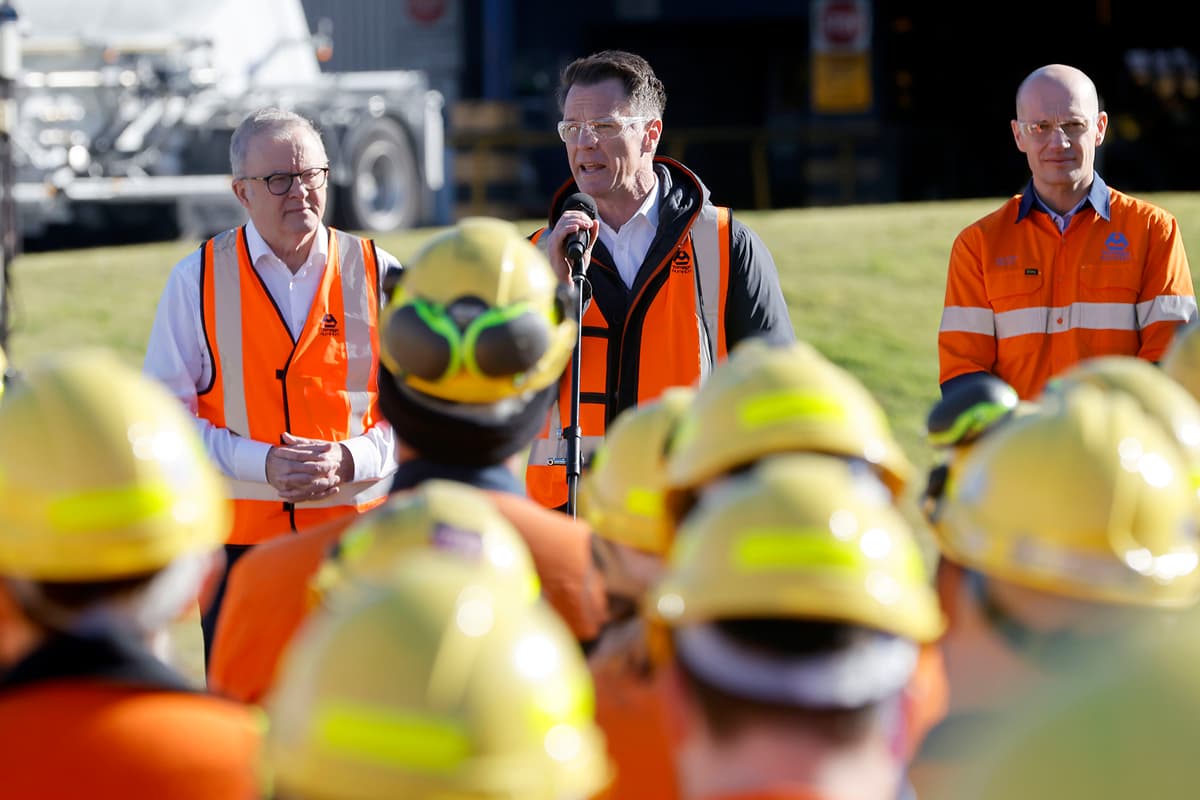
The deal to save the Tomago aluminium smelter is no ordinary bail-out. It’s the result of more than year’s negotiations with a return to the taxpayer, the workforce, the shareholders and the planet.