Politicians can be too cynical for their own good. As I argued in The Point, they would often do better with the common good, not apparent political advantage, as their guide.
Here are six times when politicians paid the price for pursuing short-term self-interest:
Senate shenanigans cost Labor a safe seat six years later
After the 2016 double dissolution, the Senate had to divide six-year and three-year terms between senators. Labor and Liberal voted for the less-fair model because it gave their senators more six-year terms.
As observed by election analyst Malcolm Mackerras, that led to a bottleneck in 2022 when there were too many NSW Labor senators. Senator Kristina Keneally missed out.
To keep Keneally in politics, the party parachuted her into the safe seat of Fowler – blocking a local Labor candidate.
Independent Dai Le ran against Keneally and won convincingly.
If Labor had voted for a fairer Senate distribution in 2016, Keneally could be in Cabinet today and Labor might still hold Fowler.
Morrison ditches anti-corruption watchdog for religious discrimination bill, gets neither
The Morrison Coalition Government promised for four years to introduce a federal anti-corruption watchdog. What it eventually proposed was worse than nothing.
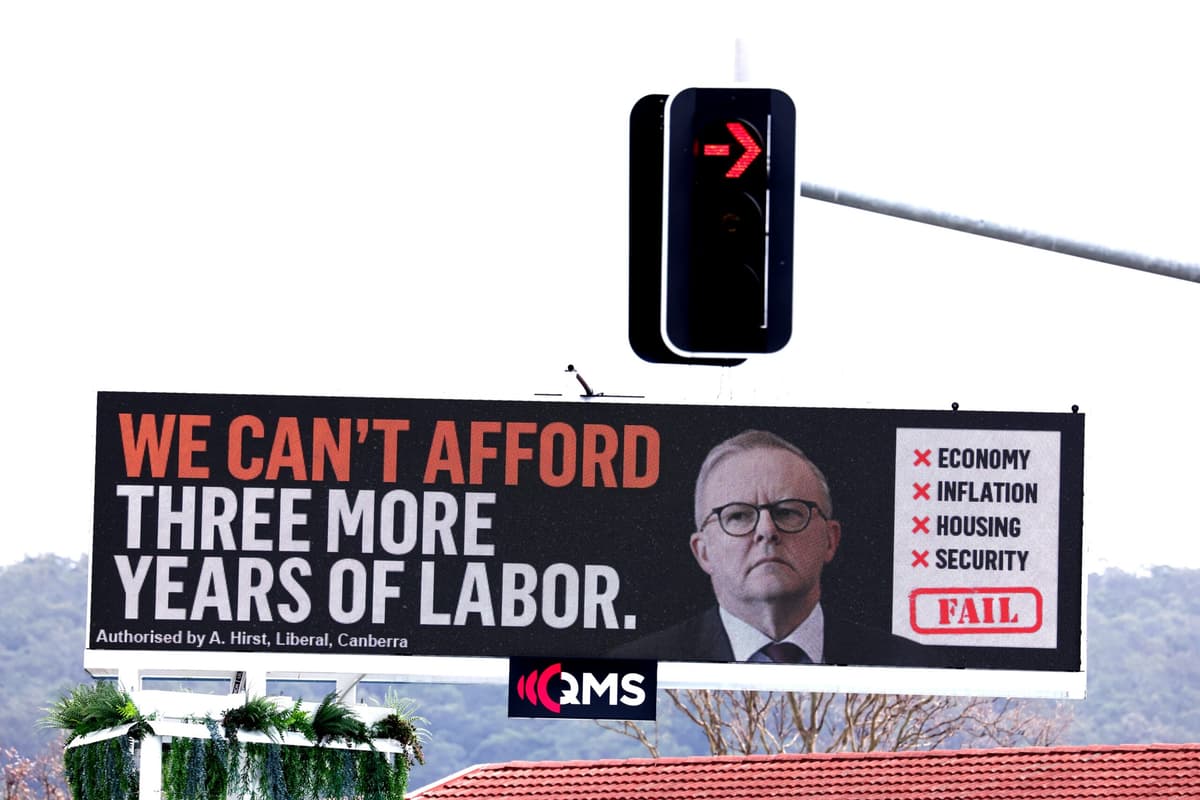
It did not even bring that to a vote. Prime Minister Scott Morrison pulled the bill to prioritise a controversial religious discrimination package instead. According to senior journalist Michelle Grattan, Morrison “thought he could tactically outplay Anthony Albanese, wedging Labor on an electorally sensitive issue.”
The package was so concerning that five Liberals crossed the floor to vote with Labor and crossbenchers to include discrimination protections for children.
Morrison preferred to shelve the whole package than include the protections. Two months later, Morrison ditched the promised anti-corruption body too. Under pressure on integrity and having wedged themselves, the Liberals lost the subsequent election.
Albanese delivered a National Anti-Corruption Commission that, while there is room for much improvement, has powers well beyond what Morrison intended.
Months after funding changes, Greens lose two-thirds
When the Malinauskas Labor Government in South Australia rushed through unfair and expensive changes to elections last term, it included arbitrary funding rules.
A party with two politicians gets about three times as much administrative funding as a party with one politician – for no apparent reason, except that the SA Greens had exactly two politicians. Taxpayer funding for a party with two MPs is suspiciously close to the SA Greens’ running costs.
Then the Greens’ second MP defected. The party faced the same costs, but with about a third of the funding it was expecting. The Australia Institute warned that this kind of thing could happen. It would be a year, and another election, before the SA Greens got back to the funding they were expecting.
Labor cuts seats to hurt the Coalition, hurts itself
When Labor Premier Bob Carr was in power in the 1990s, the NSW Legislative Assembly had 99 seats.
Because of a quirk in Sydney population distribution, Labor calculated that cutting the number of seats by six would give them the advantage.
It was the opposite. According to history of NSW politics The People’s Choice, the changes:
- made things worse for Labor in pure numbers
- cost Labor MPs their home-turf advantage and
- with fewer seats to go around, provoked messy preselection battles.
Labor’s Damian O’Connor called it: “the greatest own-goal in the history of the NSW Right [faction of the Labor Party]”.
Liberal and One Nation pre-selection woes
While Prime Minister, Scott Morrison intervened to save controversial MP Craig Kelly from facing a democratic preselection vote. Kelly spent much of the next term challenging the government on COVID-19 and then quit the Liberals to serve as Clive Palmer’s United Australia Party’s only parliamentary representative.
One Nation has also budded competitors when its politicians defect to form their own parties or sit as independents: Fraser Anning in 2019, Rod Culleton in 2022, Mark Latham in New South Wales and Sarah Game in South Australia.
Pain for minor parties almost rebounds on the Coalition
The Liberal–National Government raised the number of members a registered political party needs to 1,500. That’s not unreasonable for a nationwide party but very hard for one based in a single state or territory.
The Country Liberal Party only exists in the Northern Territory. The Parliament had left a loophole for parties with parliamentary representatives. But when Sam McMahon, its only senator, quit, the party very nearly lost its registration. Only the timing of the 2022 election saved the party, with CLP Senator Jacinta Nampijinpa Price winning the seat from McMahon.
In conclusion, when deciding policy and voting on new laws, politicians weigh many considerations. Of course self-interest will feature. But the future is uncertain, and politicians would have often been better off doing the right thing instead of playing Machiavelli.