It is absolutely true that conservative elements in politics and the media have been very good at suggesting inflation is begin driven by government spending. It’s a good argument to make at time when inflation is high, but it is really about those who dislike government services using it as an excuse to advocate for cuts to those services.
Fri 27 Nov 2026 15.18 AEDT
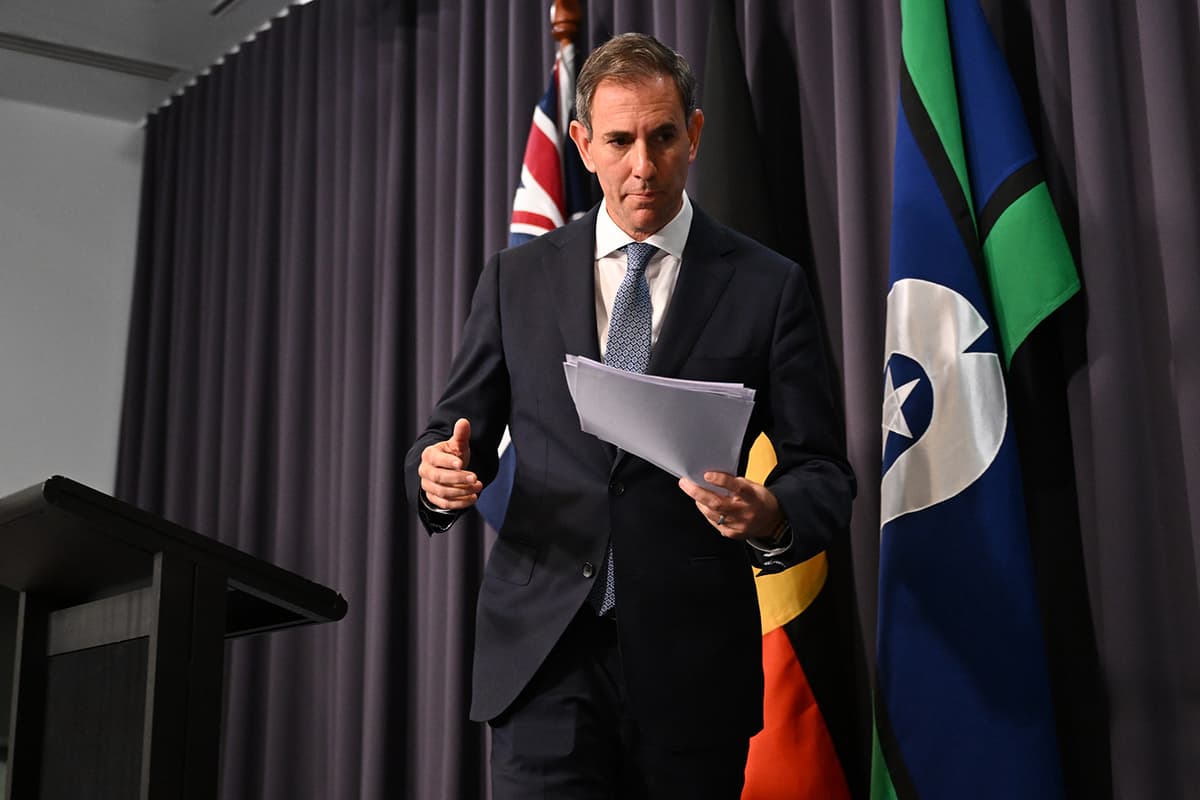
Photo: AAP Image/Lukas Coch


It is absolutely true that conservative elements in politics and the media have been very good at suggesting inflation is begin driven by government spending.
It’s a good argument to make at time when inflation is high, but it is really about those who dislike government services using it as an excuse to advocate for cuts to those services.
The argument is based on the suggestion that “excess demand” (i.e. too much spending) is causing inflation.
But we know this is not the case. When excess demand causes inflation you not only see rising inflation but also falling unemployment, strong employment growth, strong real wage growth, and strong GDP growth.
We’re not observing any of those.
Were government spending causing inflation we would expect to see government spending adding more to total demand, but the opposite is occurring. In the most recent figures from the Australian Bureau of Statistics, government spending added less to the growth in the economy than it did for most of the mining boom (which was a time of excess demand) and well below the average of the past 20 years.
The RBA said this in its latest Statement on monetary Policy. They said “In Australia, GDP growth has slowed this year to a little below its potential growth rate. This largely reflects softer growth in household consumption, consistent with the earlier easing in household income growth, as well as in exports and public demand.”
We would also expect to see non-market (government) employment growing much faster than the market sector. It is not. The latest figures have non-market sector annual employment growing just 1.3% (less than half of the long-term average of 3.3%). By contrast the market sector employment is growing at 1.2% (compared to its long-term average of 1.6%).
We can also look at the latest inflation figures and it’s clear the rise in oil prices is the main driver. In the past 4 months the increase in petrol prices accounted for almost half (45%) of the entire increase in inflation.
In the past year the other biggest increase was electricity prices due to the end of the government subsidies that were still in place in October last year.
The Australian Bureau of Statistics noted that in October: “The annual rise of 25.2% in electricity is largely due to the ending of Commonwealth government electricity rebates over the year. This is up from a 12.8% rise in the 12 months to September 2026, due to the timing of rebate payments in 2025.”
This is just a quirk of timing and not a sign that electricity prices are actually soaring. In fact, in the month of October, they fell.
Quality research, analysis, explainers and factchecks from experts you can trust.
If we took out petrol and electricity prices annual inflation would be 3.3% not 4.9%!
And yes 3.3% is above the RBA’s target, but hardly by an amount that deserve 5 interest rate rises in 10 months, and certainly not at a level that suggests “excess demand” that needs an extra 129,000 people to be unemployed this year.
It would be wonderful if government spending were the reason – it would be such an easy fix.
But unfortunately, that is not the case, however convenient an excuse it is for those pushing for less government services.
The RBA is acting as though the economy is running so fast that the brakes need to be slammed to slow it down.
The reality is unemployment is rising at a pace usually seen just before recessions. That’s not a fast-running economy suffering from excess demand.
The RBA thought unemployment would only get to 4.9% in December next year – they were out by 14 months. If they had known unemployment was already at 4.9% when they met on Melbourne Cup Day, they almost certainly would not have raised rates (3 of the 9 members voted not to raise rates because they were worried unemployment was rising faster than the RBA estimated – they were right!).
We know that interest rates take many months to have an impact – this means that the September and November rates rises have yet to impact the economy – and it means almost certainly that unemployment will rise above 5% early next year – if not in November or December. Again, the RBA was predicting that would only happen at the end of 2028.
The RBA’s forecasting has been far too optimistic and as a result the RBA board raised rates in November thinking unemployment was not rising very fast. They were wrong.
Already the market is predicting 2 rate cuts next year. The government can step in and do one of them now by overruling the RBA’s mistake in November.
Advertisement