Since the Federal Election, which was fought on who could make housing more affordable, housing has become even less affordable.
Mon 3 Nov 2025 15.23 AEDT
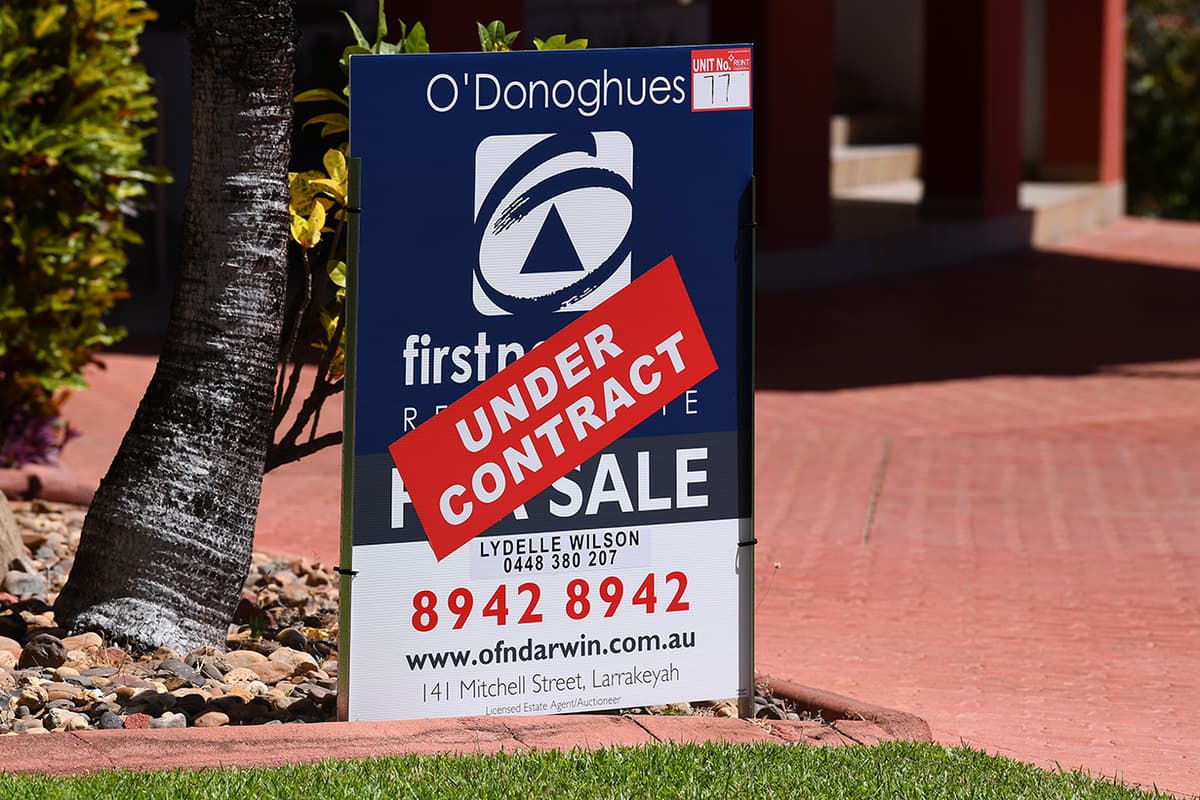
Photo: AAP Image/Jono Searle


You might think this would push the Government to act, but they continue to rule out cracking down on generous tax concessions that are making housing more expensive affordable.
Latest data from Cotality shows house prices went up 1.1% for October and 6.1% for the year. When prices rise faster than incomes, housing is becoming less affordable.
So, incomes would need to rise by at least 6.1%. They didn’t. In the last year incomes rose only 3.4% as measured by the wage price index (WPI).
This is not surprising. There has been three interest rate cuts this year. Also adding fuel to the house price fire is the Government’s scheme to allow first home buyers to get in with just a 5% deposit. Ironically, this has been sold as a policy to make housing more affordable.
Despite what we were told at the last election, we seem to be getting the opposite of what we were promised.
The Federal Government continues to claim that the only solution is to increase housing supply. Increasing supply will help make housing more affordable, but it is the slowest and most expensive way to do it.
Housing supply is also a State and Local Government issue. The only thing the Federal Government can really do to stimulate supply is to give money to State Governments. When the Federal Government says supply is the only solution, they’re really saying it’s not our problem.
But not everywhere is doom and gloom when it comes to housing affordability. Melbourne continues to defy the trend, with prices increasing only 3.3% for the year. This means Melbourne has continued to become more affordable.
Five years ago, just before the pandemic, Melbourne’s median property prices were the second highest among capital cities, behind only Sydney. Today they are sixth, with only Hobart and Darwin being cheaper.
This is largely the work of good policy from the Victorian Government. They increased taxes on property investors. This made speculating on residential property less attractive in Victoria. The result is less investors showing up to auctions and more first home buyers getting into the market at a more affordable price.
The Federal Government could achieve this same result nationally. By scrapping the capital gains tax discount and limiting negative gearing they will reduce investor demand for housing. House price growth will slow, allowing more first home buyers into the market.
Negative gearing and the capital gains tax discount are costing the budget $13 billion per year. Cutting back on these tax loopholes will not only make housing more affordable but could also raise billions of dollars for more public housing.
Public anger at the housing crisis will only grow, particularly as things get worse. After promising affordable housing the Albanese Government is going to have to do something that meaningfully changes the situation.
Reform to the capital gains tax discount and negative gearing is something that they can do that will make a real difference.

