By Tegan George
Sun 9 Nov 2025 23.21 AEDT
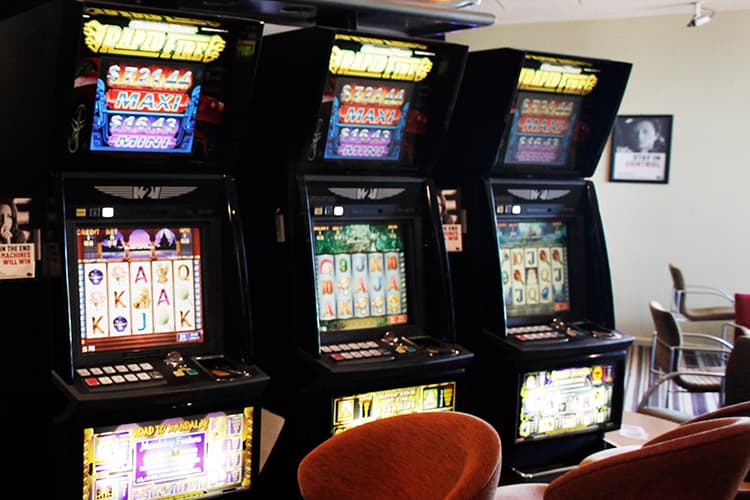
Photo: AAP Image/Paul Jeffers


Australians lose almost $13 billion to poker machines every year with analysis by the Australia Institute showing communities with an Indigenous population of 10% or more are home to a disproportionate number of the electronic gambling devices.
“Every dollar lost to gambling is a dollar taken from the mouths of our children, from their education, and their chance of a better future,” said Kristine Davis, CEO of the Cape York Institute for Policy and Leadership.
Areas of Australia with higher Indigenous populations have 50% more poker machines than other areas, with the research pointing out that while good quality essential services like health and education are scarce in regional and rural areas, “One thing these communities do not lack, however, is Electronic Gaming Machines (EGMs or pokies).”
Ms Davis said by “targeting regions already struggling with low income, high unemployment and poor services, the industry deepens inequality and further entrenches families and children in cycles of harm.”
In local government areas (LGAs) with higher Indigenous populations, the research shows there’s one poker machine for every 99 people, compared to one for every 148 people in other areas.
“Indigenous people are highly overrepresented among the numbers of problem gamblers and this is having far reaching consequences in terms of financial harm, relationship breakdown and violence, mental health, violence and even suicide,” said CEO of the Alliance for Gambling Reform, Martin Thomas.
Without better protections, advocates warn the industry could “undermine Closing the Gap efforts” and have urged State and Territory governments to better protect vulnerable communities.
“Governments themselves are addicted to gambling revenue,” said Ms Davis. “If they are serious about Closing the Gap, reducing suicide, incarceration, our life expectancy … they cannot allow powerful vice industries like gambling to profit from and contribute to such deaths of despair.”
The discussion paper notes it has been 17 years since the “Closing of the Gap” strategy was launched, but “only four of its 19 targets are on track”.
The areas with a concentration of poker machines also record greater losses, with people losing almost $700 per person, compared to “just” $581 in areas with less EGMs.
In Queensland, the disparity is even greater, with annual losses climbing to $897 per person in areas with high Indigenous populations.
Mt. Isa, in Queensland’s northwest, is the LGA with the most pokies per capita and has the highest losses per capita, at $1,927 a year.
However, the analysis points out not all areas are affected equally, as Western Australia restricts poker machines to a single casino in Perth.
The research comes off the back of gambling data released last month by the Australian Gambling Research Centre, which showed Australians lose $32 billion on legal forms of gambling every year.
More than two-thirds of people surveyed in the National Gambling Prevalence Study Pilot 2024 thought there are too many opportunities to gamble.
The survey reported 27% of First Nations people were at risk of experiencing gambling harm in 2024 – almost double the rate of non-Indigenous Australians.
Cape York Institute for Policy & Leadership is advocating for reform and has urged governments to condemn companies that are deliberating targeting vulnerable communities.
The Alliance for Gambling Reform is calling on States and Territories to implement a “mandatory carded play system” in which people must pre-set their losses before they play.
The Australia Institute discussion paper warned against victim blaming, which is “exacerbated when combined with racist tropes” and instead called for more scrutiny of an industry that makes a profit off some of Australia’s more vulnerable people.

