According to new research, if Australian workers were paid for the hours of overtime they currently do for free, they would be more than $300 a fortnight better off
Tue 18 Nov 2025 22.46 AEDT
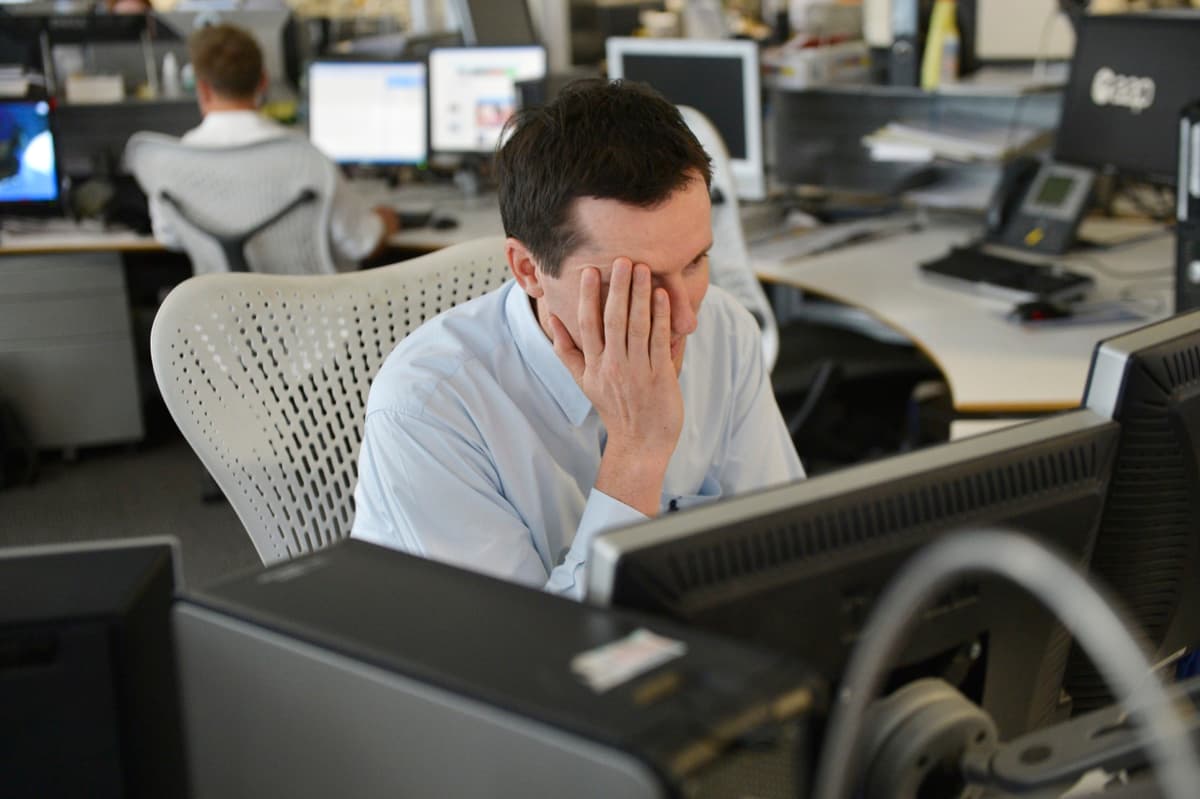
Photo: AAP Image/Tracey Nearmy


If Australian workers were paid for the hours of overtime they currently work for free, they would be more than $300 a fortnight better off, according to new research.
That would put an extra $8,000 a year into the bank account of the average Australian worker as the cost-of-living crisis drags on.
To mark the 17th year of Go Home on Time Day, the Australia Institute’s Centre for Future Work has released its latest data on unpaid overtime.
The report found that the average Australian worker did more than three and a half hours of extra work, for no extra pay.
And as full-time employees and their bosses adapt to new Right to Disconnect laws, the burden of unpaid overtime is falling more to part-time and casual workers.
That means the lowest paid workers in the Australian economy – part-time and casual employees aged 18 to 24 – are also those doing the most unpaid overtime, an average of 4.7 hours per week.
All up, Australian workers are being shortchanged $95.8 billion a year in lost wages.
The Director of the Centre for Future Work and author of the report, Fiona Macdonald, believes the right to disconnect is working – at least for full-time employees, as workers and bosses get used to the new laws.
Under the new laws, workers are legally entitled to refuse out-of-hours requests from their employers where it is reasonable to do so.
“It’s a good first step,” Ms Macdonald said.
“Australians have been giving their bosses so many free hours for so many years, we were never going to see the level of unpaid overtime suddenly plummet.”
But the same can’t be said for part-time and casual workers, who are now doing more hours of unpaid work than in previous years.
“This is the first time we have seen rates of unpaid overtime for part-time workers almost as high as full-time workers,” she said.
“The right to disconnect is less effective for part-time workers and casuals because they are simply not given enough paid hours to do their jobs.”
“Young people who are already on the lowest incomes are bearing the brunt of this trend towards squeezing part-timers.”
Advertisement

The 2025 Go Home on Time Day report also looked at the personal impact of unpaid overtime, with 42% of workers saying it made them physically tired and 37% saying they were left feeling mentally drained.
35% said they felt stress or anxiety; 31% said it impacted their personal lives; while 23% said they experienced disrupted sleep.
“The toll of unpaid overtime on workers and their families is both social and financial,” the report states.
“More must be done to address this problem and more must be done to ensure workers can attain fair and predictable working time schedules and have adequate and stable incomes from work.”
Ironically, the report also found that while so many Australian workers were doing so many unpaid hours, 30% said they wanted more paid hours, predominantly to deal with ongoing cost-of-living pressures.
“These preferences are expressed by many workers of all ages, in all forms of employment, and in all industries and occupations,” the report found.
The 2025 Go Home on Time Day report details the findings of a survey of 1001 employed Australians, conducted between the 5th and 11th of September 2025.
Advertisement

