The substantial surge is one of the largest spending revisions since the 2025-26 budget and May federal election.
“As this year of unprecedented floods, storms and more recently devastating bushfires has shown, it’s our communities on the frontline of climate impacts that are paying the real cost of climate change,” said Bushfire Survivors for Climate Action CEO Serena Joyner.
“Australians are tough, but it’s not fair that we are shouldering the escalating damage bill of rising climate disasters with little support.”
Polling commissioned by the Make Big Polluters Pay Alliance (MBPP) shows almost two-thirds of respondents agree that coal, oil and gas companies should pay for the damage caused by their climate pollution.
“The Treasurer must fix an unfair system where climate costs keep rising,” said Make Polluters Pay Australia Campaign Strategic Lead Julie-Anne Richards.
Three quarters of Australia’s coal, oil and gas corporations are responsible for three quarters of Australia’s climate pollution.
“While the average household insurance bill jumped 14 per cent last year, the industries driving climate change don’t pay for the damage they cause, pointed out Ms Richards.
“Meanwhile, everyday Australians face higher insurance, food and household bills and the growing costs of climate disasters.
“It’s time these corporations pay their fair share.”
According to the MBPP Alliance, climate disasters cost the economy $38 billion each year, equivalent to $3,800 per household on average.
Deloitte estimates the bill will exceed $73 billion annually by 2060, under a low emissions scenario.
“No matter what individuals believe about climate change, one thing is for sure, everyone’s insurance company believes in climate change, and in turn, the cost of insulating our houses, cars and businesses is already rising rapidly,” said the Australia Institute’s Co-CEO Richard Denniss.
The Australia Institute has been calling for aNational Climate Disaster Fund (NCDF) to be established – a dedicated, independently administered fund to meet the escalating costs of natural disasters due to global warming.
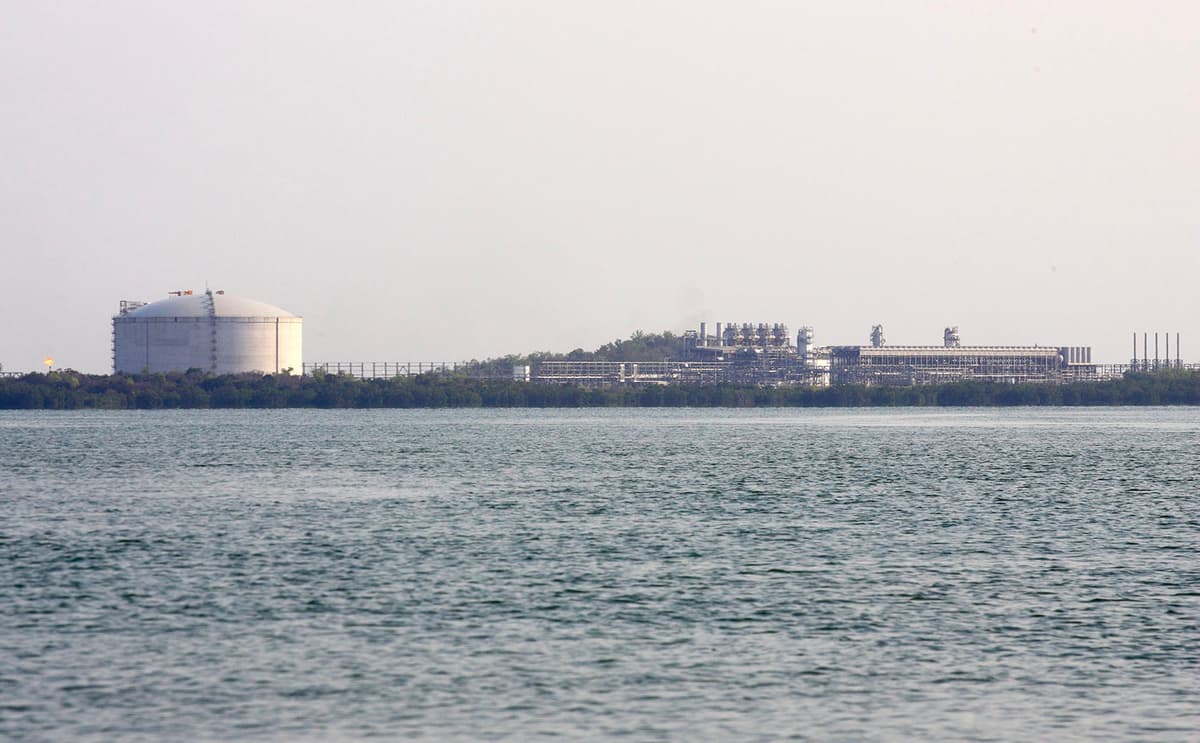
It would be funded through a levy of $1 per tonne of carbon dioxide for all coal, gas and oil produced in Australia and would raise around $1.5 billion per year at the current prices and levels of production.
“If our leaders were acting in our interests, they would not just be phasing out of fossil fuels but taxing the industry as it declines to help pay for the costs of the climate change that’s already locked in,” said Mr Denniss.
The Australia Institute’s research shows that, over the 10 years to 2023-24, Australian nurses paid $7 billion more in tax than did the oil and gas companies.
While nurses paid $52 billion, or an average of $5.2 billion per year, in tax, the oil and gas industry has paid $45 billion or on average $4.5 billion per year.
“If they keep acting in the interests of the foreign owned gas and coal companies then not only will they make climate change much worse, they will let the foreign companies keep exporting their profits while leaving Australians to pick up the enormous cost of the damage they have caused,” said Mr Denniss.
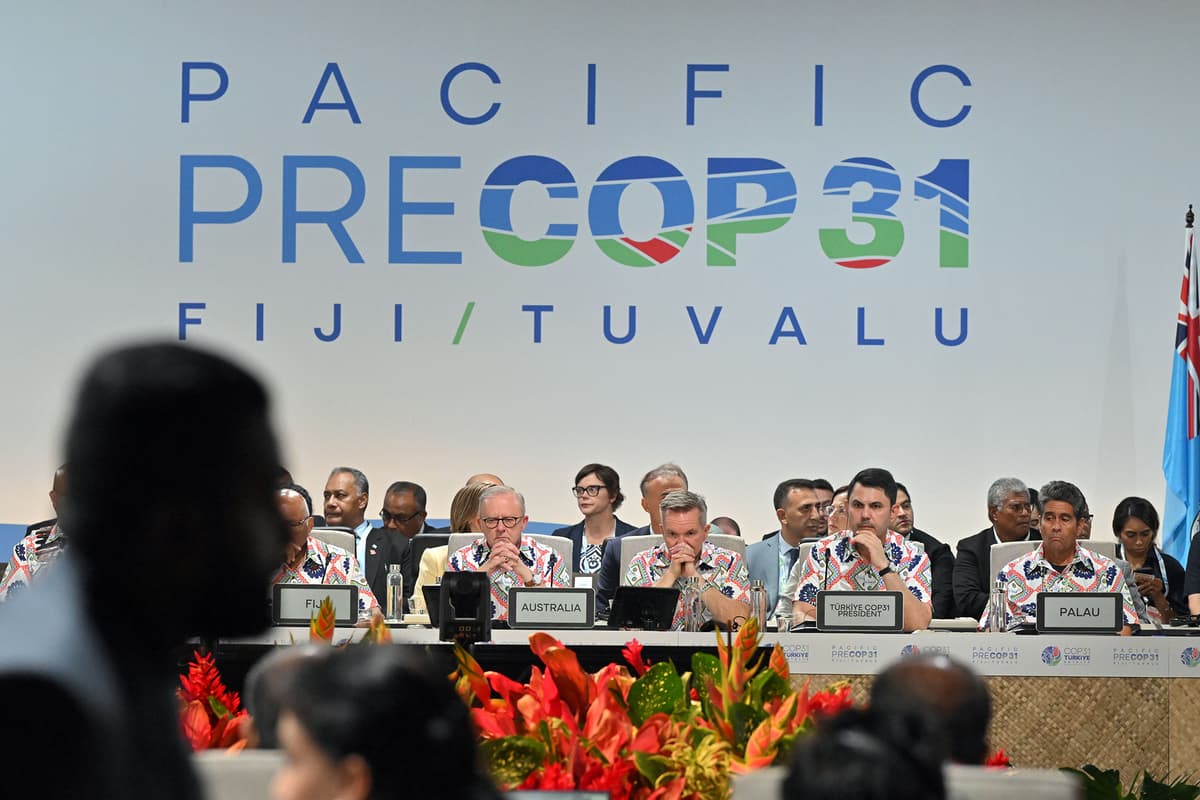
On Wednesday in Fiji, Pacific ministers said what Australian ministers have so far avoided saying. The region needs a plan to end its dependence on coal, oil and gas. At a high-level pre-COP31 side event in Nadi, Navigating the Pacific Energy Transition, ministers discussed their intention to develop a regional roadmap to transition away from fossil fuels.
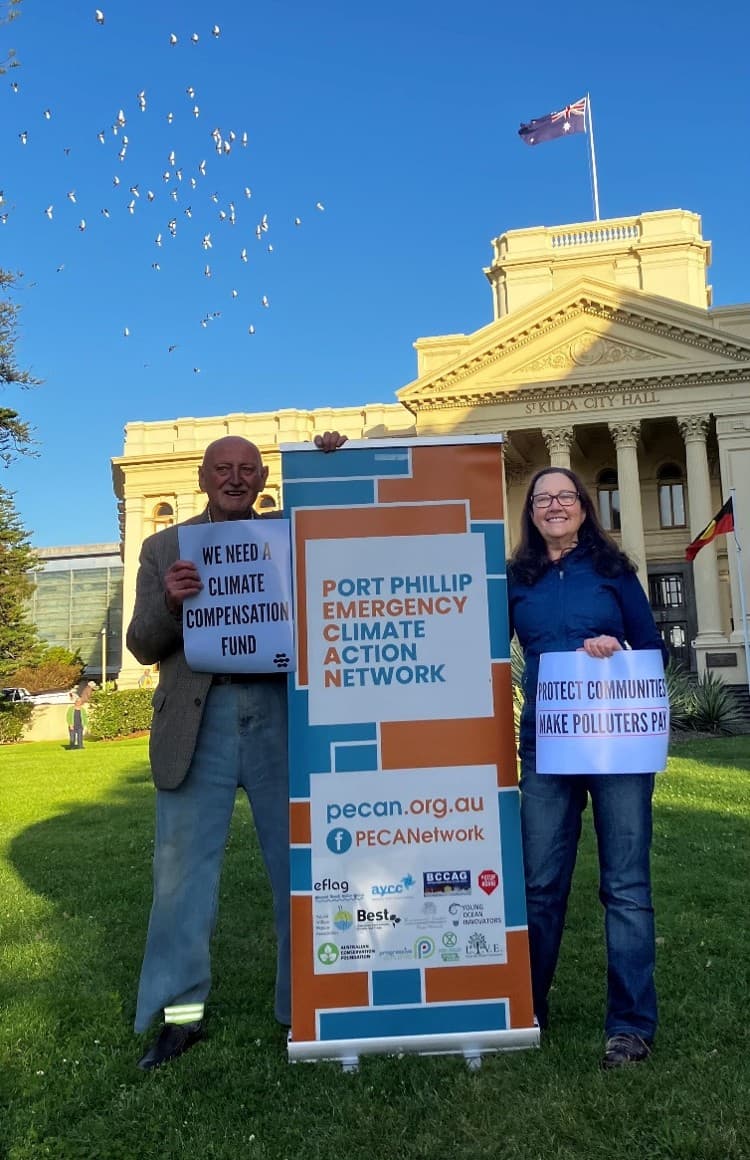
Port Phillip Council has unanimously passed a motion calling for the Federal Government to fund a National Climate Compensation Fund with a levy on gas and coal production. The inner-Melbourne local government area, which covers suburbs such as St Kilda, Elwood, South Melbourne and Port Melbourne, faces increased risk of flooding and coastal damage in the face of climate change.