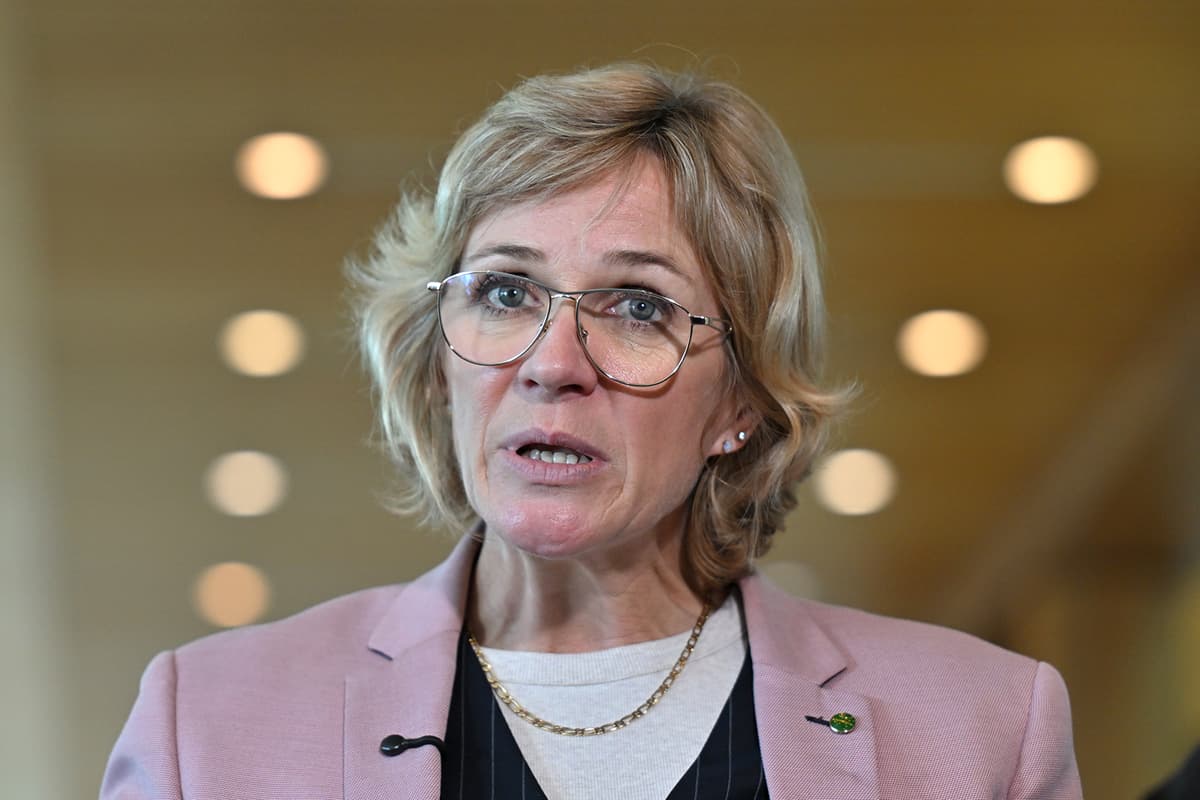
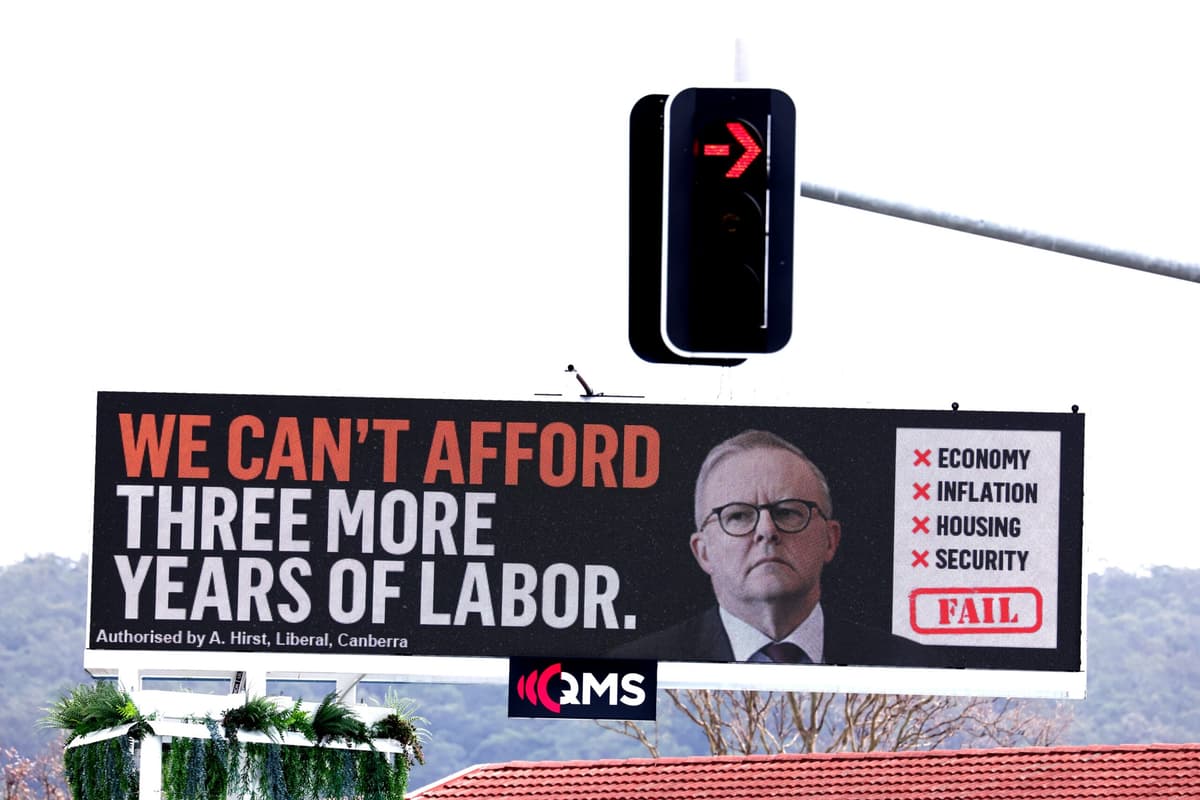
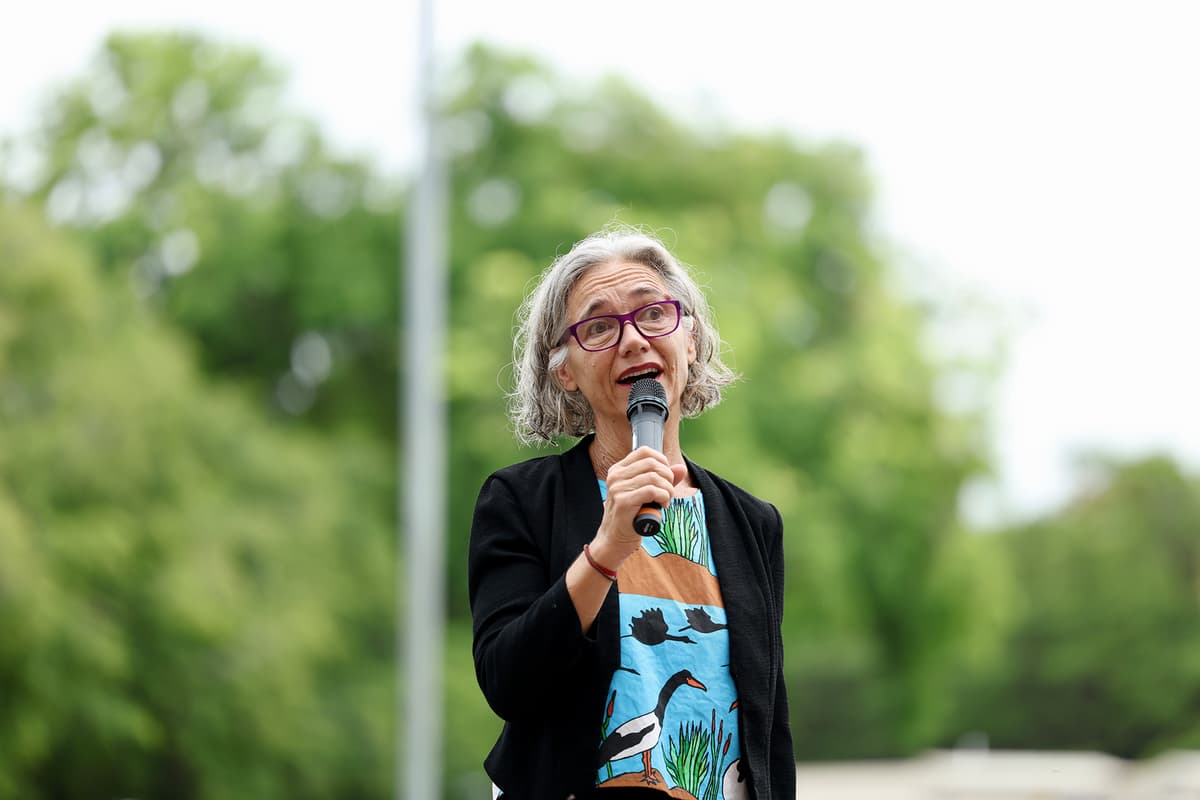
Independent MP Zali Steggall has launched a fresh push for truth in political advertising laws, warning that artificial intelligence and deepfakes pose a growing threat to Australia’s democracy.
Ms Steggall tabled her latest private member’s bill, arguing that political advertising “remains a free-for-all” and has become a “standards-free zone” that requires urgent attention.
The legislation builds on a series of truth-in-political-advertising bills Ms Steggall has introduced in parliament since 2021.
“As artificial intelligence becomes more powerful and accessible, the risks to our democracy are growing,” she said.
“Deepfakes and synthetic media can now be created quickly, cheaply and convincingly.
“Our electoral laws must keep pace.”
The bill features three new reforms, including the introduction of a new Independent Political Advertising Standards Board to strengthen oversight.
“It would have the power to order corrections, retractions or the removal of unlawful advertisements,” noted Ms Steggall.
“Non-complying ads would be subject to a financial penalty up to $300,000.”
Political advertising would also be subject to a formal code of conduct and AI-generated content would be required to display a prominent disclosure label.
“Australians expect honesty from the people asking for their vote,” Ms Steggall said.
“Yet in 2026, politicians can still publish misleading advertisements, fake endorsements and AI-generated content designed to deceive voters, without being held accountable.”
Research by the Australia Institute in April 2025 revealed almost nine out of 10 Australians (89%) support truth in political advertising laws.
It also found overwhelming and consistent support among Labor (93%), Coalition (88%), Greens (87%), One Nation (92%) and Independent/Other (79%) voters.
“Political advertisements that are deceptive and misleading interfere with the public’s ability to make informed decisions,” said Bill Browne, Director of The Australia Institute’s Democracy & Accountability Program.
“Without action, we risk election campaigns sliding into a free-fall of fake news.”
Polling, released by the Australian Democracy Network last week, showed 70 per cent of Australians want truth in political advertising laws.
It comes as pressure mounts on the NSW Government to introduce similar reforms ahead of next year’s state election.
“Truth in political advertising is vital to restoring public trust that has been greatly eroded,” said Michelle Millner, who has launched a petition backed by the Australia Institute.
“Without laws around this, our democracy is broken,” she said.
The petition needs 20,000 signatures from NSW residents to trigger a parliamentary debate in the Legislative Assembly.
Advocates have pointed to South Australia, where inaccurate and misleading political advertising has been regulated for four decades.
“Truth in political advertising laws have transformed campaigning in South Australia, leading political party directors to scrutinise all political ads for accuracy,” said Mr Browne.
“Trust in politics is already low. Allowing politicians to knowingly spread falsehoods during election campaigns is indefensible.”
Ms Steggall said it wasn’t about stopping robust debate, satire or criticism, but rather false statements of fact and deceptive impersonation that could mislead voters.
“We have longstanding consumer protections to protect people from being scammed out of their money by misleading and deceptive advertising for goods and services,” she said.
“Yet we continue to allow voters to be scammed by misleading and deceptive political advertising.”
Seconding the bill, independent MP Nicolette Boele said Australians shouldn’t tolerate a political system where misleading ads carry no consequences.
“We need to inoculate our political process and our democracy from these risks, and it’s shocking that as a politician, I could run ads tomorrow that have no bearing to the truth and face next to no consequences,” she told parliament.
“It just doesn’t make sense.”