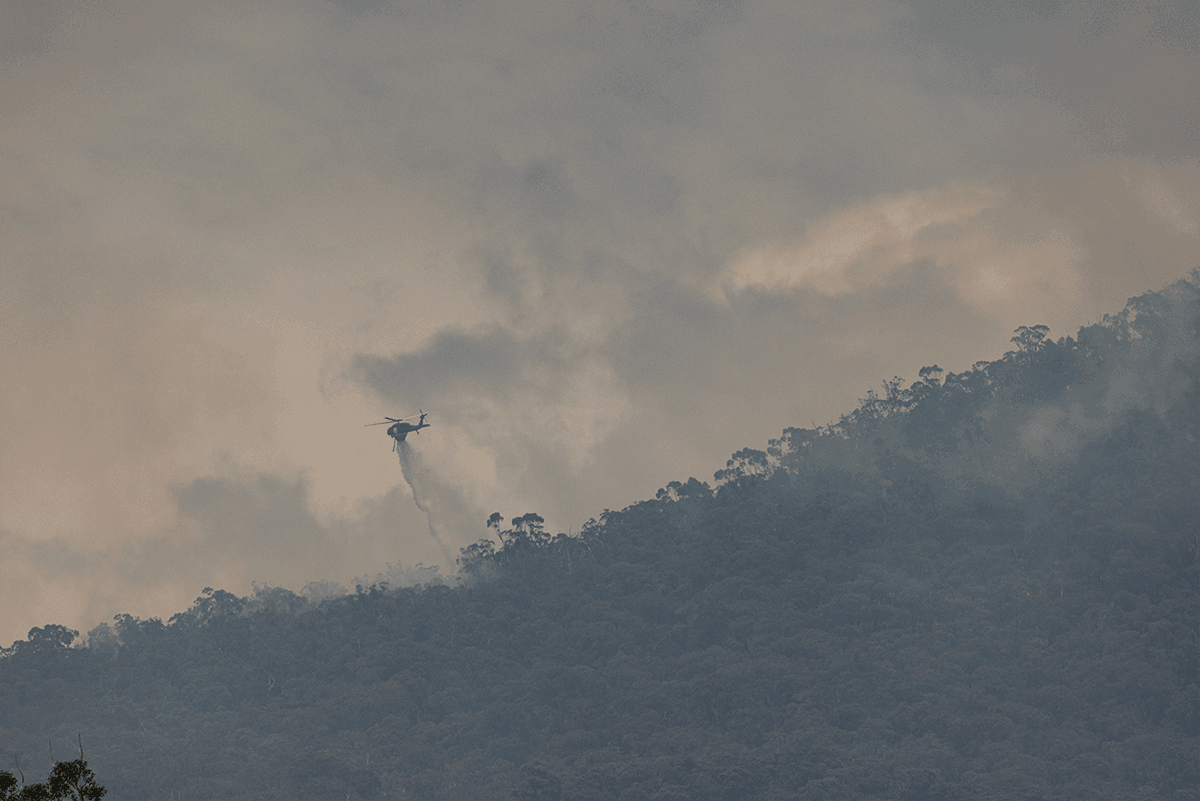
Some of Australia’s former fire and emergency chiefs have issued a dire warning as wildfires burn across Europe, North America, and Africa, urging the Albanese government to stop approving fossil fuel projects to rapidly reduce emissions.
Emergency Leaders for Climate Action (ELCA) said countries that hadn’t been considered fire-prone in the past, such as Canada, Norway and the UK, are now dealing with regular emergencies, as traditional fire seasons become a “thing of the past”.
“I’ve spent over 50 years fighting fires, and I’ve watched this threat change beyond recognition,” said former Commissioner of Fire & Rescue NSW Greg Mullins.
“The fire seasons start earlier, burn hotter and run longer, because climate pollution from coal, oil and gas is heating the planet.”
A study by an international team of scientists, including researchers from the CSIRO, found extreme fire weather days increased in Australia by 56 per cent over the last four decades, with fire seasons growing by at least 27 days (a 20 per cent increase).
The ELCA says countries are losing their ability to help each other as they battle threats in their own backyards.
There are currently fire emergencies developing across six countries and three continents, with Europe forced to draw aircraft and crews from more than half a dozen countries just to fight fires in Spain and France.
“Fire seasons used to be sequential — the northern hemisphere’s summer, then the southern — which meant countries could send firefighters, aircraft and equipment to help each other when it mattered most,” they said.
“That safety net is disappearing.
“When everywhere is burning at once, no one is left to come to anyone’s aid.”
Australia’s 2019-20 Black Summer disaster was one of the most catastrophic fire seasons in its history, killing 33 people directly, with an additional 417 deaths attributed to smoke inhalation.
Mr Mullins said that “in the six years since, we’ve added more pollution to the problem”.
“Governments that keep approving new coal, oil and gas projects are raising the risk of even worse fire disasters,” he said.
A report by the Australia Institute found between 2022 and 2023, the average home insurance premium in Australia rose by 14 per cent, the biggest rise in a decade.
In 2022, Australians claimed more than $7 billion on their home insurance – almost double the previous record – after a string of major floods across the east of the country.
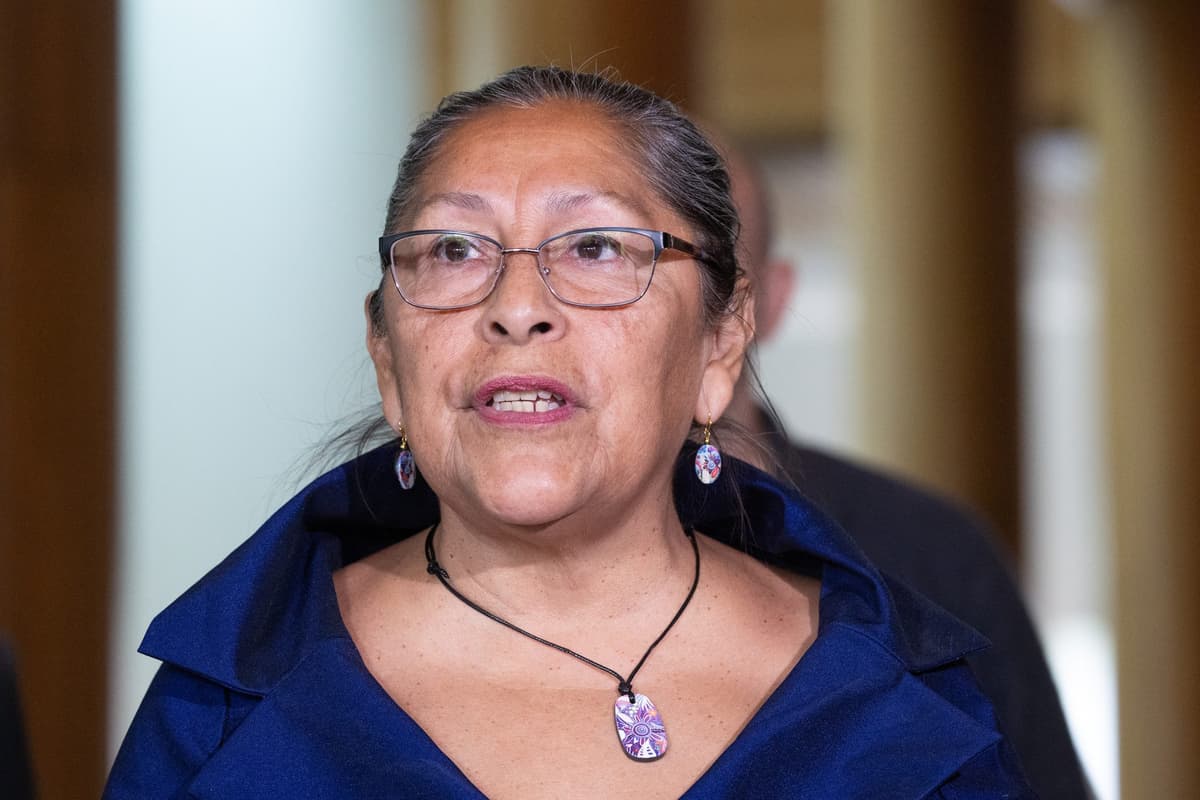
“Politicians can choose to debate climate change, but insurance companies know it is real and are showing it through rising premiums,” said the Australia Institute’s Head of Fossil Fuel Transition Louise Morris.
“Insurers price risk for a living, and they are already pricing in a hotter, more fire-prone Australia.”
The former fire chiefs argue the wild swings in weather are also robbing Australia of a key mitigation tool – hazard reduction burning.
“The Black Summer bushfires were extinguished by intense rainfall, and people then suffered through three years of record floods,” they said.
“This has become a pattern worldwide referred to as ‘climate whiplash’.”
The Climate Council says the Albanese government has approved at least 36 new, expanded or extended fossil fuel projects since coming to power in 2022.
Ms Morris said Canberra needed to listen to those who had spent their careers on the frontline.
“These are people who have spent their careers running towards fires, not away from them, and they are telling us clearly that the danger is growing because we keep adding fossil fuels to it,” she said.
“Every bit of coal, oil and gas we burn comes back to us as worse fire weather, longer drought seasons, more intense storms.”
Ms Morris said the first and easiest step would be to “stop making it worse” by halting approvals for new and expanded coal and gas projects.
“It also means fixing a broken offsets system that lets fossil fuel companies keep expanding pollution while claiming to be part of the solution, buying up unlimited carbon credits instead of cutting emissions at the source,” she said.
“We cannot keep exporting the crisis and importing the consequences, and we cannot keep asking insurers, homeowners and volunteer firefighters to absorb the cost of decisions made in fossil fuel company boardrooms and ministerial offices.”
The ELCA said governments, at home and abroad, could not continue maintaining the status quo.
“The politicisation of climate change is unbelievable to those of us who are laser-focused on public safety and know the ultimate cost of denying we are in a climate crisis,” the group said, warning that Australians need to be “on high alert for what’s to come”.
“The strongest El Niño ever recorded, arriving on top of climate change, is a very dangerous combination,” they said.
“It could signal drier, hotter conditions like those fuelling the northern hemisphere’s fires, not just this summer but also in 2027-2028.”
They said the Black Summer disaster wasn’t “just a bad year. It’s our new reality”.
“Firefighters will continue to do everything they possibly can to protect life, property and the environment from bushfires intensified by climate change, and as we’ve seen, some will pay the ultimate sacrifice – a price that we say is far too much.
“Governments must do their bit: stop approving and expanding coal, oil and gas projects and rapidly cut climate pollution.”