The Albanese government is being urged to grant work and study rights to nearly 15,000 people seeking asylum to help address workforce shortages in industries such as healthcare, construction and early childhood education.
By Tegan George
Tue 28 Jul 2026 09.55 AEST
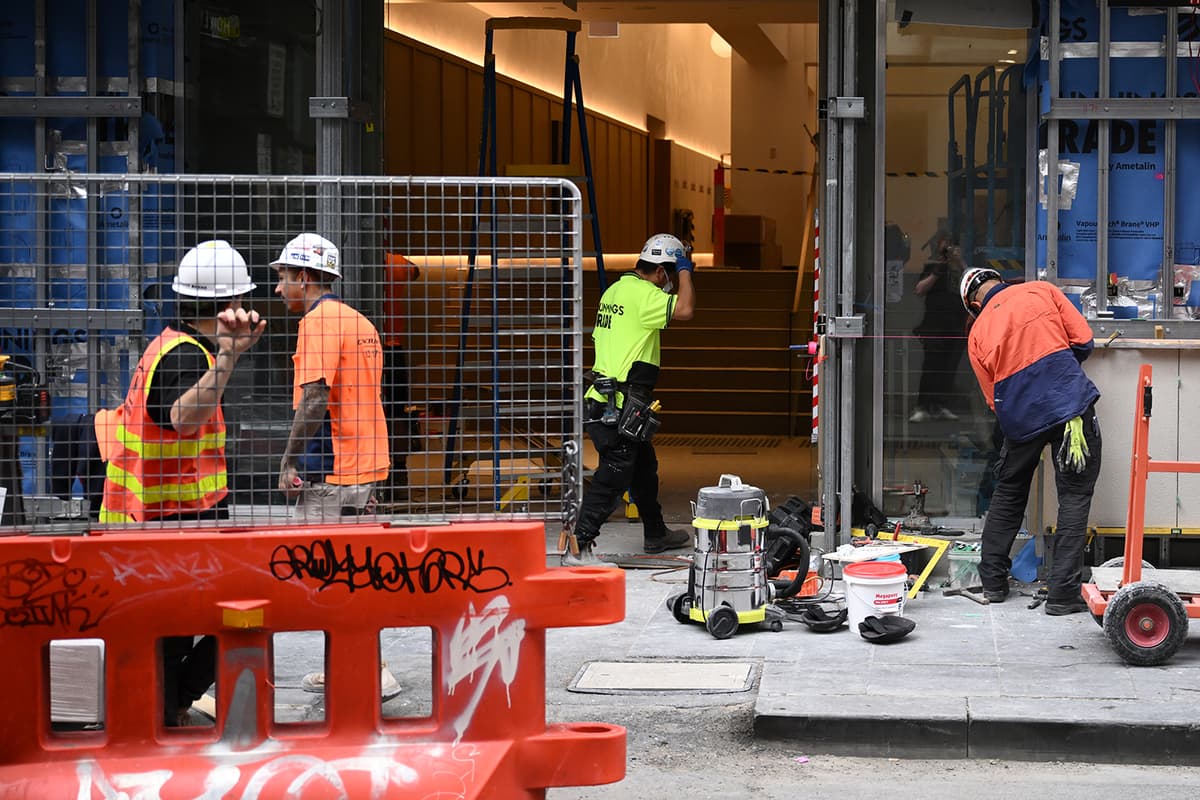
Photo: AAP Image/Joel Carrett


The Albanese government is being urged to grant work and study rights to nearly 15,000 people seeking asylum to help address workforce shortages in industries such as healthcare, construction and early childhood education.
The Asylum Seeker Resource Centre (ASRC) said Australia was overlooking a pool of skilled workers ready to fill critical labour shortages.
It estimates around 15,000 people seeking asylum are currently unable to work because of visa restrictions or while waiting for a further bridging visa to be granted.
“It’s unnecessarily cruel when people are already here in our communities to lock them out of the workforce,” said ASRC deputy chief executive Jana Favero.
An ageing population, rising disability support needs and workforce burnout are driving significant workforce shortages in healthcare.
Jobs and Skills Australia have identified shortages of GPs, radiographers, psychiatrists, psychologists, oncologists, dentists and other medical practitioners across every state and territory.
“Allowing people to work to support themselves and their families is not only the compassionate thing to do, it also unlocks huge economic potential,” said Ms Favero.
Café owner Arian Rezaei knows the impact of the visa restrictions firsthand.
He arrived in Australia at 21 and says he spent “some of the best years of my life without work rights”.
“I know how hard and unfair it is,” he said.
“Work is not only about money. It gives people dignity, independence, confidence and hope.
“Today, I employ and support refugees, and I see how having the opportunity to work can help someone rebuild their life and feel part of the community.”
According to Jobs and Skills Australia, childcare, early childhood education, aged care and disability care are also among the sectors facing shortages in every state and territory.
Its Occupation Shortage Report, released in March 2026, found the national vacancy fill rate had fallen to 68.2 per cent, with declines across all skill-level occupation groups.
Shortages of electricians, joiners, plumbers and mechanics were also recorded across the country.
“Forcing people seeking asylum into poverty while they wait for decisions helps nobody,” said James Miranda, policy officer at the Electrical Trades Union (ETU) NSW & ACT branch.
“We should be creating pathways into skilled long-term careers for people to support themselves, their families and their communities.”
He said for many, a trade “isn’t just a job”.
“It’s a pathway to home ownership, financial stability and a better life for the next generation.
“People seeking asylum who want to contribute, work hard and build a future here should have the opportunity to pursue those same outcomes.”
Both the ETU and IKEA Australia say they’ve found that as soon as people can work, they become a huge asset to their employer and their industry.
Over the past six years, IKEA Australia & New Zealand has supported 280 participants through its Refugee Workforce Inclusion Program.
“At a time when many retailers continue to face labour shortages, refugees and people seeking asylum represent a highly capable and often overlooked talent pool,” said Lauren Sinfield, Public Affairs and Advocacy Leader at IKEA Australia & New Zealand.
“Too many people arrive in Australia with valuable skills, experience and a strong desire to contribute, yet face barriers to meaningful employment.”
The ASRC is calling on the Albanese government to allow people seeking asylum to work and study at all stages of the protection process – a change that can be made without new legislation.
The organisation said the change would also reduce the number of people relying on charities for food, housing and other essentials while they wait years for decisions on their claims.
“It’s clear that both business and the unions want this to happen,” said Ms Favero.
“The only barrier is Labor themselves.”
Advertisement